
Bronze Valve Manufacturer in Germany
Bronze valves are used for flow isolation, regulation and reverse-flow protection in water, steam, air, marine and industrial utility systems. Copper-based bronze alloys provide good corrosion resistance, machinability and resistance to wear, making them suitable for small- and medium-size valves operating under moderate pressure and temperature conditions.
Bronze Valve Construction for Water and Steam:
Bronze valve bodies are commonly cast or machined from copper based alloys selected for corrosion resistance and dimensional stability.
Typical construction can include:
- Bronze body and bonnet
- Bronze or stainless-steel stem
- Bronze disc, gate or seat ring
- PTFE or elastomeric sealing components
- Metal-to-metal seating for suitable steam service
- Threaded, flanged or soldered connections depending on design
Bronze valves are commonly used in water and low-to-medium pressure steam services where carbon steel may experience corrosion and where the operating conditions do not require higher-alloy valve materials.
Tin Bronze and Silicon Bronze Materials:
Different bronze compositions provide different mechanical and corrosion properties.
- Tin Bronze: Copper tin alloy with good corrosion and wear resistance grades such as C83600 are used for general valve components.
- Gunmetal: Copper tin zinc alloy commonly used for water, steam and marine valve bodies and fittings.
- Silicon Bronze: Copper silicon alloy offering corrosion resistance and good mechanical properties for marine and industrial service.
- Material Selection: Bronze grade should be identified by the applicable ASTM, EN, UNS or project specification.
Valve Types and Operating Functions:
- Bronze Ball Valve: Quarter-turn isolation with low flow resistance.
- Bronze Gate Valve: On/off isolation with minimal pressure loss when fully open.
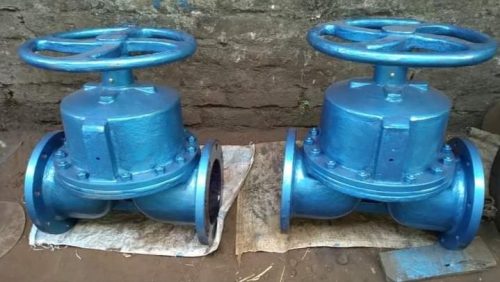
- Bronze Globe Valve: Suitable for isolation and controlled throttling.
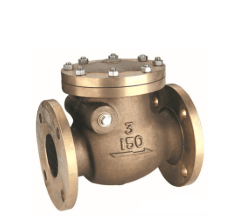
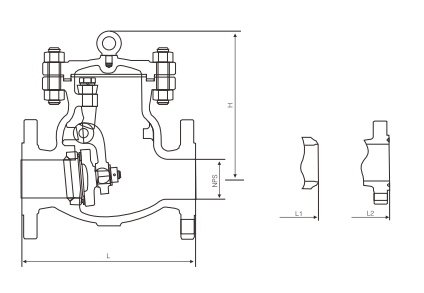
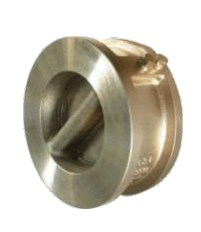
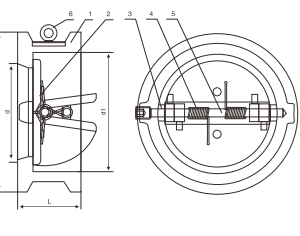
- Bronze Check Valve: Prevents reverse flow automatically.
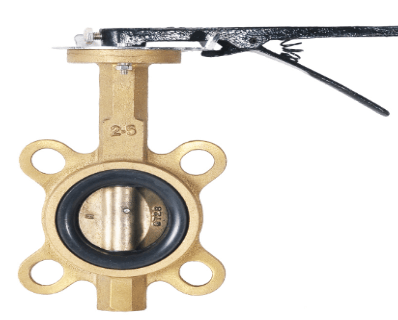
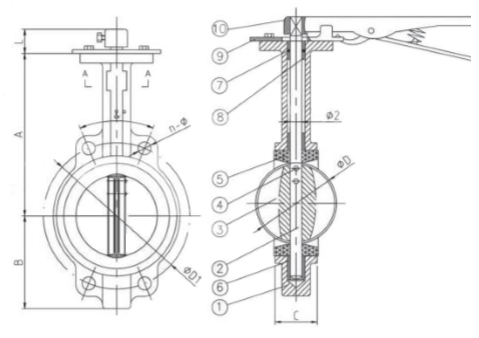
- Bronze Butterfly Valve: Compact quarter-turn isolation or regulation for water and marine service.
Technical Specifications:
| Parameter | Typical Specification |
| Valve Types | Ball, Butterfly, Check, Gate, Globe |
| Size Range | DN15–DN300 depending on valve type |
| Pressure Rating | PN10–PN25 / Class 125–300 depending on design |
| Body Materials | Tin Bronze, Composition Bronze, Gunmetal, Silicon Bronze |
| Common Cast Grade | C83600 or project-specific bronze grade where applicable |
| Trim Materials | Bronze, Stainless Steel, Brass or compatible copper alloy |
| Seat Options | Bronze/Metal Seat, PTFE, EPDM, NBR depending on valve |
| End Connections | BSP/NPT Threaded, Flanged, Solder/Sweat; other connections design-dependent |
| Operation | Lever, Handwheel, Gear or actuator depending on valve type |
| Temperature Range | Approximately -20°C to +225°C depending on alloy and sealing materials |
| Applicable Standard | MSS SP-80 for applicable bronze gate, globe and check valves valve type specific standards for other designs |
| Testing | EN 12266-1, MSS SP-80 or applicable project requirement |
Corrosion and Wear Performance:
Bronze alloys perform well in many water and utility environments because their copper-rich composition provides resistance to atmospheric and aqueous corrosion.
Their suitability can be influenced by:
- Water chemistry
- Dissolved oxygen
- Temperature
- Fluid velocity
- Chlorides
- Ammonia
- Sulphides
- Galvanic coupling
- Stagnant conditions
Bronze also provides useful resistance to adhesive wear and galling in moving valve components.
However, corrosion resistance varies significantly between bronze grades. Leaded composition bronze, tin bronze, silicon bronze and aluminium bronze should not be treated as interchangeable materials. For potable water systems, the exact alloy composition and applicable national drinking water requirements should also be reviewed.
Marine and Utility Applications:
Bronze valves are commonly installed in:
- Industrial water systems
- Steam and condensate piping
- Compressed air systems
- Fire protection networks
- Shipboard utility lines
- Bilge and ballast systems
- Cooling water systems
- Lubricating oil systems where compatible
- Pump installations
- Power generation auxiliaries
- Building utility systems
- General process water lines
Gate and ball valves are primarily used for isolation, globe valves for regulation, check valves for reverse flow protection and butterfly valves for compact isolation in suitable larger piping.
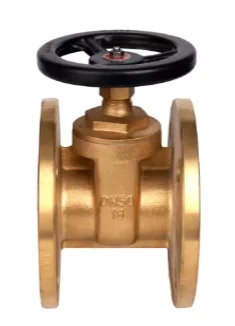
Bronze Flanged Gate Valve
Price range: €28.00 through €1,410.00
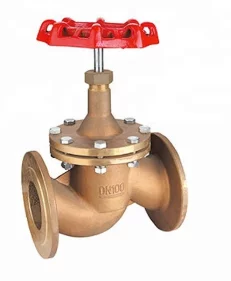
BRONZE FLANGED GLOBE VALVE
Price range: €57.00 through €765.00
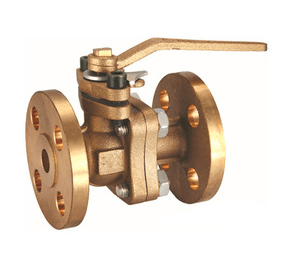
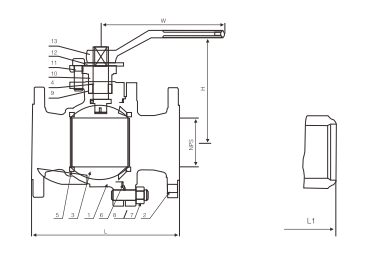
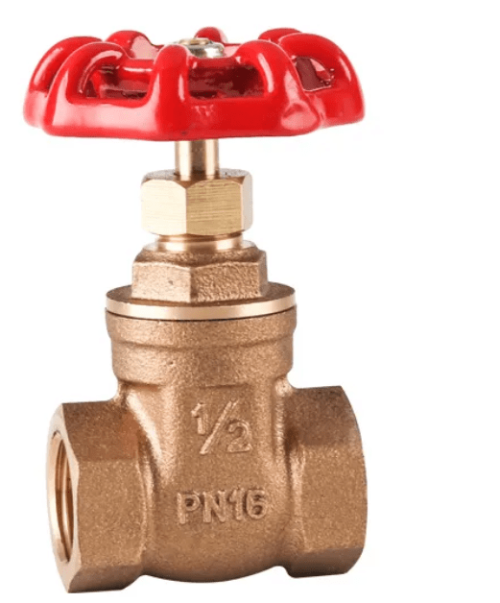
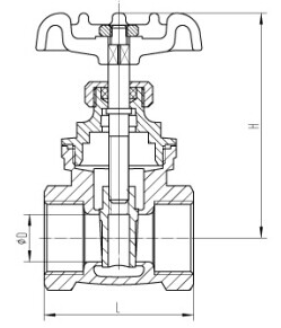
BRONZE GATE VALVE
Price range: €8.00 through €249.00
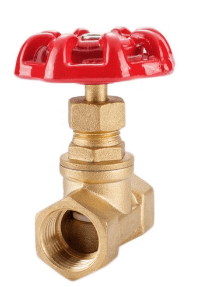
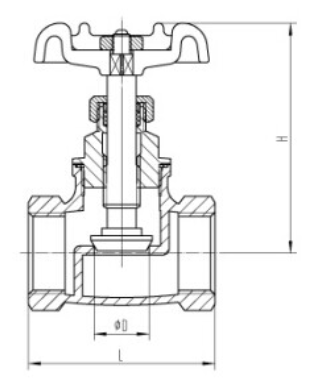
BRONZE GLOBE VALVE
Price range: €10.00 through €344.00