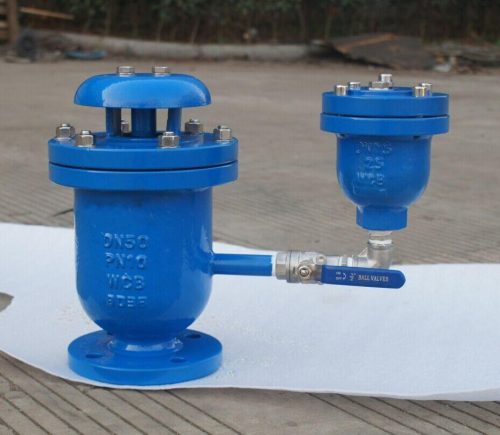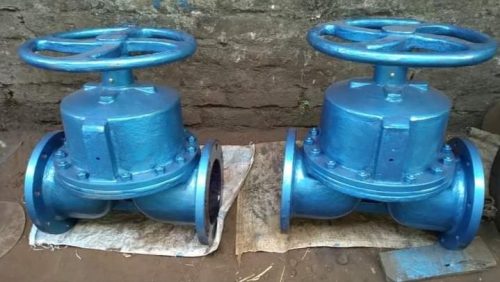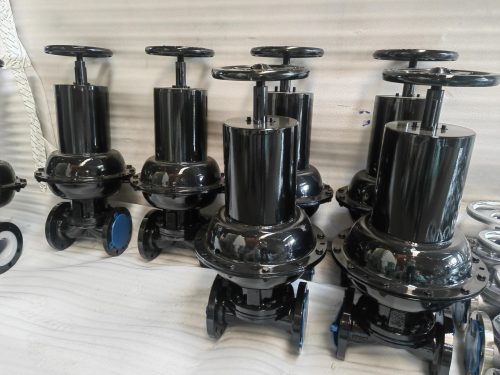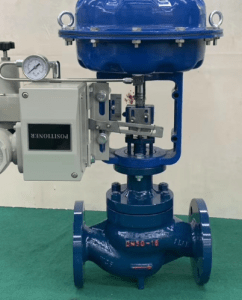

Pressure Reducing Valve Manufacturer in Germany
Pressure reducing valves maintain a controlled downstream pressure when the upstream pressure is higher or varies during operation. The valve automatically adjusts its opening according to the downstream pressure condition, protecting piping, instruments and connected equipment from excessive pressure while maintaining the required supply pressure.
Downstream Pressure Regulation:
- A pressure reducing valve senses pressure on the downstream side and changes the valve opening to maintain the selected set pressure.
- When downstream pressure falls below the set point, the valve opens further to increase flow. When downstream pressure rises, the regulating element moves toward the closed position and reduces the flow area. This continuous balancing action allows the valve to compensate for changes in upstream pressure and system demand without requiring continuous external control.
- Stable regulation depends on correct valve sizing and sufficient differential pressure across the valve.
Direct Acting and Pilot Operated Pressure Reducing Valve Designs:
The operating mechanism determines the pressure control accuracy, flow capacity and response behaviour.
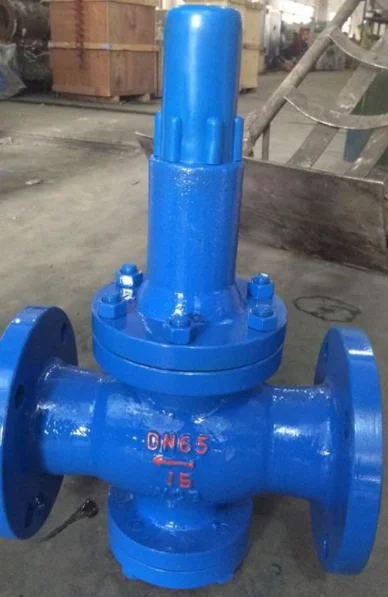
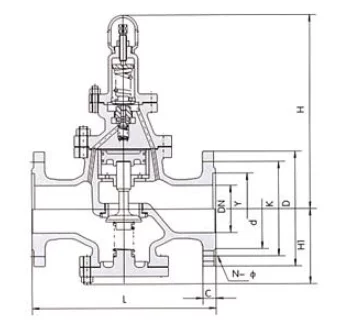
- Direct Acting Pressure Reducing Valve – Uses a spring loaded diaphragm or piston to regulate downstream pressure directly, suitable for moderate flow and compact installations.
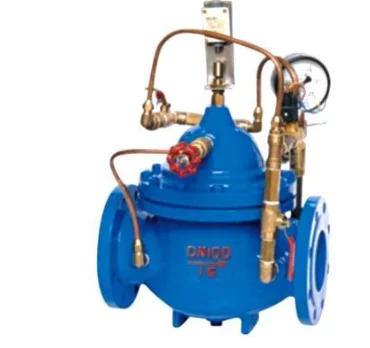
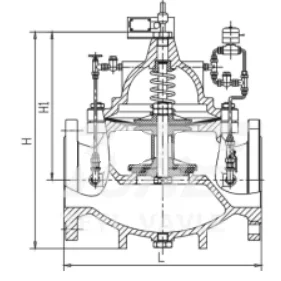
- Pilot Operated Pressure Reducing Valve – Uses a pilot regulator to control the main valve, providing stable downstream pressure for higher flow and varying demand.
Steam, Water and Gas Service Configurations:
Pressure reducing valve construction should match the characteristics of the service fluid.
Steam Service
Consider inlet/outlet pressure, steam temperature, flow rate and suitable trim to control erosion.
Water Service
Used in water networks and pumping systems; cavitation should be checked for high pressure drops.
Gas and Compressed Air Service
Sizing should consider pressure range, gas density, compressibility and required flow capacity.
Pressure Adjustment and Response Behaviour:
Downstream pressure is normally adjusted through spring compression or the pilot set-pressure mechanism.
Important control characteristics include:
- Set pressure
- Droop or pressure offset
- Minimum controllable flow
- Maximum flow capacity
- Response to sudden demand changes
- Minimum differential pressure
- Pressure recovery
- Shut off behaviour
Technical Specifications
| Parameter | Typical Specification |
| Size Range | DN15–DN300 depending on design |
| Valve Designs | Direct Acting, Pilot Operated |
| Common Pressure Ratings | PN16, PN25, PN40 other ratings according to design |
| Body Materials | Cast Iron, Ductile Iron, Carbon Steel, Stainless Steel, Bronze for selected designs |
| Trim Materials | Stainless Steel, Bronze or corrosion resistant trim depending on service |
| Diaphragm Materials | NBR, EPDM, PTFE-faced elastomer depending on fluid |
| Seal Materials | NBR, EPDM, FKM or suitable service specific elastomers |
| End Connections | Flanged, Threaded, other connections according to configuration |
| Flange Standards | EN 1092-1 / EN 1092-2, ASME B16.5 where specified |
| Pressure Testing | EN 12266-1 or applicable project requirement |
| European Compliance | PED 2014/68/EU where applicable |
| Controlled Media | Water, Steam, Air, Gas and compatible process fluids |
Either use one in category and the other in product , cannot indicate material twice in just category
Pressure Ratio and Sizing Considerations:
Pressure reducing valve sizing requires the complete operating range rather than a single design point.
Important data includes:
- Minimum, normal and maximum flow rate
- Maximum and minimum inlet pressure
- Required downstream pressure
- Operating temperature
- Fluid density
- Steam condition where applicable
- Required Kv or Cv
- Available pressure differential
- Required turndown
- Maximum permissible velocity
Large pressure reduction ratios can produce high velocity, noise, flashing or cavitation depending on the fluid.
For liquid service, cavitation should be evaluated when downstream pressure approaches the vapour pressure of the fluid. High pressure ratios may require staged pressure reduction or another suitable control arrangement.
Process and Utility Applications:
Pressure reducing valves are used where equipment or downstream piping operates at a lower pressure than the main supply system.
Typical services include:
- Steam distribution
- Boiler auxiliary steam lines
- Compressed air networks
- Nitrogen and utility gas systems
- Process water networks
- Water distribution
- Pumping systems
- Chemical process utilities
- Marine utility piping
- Industrial heating systems
Correct pressure reducing valve selection should therefore be based on the complete inlet pressure range, required outlet pressure, flow demand, temperature and fluid characteristics to maintain stable regulation across the intended operating conditions.
Custom Pressure Reducing valve Options
Pressure reducing valves can be selected according to inlet pressure, required downstream pressure and process medium.
- Direct acting or pilot operated design
- Adjustable downstream pressure range
- Body, trim and diaphragm material selection
- Steam, water, air or gas configuration
- Flanged or threaded connections
- Pressure gauges, strainers and pilot accessories where required
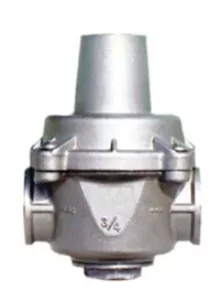
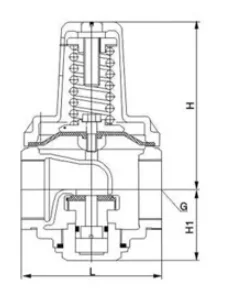
Direct Acting Pressure Reducing Valve
Price range: €1,030.00 through €2,087.00
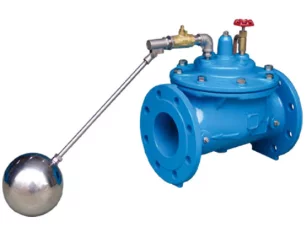
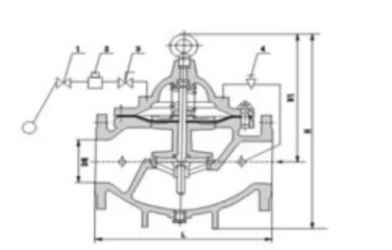
Float Control Valve
Price range: €301.00 through €1,933.00
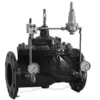
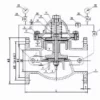
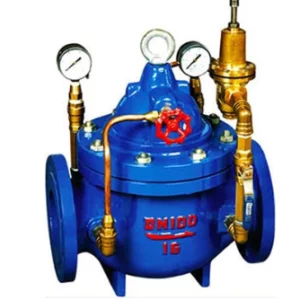
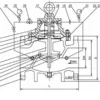
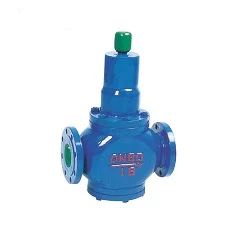
Pressure Reducing Valve
Price range: €238.32 through €334.29
Pressure Relief Valve
Price range: €347.00 through €2,101.00
Steam Pressure Reducing Valve
Price range: €260.60 through €674.90
Water Pressure Reducing Valve
Price range: €348.00 through €1,767.00