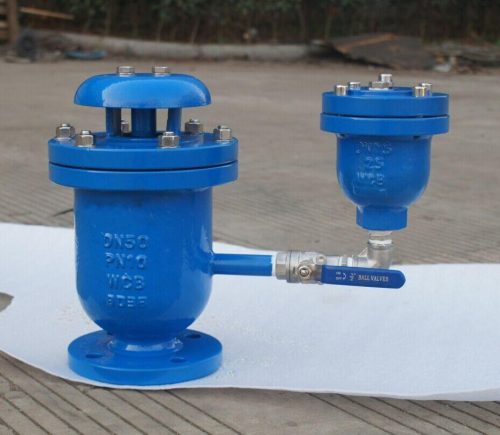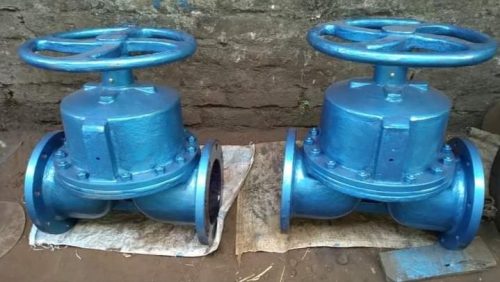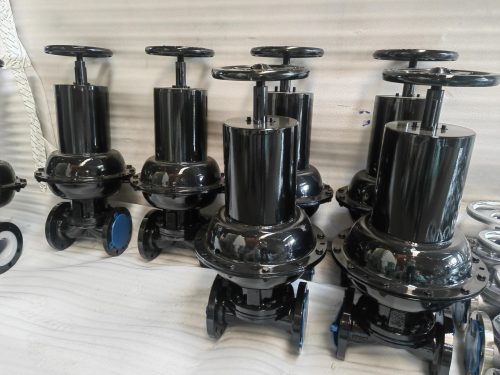

Incoloy Valve Manufacturer in Germany
Incoloy valves are used in high temperature and corrosive process systems where conventional stainless steels may not provide sufficient resistance to oxidation, acid attack or elevated temperature degradation. Incoloy is a family of nickel iron chromium alloys developed for specific combinations of heat resistance, mechanical strength and corrosion performance.
Incoloy Valve Construction for Heat and Corrosion
Incoloy valve construction is selected where the operating environment requires a combination of elevated-temperature strength and corrosion resistance.
The alloy family is not a single material. Different grades are intended for different operating conditions.
Valve components can include:
- Incoloy pressure containing body and bonnet
- Incoloy ball, gate or globe trim
- Compatible stem material
- Corrosion resistant seat rings
- High temperature packing
- Soft or metal seats according to service
Material selection should be based on the specific Incoloy grade rather than referring to the entire family as having one universal temperature or corrosion limit.
Grade Selection by Service Condition:
The correct Incoloy grade depends on the primary degradation mechanism.
High-Temperature Oxidation
800-series alloys can be considered where oxidation resistance and thermal stability are important.
Creep and Long-Term Thermal Exposure
800H and 800HT are more appropriate than standard 800 where long-term elevated-temperature mechanical strength is required.
Corrosive Chemical Service
825 is more suitable where the process contains corrosive acids, chlorides or reducing media within the alloy’s compatibility range.
Important selection factors include:
- Maximum metal temperature
- Pressure
- Process chemistry
- Sulfur compounds
- Chlorides
- Oxidizing or reducing conditions
- Thermal cycling
- Required design life
Technical Specifications:
| Parameter | Typical Specification |
| Common Grades | Incoloy 800, 800H, 800HT, 825 |
| Valve Types | Ball, Gate, Globe; other designs project dependent |
| Size Range | DN15–DN300 depending on valve design |
| Pressure Rating | PN10–PN100 / ASME Class 150–600 in typical configurations; higher ratings design-dependent |
| Body Material | Grade-specific Incoloy alloy |
| Trim | Incoloy, Stainless Steel or compatible special alloy |
| Seats | PTFE, RPTFE, PEEK, Graphite or Metal depending on service |
| Packing | PTFE, Graphite or high-temperature packing |
| End Connections | Flanged, Butt Weld, Socket Weld, Threaded |
| Operation | Manual, Gear, Pneumatic or Electric |
| Testing | EN 12266-1 / API 598 where applicable |
| Design Standards | ASME B16.34 or valve specific EN/API standards where applicable |
Oxidation and Corrosion Resistance:
- Nickel and Chromium: Support oxidation and corrosion resistance across Incoloy grades.
- 800-Series Grades: Form protective oxide scales for resistance to oxidation and carburization at elevated temperatures.
- Typical 800-Series Uses: Furnace systems, heat treatment equipment, high temperature piping and thermal equipment.
- Incoloy 825: Molybdenum improves pitting resistance, while copper supports resistance in selected reducing acid environments.
- Typical 825 Uses: Sulfuric acid, phosphoric acid, chemical processing, offshore and suitable sour service applications.
- Selection Note: Corrosion resistance varies by grade, temperature and process medium.
Pressure Temperature Considerations:
The maximum usable temperature of an Incoloy valve is controlled by more than the alloy’s metallurgical capability.
Factors include:
- Allowable stress of the selected material grade
- Pressure class
- Valve body thickness
- Seat material
- Stem packing
- Gasket construction
- Thermal expansion
- Frequency of cycling
A metal-seated valve with graphite packing may operate at considerably higher temperature than a similar Incoloy valve using PTFE seats.
High Temperature Process Applications:
Incoloy valves are used in process systems where high temperature, corrosion or both influence material selection.
Typical applications include:
- Petrochemical plants
- Furnace systems
- Heat treatment plants
- Chemical processing
- Power generation systems
- Steam and high temperature utilities
- Acid processing equipment
- Sulfuric acid service using suitable 825 configurations
- Offshore processing
- High temperature reactor systems
800H and 800HT are particularly relevant where creep strength at elevated temperature is important, while 825 is more commonly selected where chemical corrosion is the dominant concern.
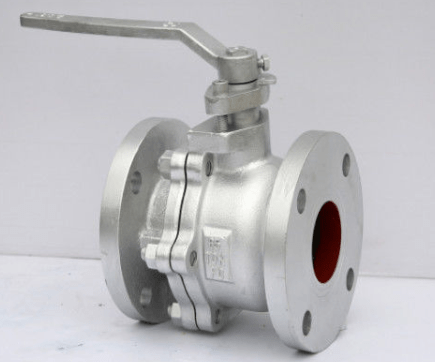
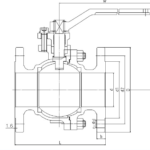
Incoloy 2 Piece Ball Valve
Price range: €211.00 through €1,422.00
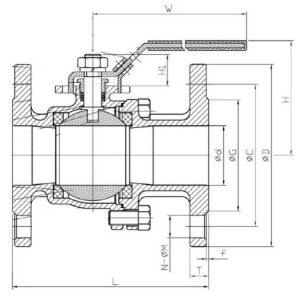
Incoloy 3 Piece Ball Valve
Price range: €360.00 through €2,451.00
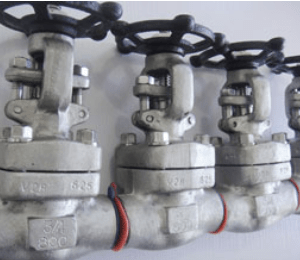
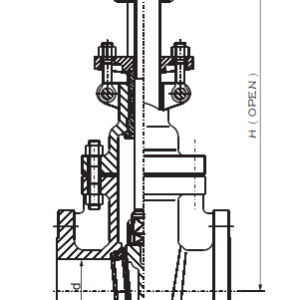
Incoloy Gate Valve
Price range: €550.00 through €2,451.00
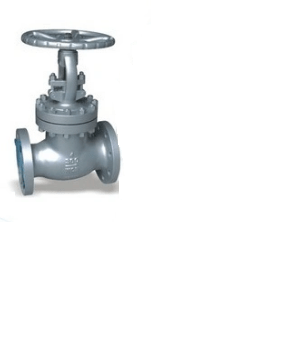
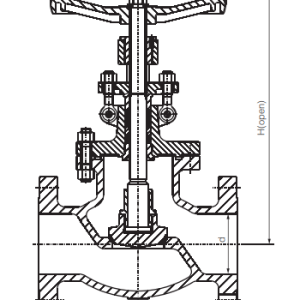
Incoloy Globe Valve
Price range: €550.00 through €2,386.00