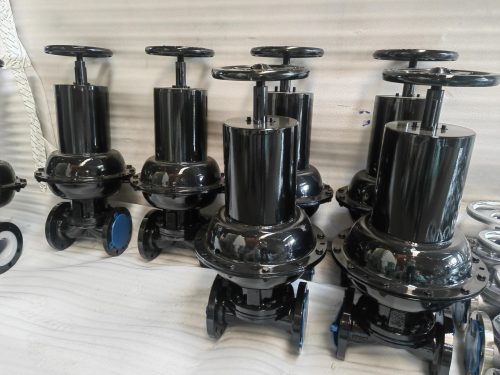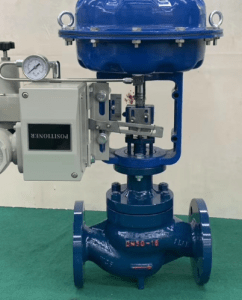

Hastelloy Valve Manufacturer in Germany
Hastelloy valves are used in chemical and process piping where conventional stainless steels may not provide sufficient resistance to aggressive acids, chlorides and other corrosive media. Hastelloy is a family of nickel-based alloys developed for demanding environments, with individual grades offering different levels of resistance to oxidizing and reducing conditions.
Hastelloy Valves for Aggressive Chemical Media:
- Strong acids
- Chloride-bearing solutions
- Chemical intermediates
- Acid transfer systems
- Polluted process streams
- Aggressive reactor media
- Scrubber systems
- Chemical waste treatment
Hastelloy’s nickel rich base, with chromium and molybdenum additions, provides strong corrosion resistance in demanding chemical service. Suitability still depends on the specific grade, chemical concentration, temperature and contaminants.
Valve Types and Construction:
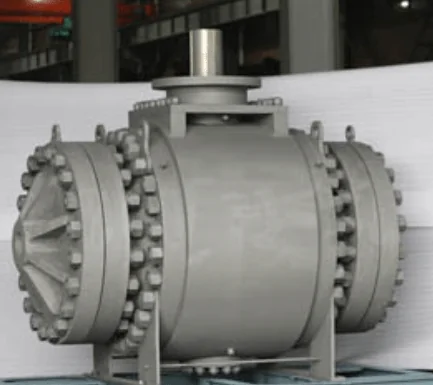
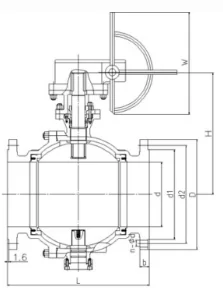
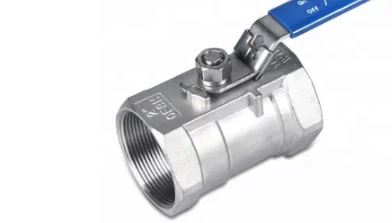
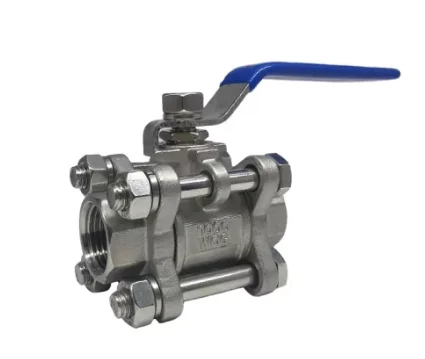
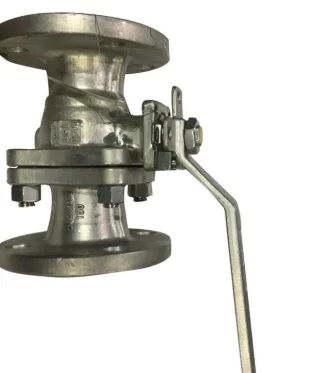
- Hastelloy Ball Valve: Quarter-turn isolation with low flow restriction; floating and multi-piece designs can be selected by size and pressure.
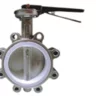
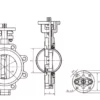
- Hastelloy Butterfly Valve: Compact rotary isolation or control for larger chemical pipelines, with seat and disc materials matched to service conditions.
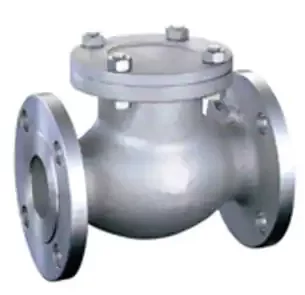
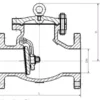
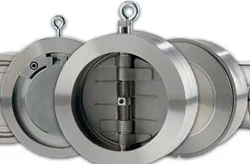
- Hastelloy Check Valve: Prevents reverse flow in corrosive lines using swing, dual-plate or other suitable designs.
- Hastelloy Gate Valve: Provides straight-through on/off isolation with low pressure loss when fully open.
- Hastelloy Globe Valve: Suitable for throttling and frequent shut off in corrosive chemical service.
- Body Construction: Cast, forged or fabricated depending on valve type, size and material specification.
Technical Specifications:
| Parameter | Typical Specification |
| Common Grades | Hastelloy C276 / UNS N10276; Hastelloy B3 / UNS N10675 |
| Valve Types | Ball, Butterfly, Check, Gate, Globe |
| Size Range | DN15–DN600 depending on valve type |
| Pressure Rating | PN10–PN100 / ASME Class 150–600 in common configurations; higher ratings design-dependent |
| Body Construction | Cast, Forged or Fabricated depending on valve type |
| Trim | Matching Hastelloy grade or compatible corrosion-resistant alloy |
| Seats | PTFE, RPTFE, PEEK or Metal |
| Packing | PTFE, Graphite or service-specific packing |
| End Connections | Flanged, Butt Weld, Socket Weld, Threaded |
| Operation | Manual, Gear, Pneumatic or Electric |
| Testing | EN 12266-1 / API 598 where applicable |
| Design Standards | Valve-type-specific EN, ASME or API requirements |
Pitting, Crevice and Stress-Corrosion Resistance:
Localized corrosion can occur when aggressive media attack small areas of the valve surface rather than producing uniform material loss.
- Pitting Corrosion: Hastelloy C276 provides strong resistance to localized pitting in many chloride-containing environments.
- Crevice Corrosion: Proper valve design and compatible sealing materials help reduce corrosion in stagnant or shielded areas.
- Stress Corrosion Cracking: Nickel rich Hastelloy grades offer improved resistance to chloride stress corrosion cracking compared with standard stainless steel.
Chemical Compatibility Considerations:
Hastelloy selection should be based on verified corrosion data for the actual operating conditions.
Important parameters include:
- Chemical composition
- Acid concentration
- Chloride concentration
- Oxidizing or reducing environment
- Process temperature
- Pressure
- Fluid velocity
- Contaminants
- Aeration
- Cleaning chemicals
- Shutdown conditions
For example, C276 and B3 can behave very differently when oxidizing species are present.
Chemical compatibility should also be checked for:
- Seat materials
- Packing
- Gaskets
- Fasteners
- Adjacent piping materials
Where several aggressive chemicals are present, material selection should be based on the most severe credible process condition rather than normal operating conditions alone.
Acid and Chemical Processing Applications:
Hastelloy valves are used in corrosive service systems across chemical and process industries.
Typical applications include:
- Hydrochloric acid processing
- Sulphuric acid systems under suitable conditions
- Chemical reactors
- Acid transfer
- Chloride-containing process lines
- Scrubber systems
- Specialty chemical production
- Waste chemical treatment
- Flue gas treatment
- Chemical tank farms
- Petrochemical processing
C276 is commonly considered where broad corrosion resistance is required, while B3 is more specifically associated with strongly reducing acid environments.
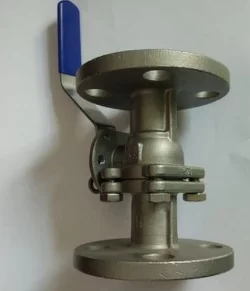
Hastelloy C276 2 Piece Flanged Ball Valve
Price range: €1,074.00 through €17,667.00
Hastelloy C276 2 Piece Screwed Ball Valve
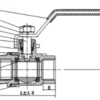
Price range: €924.00 through €16,500.00
Hastelloy C276 3 Piece Screwed Ball Valve
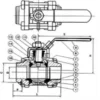
Price range: €1,015.00 through €21,397.00
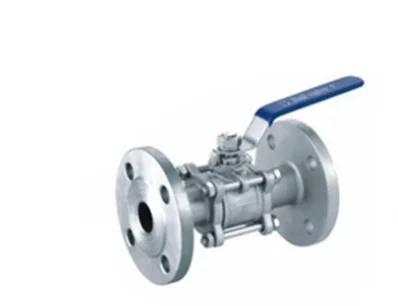
Hastelloy C276/B3 3 Piece Ball Valve
Price range: €2,363.74 through €22,047.00
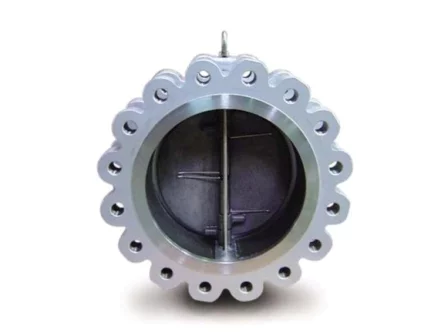
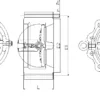
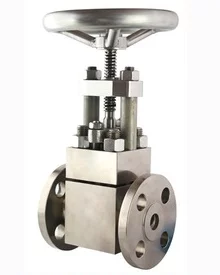
Hastelloy C276/B3 Gate Valve
Price range: €1,479.38 through €19,983.00
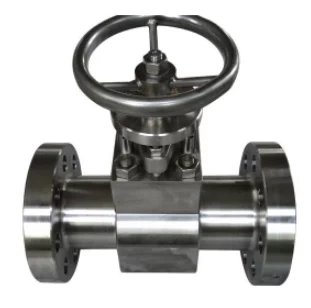
Hastelloy C276/B3 Globe Valve
Price range: €1,479.38 through €19,903.00