
Aluminium Bronze Valve Manufacturer in Germany
ValvesOnly Europe manufactures aluminium bronze valves for flow control applications involving seawater, brackish water, and corrosive fluid handling. As a manufacturer, we produce aluminium bronze valves in ball, butterfly, check, gate, and globe configurations for marine systems, offshore platforms, desalination plants, and water intake systems where corrosion resistance and strength are required.
What is an Aluminium Bronze Valve?
Aluminium bronze valve is a valve which is made from an aluminium bronze alloy that comprises copper, aluminium along with iron, nickel or manganese. The alloy creates a protective layer on coming into contact with water or the marine atmosphere and thus is resistant to corrosion, wear and tear and biofouling.
Types of Aluminium Bronze Valves:
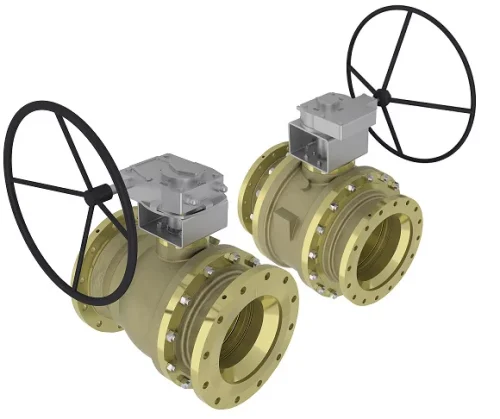
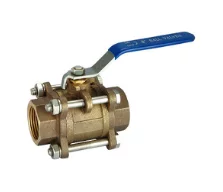
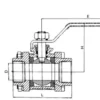
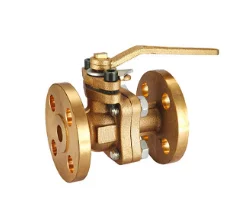
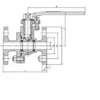
- Aluminium Bronze Ball Valve – Uses a bored ball rotated within the body to open or shut off flow with a quarter turn of the stem.
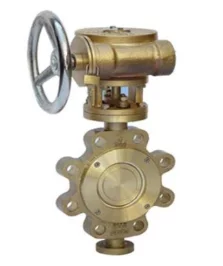
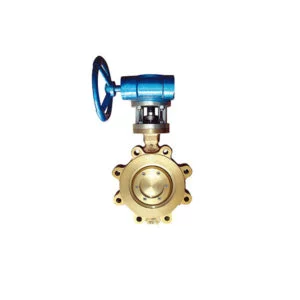
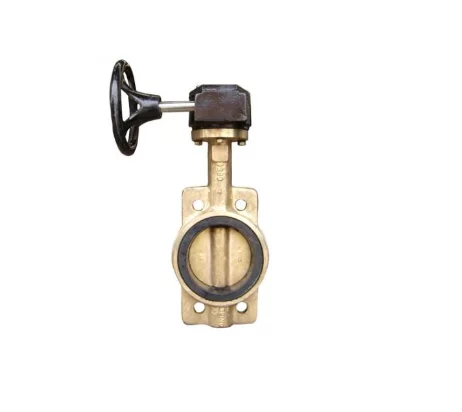
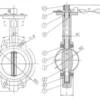
- Aluminium Bronze Butterfly Valve – Uses a rotating disc mounted on a shaft to regulate or stop flow, offering a compact build for large diameter lines.
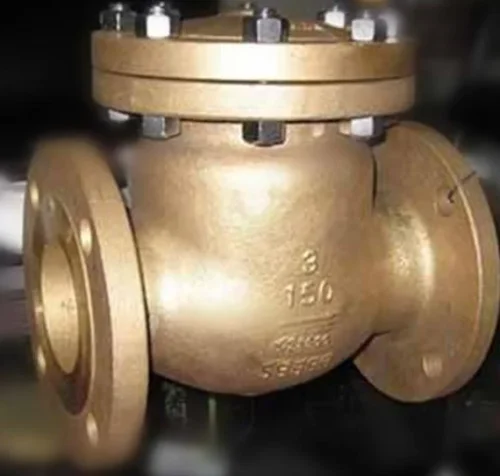
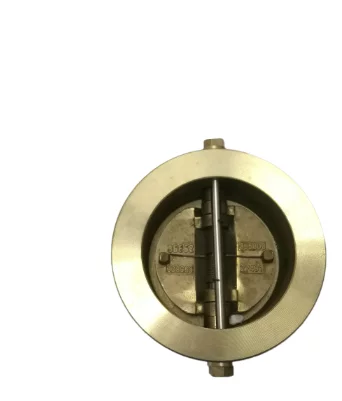
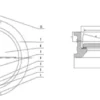
- Aluminium Bronze Check Valve – Uses a swing, lift, or spring loaded disc to allow flow in one direction and prevent reverse flow.
- Aluminium Bronze Gate Valve – Uses a rising or non rising gate moving perpendicular to flow for full open or full close operation with minimal pressure drop.
- Aluminium Bronze Globe Valve – Uses a movable disc against a seat in an S-shaped body path to throttle and regulate flow precisely.
Properties of Aluminium Bronze:
- Corrosion Resistance – Creates a protective layer of aluminium oxide, which is resistant to attacks from seawater, brackish water, and marine environments.
- Mechanical Strength – More tensile and yield strengths than other bronze and gunmetal alloys.
- Wear Resistance – Withstands erosion from high velocity flow and cavitation prone service conditions.
- Biofouling Resistance – Resists marine organism attachment on wetted surfaces.
- Impact Resistance – Maintains toughness at low temperatures, suited for cold seawater service.
Technical Specifications:
| Parameter | Specification Range |
| Nominal Size | DN15 to DN600 (½” to 24″) |
| Pressure Rating | PN10 to PN40, ANSI Class 150 to Class 300 |
| Body Material | Aluminium Bronze (C95800, C95500, C63000) |
| Trim Material | Aluminium Bronze, Stainless Steel, Nickel Aluminium Bronze |
| End Connections | Flanged, Butt Weld, Socket Weld, Threaded |
| Operating Temperature | -50°C to 200°C |
| Operating Pressure | Up to 40 bar |
| Testing Standards | Hydrostatic and seat testing as per EN 12266, API 598 |
| Design Standards | EN 1092, ASME B16.34, BS 5352, ISO 7268 |
Alloy Composition Reference:
| Element | Typical Range (%) |
| Copper (Cu) | Balance |
| Aluminium (Al) | 8 – 11 |
| Iron (Fe) | 2 – 5 |
| Nickel (Ni) | 0 – 5 |
| Manganese (Mn) | 0 – 1.5 |
Applications of Aluminium Bronze Valves:
-
Seawater Cooling Systems – Cooling water circulation in marine and power plant applications.
-
Ballast and Bilge Systems – Seawater handling for ballast and bilge pipelines.
-
Desalination Plants – Intake, pre-treatment, and brine discharge systems.
-
Offshore Platforms – Utility water, firewater, and process piping.
-
Port and Dock Infrastructure – Marine water supply and drainage networks.
-
Firewater & Deluge Systems – Corrosion resistant firefighting pipelines.
-
Shipbuilding & Marine Piping – Sea chests, hull penetrations, and onboard seawater systems.
-
Coastal Power Generation – Condenser cooling and seawater intake lines.
-
Water Treatment Plants – Raw seawater and brackish water intake systems.
Selection Criteria for Aluminium Bronze Valves:
- Fluid type and chloride content of the process medium
- Operating pressure and temperature range
- Flow velocity and exposure to cavitation or erosion
- Requirement for tight shutoff vs throttling control
- Compatibility with mating pipeline material to limit galvanic effects
- End connection type and installation orientation
Installation Areas for Aluminium Bronze Valves:
- Seawater cooling and intake systems
- Ballast and bilge piping
- Desalination and water treatment lines
- Offshore platform utility systems
- Dock and port infrastructure piping
- Firewater and deluge systems on marine vessels
Why Aluminium Bronze for Valve Manufacturing?
- Forms a stable oxide layer that limits corrosion progression in chloride rich environments
- Retains strength and hardness better than standard bronze under mechanical load
- Resists dezincification and stress corrosion cracking common in brass components
- Performs across a wide temperature range without loss of toughness
- Reduces fouling related maintenance in submerged and marine installations
- Suited for galvanic compatibility with steel and copper nickel piping systems
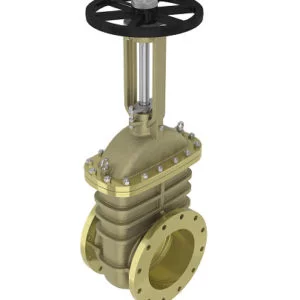
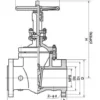
Aluminium Bronze Gate Valve
Price range: €126.00 through €8,972.00
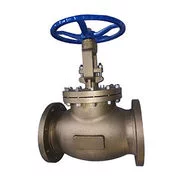
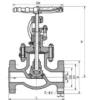
ALUMINIUM BRONZE GLOBE VALVE
Price range: €134.00 through €3,184.00