
Alloy 20 Valve Manufacturer in Germany
Alloy 20 valves are used in chemical processing systems where conventional stainless steels may not provide sufficient resistance to sulfuric acid and other aggressive process media. Alloy 20, designated UNS N08020, is an iron nickel chromium alloy containing molybdenum and copper additions that improve resistance to acid attack and localized corrosion under suitable service conditions.
Corrosion Control in Sulphuric Acid Service:
- The corrosion caused by sulphuric acid is greatly dependent on acid concentration, temperature, velocity, contamination, and aeration. A particular material that suits one concentration or temperature may not suit another.
- Alloy 20 was developed specifically for improved performance in sulfuric acid environments and is commonly considered where standard 304 or 316 stainless steel does not provide sufficient service life.
- Its copper content contributes to resistance in selected sulfuric acid conditions, while molybdenum improves resistance to localized attack such as pitting and crevice corrosion.
- Valve selection should still be based on actual process chemistry rather than assuming Alloy 20 is universally resistant to all acid concentrations.
Alloy 20 Valve Configurations:
Different valve designs are available according to the required isolation, control or non return function.
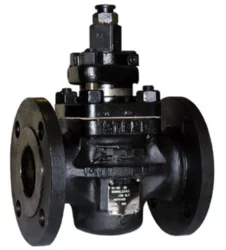
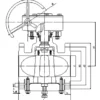
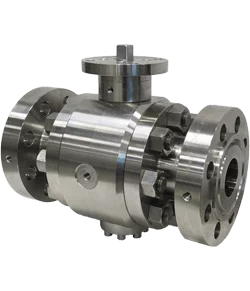
- Alloy 20 Ball Valve
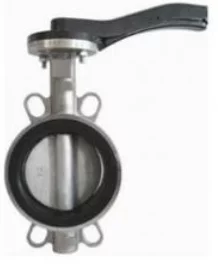
- Alloy 20 Butterfly Valve
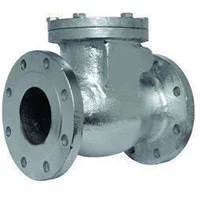
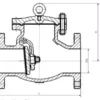
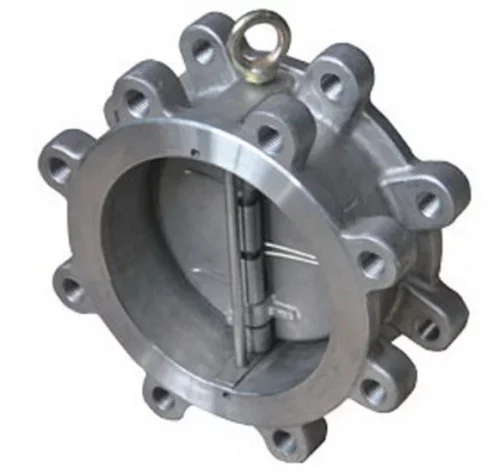
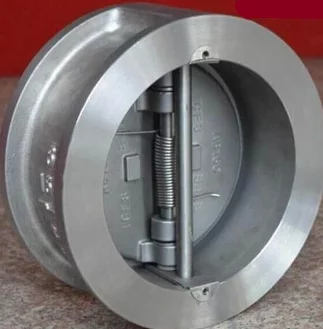
- Alloy 20 Check Valve
- Alloy 20 Gate Valve
- Alloy 20 Globe Valve
- Alloy 20 Plug Valve
UNS N08020 Composition and Properties:
UNS N08020 is an austenitic corrosion resistant alloy based primarily on iron, nickel and chromium with additions of molybdenum and copper.
Typical chemistry includes approximately:
- Nickel: 32–38%
- Chromium: 19–21%
- Copper: 3–4%
- Molybdenum: 2–3%
- Iron: balance
The combination provides:
- Resistance to sulfuric-acid attack under suitable conditions
- Improved resistance to pitting and crevice corrosion compared with conventional stainless steels in selected environments
- Resistance to chloride stress corrosion cracking
- Good mechanical properties for process equipment
- Weldability using appropriate procedures
Material should be supplied to the applicable product form specification for the valve component being manufactured.
Technical Specifications:
| Parameter | Typical Specification |
| Material | Alloy 20 / UNS N08020 |
| Forged Components | ASTM B462 N08020 where applicable |
| Cast Construction | ASTM A351 CN7M where specified |
| Valve Types | Ball, Butterfly, Check, Gate, Globe, Plug |
| Size Range | DN15–DN300 |
| Pressure Rating | PN10-PN40 / ASME Class 150–300 in the standard listed range |
| End Connections | Flanged, Butt Weld, Socket Weld, BSP/NPT Threaded |
| Seats | PTFE, RPTFE, PEEK or Metal depending on design |
| Operation | Manual, Gear Operated, Pneumatic or Electric |
| Pressure Testing | EN 12266-1 / API 598 where applicable to valve design |
| Design Standard | Valve type dependent EN, ASME or API standard |
Chemical Concentration and Temperature Limits:
Alloy 20 material selection should always consider both chemical concentration and temperature.
Increasing temperature can substantially increase corrosion rate even when the alloy performs well at a lower operating temperature.
Process conditions that should be reviewed include:
- Sulphuric acid concentration
- Chloride concentration
- Presence of oxidizing contaminants
- Process temperature
- Fluid velocity
- Aeration
- Crevice conditions
- Shutdown and cleaning chemicals
The maximum allowable valve temperature can also be limited by PTFE, RPTFE, elastomeric seals or other non metallic components even when the Alloy 20 pressure containing material remains suitable.
Material Compatibility Considerations:
Material compatibility should be evaluated for the complete valve assembly rather than the body alone.
- Body and Bonnet: Confirm Alloy 20 suitability for the actual fluid, concentration and operating temperature.
- Stem and Trim: Use wetted trim materials with corrosion resistance compatible with the body.
- Seat and Seal: Check PTFE or other seal materials against temperature, pressure and chemical exposure.
- Fasteners: Select corrosion-resistant fasteners and avoid unsuitable galvanic combinations.
- Adjacent Piping: Verify compatibility with connected piping, gaskets and welding requirements.
- Final Selection: Review corrosion data where process conditions or chemical concentrations vary.
Chemical Processing Applications:
Alloy 20 valves are used in chemical and process systems involving corrosive media.
Typical applications include:
- Sulphuric acid transfer
- Acid storage systems
- Acid dosing lines
- Chemical processing
- Pickling systems
- Metal processing plants
- Effluent treatment
- Neutralization systems
- Chemical tank farms
- Corrosive utility lines
Ball and gate valves are used mainly for isolation, globe valves for throttling, check valves for reverse flow protection and butterfly or plug valves where the process and valve construction support their use.
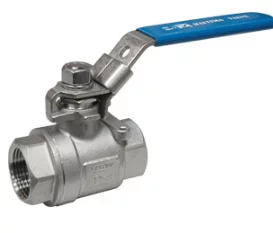
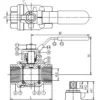
Alloy 20 2 Piece Screwed Ball Valve
Price range: €475.00 through €7,270.00
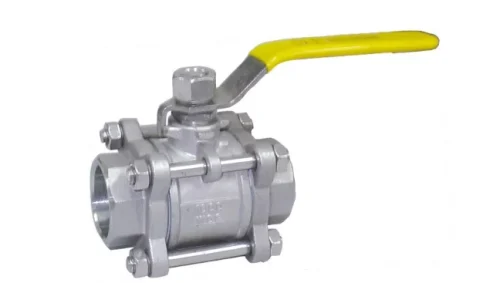
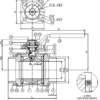
Alloy 20 3 Piece Screwed Ball Valve
Price range: €174.00 through €1,054.00
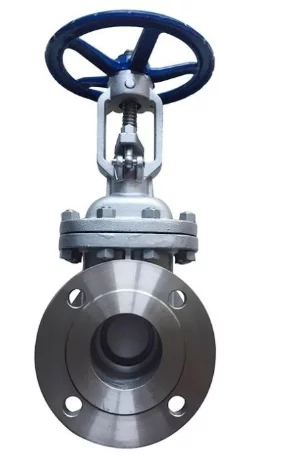
Alloy 20 Flanged Gate Valve
Price range: €649.00 through €24,389.00
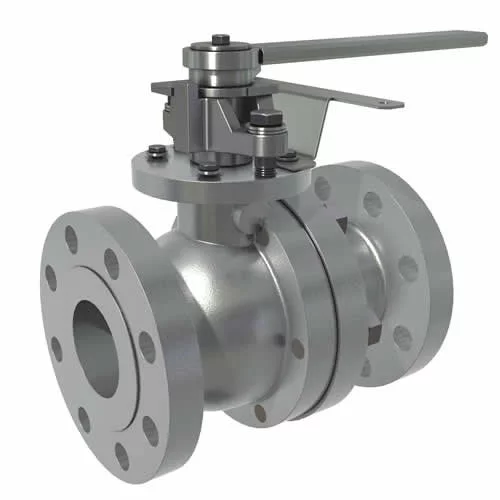
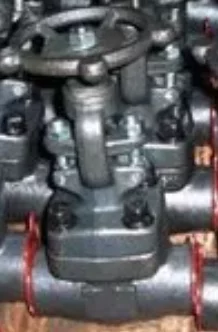
Alloy 20 Gate Valve
Price range: €49.00 through €383.00