Chemical & Petrochemical

API Certified
Designed & tested as per API Standards

ISO Certified
Designed & tested as per API Standards

ANSI Certified
Designed & tested as per API Standards

CE Compliant
European directives & PDE Compliance

API Certified
Designed & tested as per API Standards

ISO Certified
Designed & tested as per API Standards

ANSI Certified
Designed & tested as per ANSI standards.

CE Compliant
European directives & PDE Compliance
Valves for the Chemical & Petrochemical Industry
Chemical and petrochemical facilities process acids, alkalis, solvents, hydrocarbons, gases and other demanding fluids. Valves are used for isolation, flow regulation, reverse-flow prevention and pressure protection. ValvesOnly Europe manufactures valves with materials, sealing arrangements and operating methods matched to the process conditions.
Valves Used for Chemical & Petrochemical :
Valve design depends on the required isolation, throttling, safety or flow-control duty.
- Ball Valve – Quarter-turn isolation for chemicals and hydrocarbons; cavity-free designs reduce areas where media may collect or crystallise
- Gate Valve – Full-bore isolation in process and transfer pipelines
- Globe Valve – Throttling and controlled flow adjustment
- Butterfly Valve – Compact isolation for larger process pipelines
- Plug Valve – Quarter-turn isolation or flow diversion for compatible chemical services
- Check Valve – Restricts backflow to pumps and process equipment
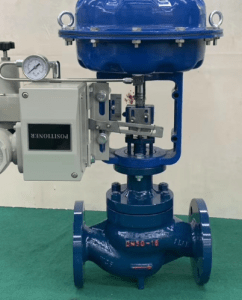
- Control Valve – Controls flow, pressure, temperature, or level of liquids
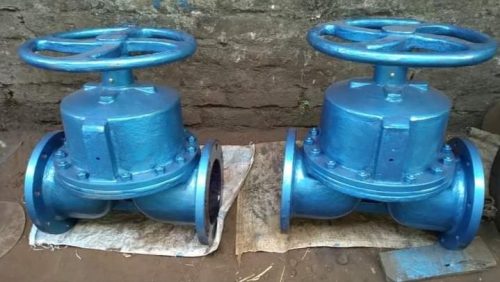
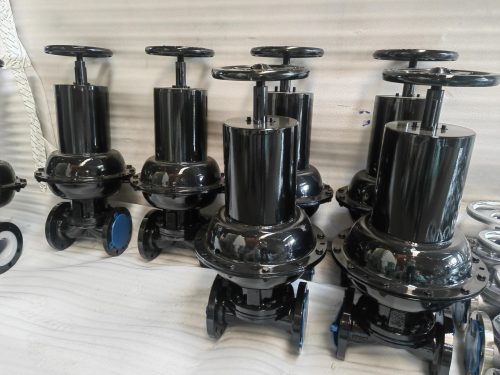
- Diaphragm Valve – Keeps corrosive and high purity liquids away from the control mechanism
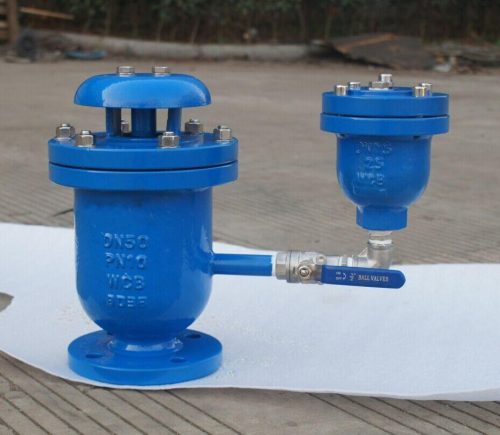
- Safety Valve – Safeguards pressurized equipment against overpressure
Chemical and Petrochemical Valve Applications in Europe
Valves are used across production, processing, storage and transfer systems, including:
- Chemical Processing Units – Isolation and control of acids, alkalis, solvents and treatment chemicals
- Petrochemical Process Lines – Handling of hydrocarbons, gases and supporting utilities
- Reactor and Vessel Systems – Control of feed, discharge, sampling and drain connections
- Storage and Blending Units – Product isolation, mixing and transfer
- Heat Exchanger Systems – Isolation of process and utility connections
- Loading Facilities – Control of chemical and petrochemical product transfer
- Pressure Equipment – Overpressure protection for tanks, vessels and process equipment
Materials for Corrosive Process Service
Material selection must consider the chemical composition, concentration, temperature, pressure and expected corrosion mechanism.
- Carbon Steel – Used for compatible hydrocarbons, gases and general process services
- Stainless Steel – Provides improved corrosion resistance for suitable chemicals and process fluids
- Duplex and Super Duplex – Includes F51, F53, F55 and F44 for chloride-bearing environments
- Hastelloy C276/B3 – Selected for highly corrosive media where conventional stainless steel may be unsuitable
- Alloy 20 – Used for certain acidic and chemical-processing duties
- Titanium – Selected for specific highly corrosive applications
Seats, seals, packing and gaskets must also be compatible with the process medium.
Process Conditions in Chemical Plants
- Fluid Properties – Composition, concentration and solids content influence material and valve selection
- Pressure and Temperature – Determine the required pressure class, construction and sealing materials
- Flow Conditions – Affect valve size, flow capacity, trim and actuator requirements
- Hazardous Media – Toxic or volatile fluids may require bellows sealing or certified low-emission packing
- Crystallising or Polymerising Media – May require cavity-free construction or flushing connections
- Fire Risk – Flammable chemicals and hydrocarbons may require fire-tested and anti-static designs
Chemical and Petrochemical Valve Details
- Size and Pressure: Selected according to pipeline size, flow capacity and design conditions
- Operation: Manual, gear-operated, electric, pneumatic or hydraulic
- End Connections: Flanged, wafer, lugged, threaded, socket-weld or butt-weld
- Design Standards: ASME B16.34, API 6D, API 600, API 608 or API 609, depending on valve type
- Dimensions: ASME B16.10 or EN 558; end connections to applicable ASME or EN standards
- Testing: API 598, ISO 5208 or EN 12266-1 for shell-pressure and seat-leakage testing
- Special Requirements: Fire-safe, anti-static and low-emission construction to applicable API or ISO standards where specified
As a chemical and petrochemical valve manufacturer, ValvesOnly Europe offers valves matched to the required fluid, pressure, temperature, material and operating conditions.
Need a Valve Solution For Your Project?
Talk to our engineer today and get a customised quote within 24 hours!