Power Energy

API Certified

API Certified

Designed & tested as per API Standards

ISO Certified

ISO Certified

Designed & tested as per API Standards

ANSI Certified

ANSI Certified

Designed & tested as per API Standards

CE Compliant

CE Compliant

European directives & PDE Compliance
API Certified

API Certified

Designed & tested as per API Standards

ISO Certified

ISO Certified

Designed & tested as per API Standards

ANSI Certified

ANSI Certified

Designed & tested as per ANSI standards.

CE Compliant

CE Compliant

European directives & PDE Compliance
Valves for the Power Generation Industry

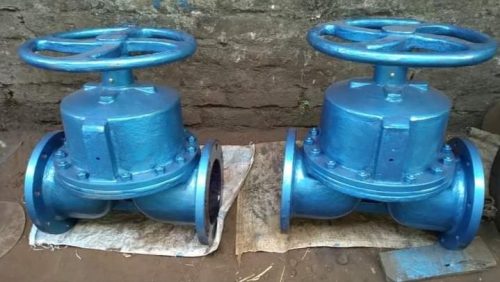
Power plants use valves in order to control steam, feed water, condensate, coolant water, fuel oil and utilities. Such valves ensure isolation, flow control, non-back flow and safety for boilers and other pressure systems. ValvesOnly Europe provides valve configurations for conventional and renewable power facilities, selected according to service conditions and project requirements.Power plants use valves in order to control steam, feed water, condensate, coolant water, fuel oil and utilities. Such valves ensure isolation, flow control, non-back flow and safety for boilers and other pressure systems. ValvesOnly Europe provides valve configurations for conventional and renewable power facilities, selected according to service conditions and project requirements.

Power Plant Valve Applications in Europe

Valves are installed across key power-generation systems, including:

  • Boiler and Main Steam Systems – Isolation and control of high-pressure, high-temperature steam and water circuits
  • Steam Turbine Systems – Control of steam supply, bypass and condensate lines
  • Feedwater Systems – Isolation and regulation around pumps, heaters and boiler-feed equipment
  • Boiler Blowdown Systems – Controlled removal of water containing concentrated dissolved solids
  • Cooling Water Systems – Isolation of cooling and heat-transfer circuits
  • Condensate Systems – Control of condensate return and associated piping
  • Fuel Handling Systems – Isolation of compatible fuel supply and transfer lines
  • Water Treatment Systems – Flow management for filtration, dosing and treatment equipment
  • Renewable Energy Facilities – Valve applications in biomass, geothermal, hydro and concentrated solar thermal plants

Valve Types Used in Power Generation

Valve design depends on the fluid, pressure, temperature, flow conditions and required function.

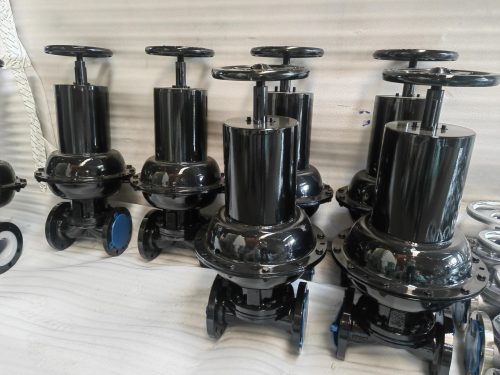
  • Gate Valve – Full-bore isolation for steam and water pipelines; pressure-seal construction is available for high-pressure, high-temperature service
  • Globe Valve – Flow regulation in steam and feedwater systems, including pressure-seal designs for severe service
  • Ball Valve – Quick shut-off for compatible fluids, fuels and utility services
  • Butterfly Valve – Small but effective isolation for cooling water and utility lines
  • Check Valve – Stopping reverse flow in pumps and lines, high pressure seal design is suitable for steam and feedwater lines
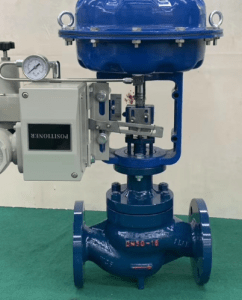
  • Control Valve – Controls flow, pressure, and temperature under varying conditions
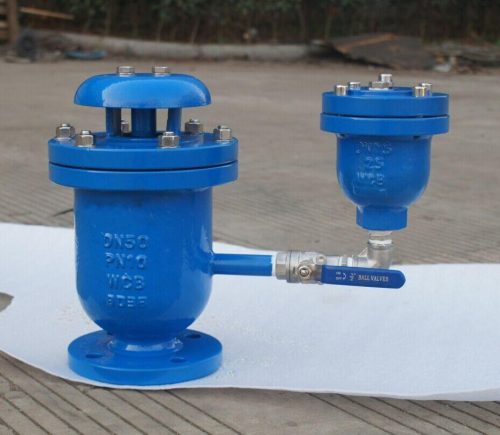
  • Safety Valve – Protects boilers and pressurised equipment against overpressure

Materials for Power Generation Valves

Materials must withstand the operating temperature, pressure, fluid and number of operating cycles. Common options include:

  • Carbon Steel: ASTM A216 WCB or ASTM A105 for compatible steam, water and utility services
  • Low-Temperature Carbon Steel: ASTM A352 LCB/LCC or ASTM A350 LF2 for suitable low-temperature duties
  • Alloy Steel: ASTM A217 WC6, WC9 or C12A for elevated-temperature steam service
  • Stainless Steel: ASTM A351 CF8M or ASTM A182 F316 for corrosive water and chemical-dosing systems
  • Duplex and Super Duplex: Used for chloride-bearing cooling water and corrosive utility services
  • Special Alloys: Hastelloy, Alloy 20 or Titanium for specific highly corrosive chemical and cooling-water applications

Operating Conditions in Energy Systems

Power plant valves must withstand demanding steam, water and cycling conditions. Key selection factors include:

  • Pressure and Temperature – Determine the pressure class, body material and sealing arrangement
  • Thermal Cycling – Requires body, bonnet, trim and packing materials suited to repeated temperature changes
  • Flow Conditions – High velocity and pressure drop may cause erosion, cavitation, flashing, noise or vibration
  • Water Chemistry – Influences material selection for feedwater, condensate and cooling-water systems
  • Operating Frequency and Leakage – Frequently cycled valves require durable actuation and suitable shut-off performance

Technical Details for Power Plant Valves

  • Size and Pressure: Selected according to pipeline size, flow capacity, temperature and design pressure
  • Operation: Manual, gear-operated, electric, pneumatic or hydraulic
  • End Connections: Flanged, wafer, lugged, threaded, socket-weld or butt-weld
  • Design Standards: ASME B16.34, EN 12516, API 600, API 602, API 594, API 608 or API 609, depending on valve type
  • Dimensions: ASME B16.10 or EN 558, with end connections to applicable ASME or EN standards
  • Testing: API 598, ISO 5208 or EN 12266-1 for shell-pressure and seat-leakage testing
  • Special Requirements: Pressure-seal bonnet, low-emission packing, bypass arrangements or severe-service construction where required

Valve Performance in Power Plants in Europe

The reliable performance of the valves ensures the proper functioning of boilers, turbines, pumps, heat exchangers, condensers, and cooling towers. ValvesOnly Europe is a manufacturer of valves for power plants and provides valves which suit the services, pressure, material, end connections, and mode of operation.

Need a Valve Solution For Your Project?

Talk to our engineer today and get a customised quote within 24 hours!

Scroll To Top
Categories
Close
Home
Category
Sidebar
0 Cart

Login

Shopping Cart

Close

Your cart is empty.

Start Shopping

Close