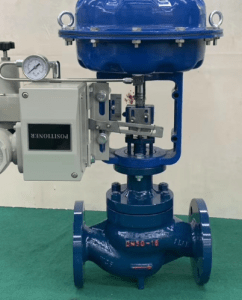

Duplex Steel Valve Manufacturer in Germany
Duplex steel valves combine high mechanical strength with improved resistance to chloride-induced corrosion compared with conventional austenitic stainless steels. Their mixed austenitic ferritic microstructure makes them suitable for offshore, marine, desalination, chemical and process applications where chloride stress corrosion cracking, pitting and mechanical loading are important design considerations.
Duplex Steel Valve Strength and Corrosion Resistance:
Compared with common 300 series austenitic grades, duplex steel typically provides:
- Higher yield strength
- Improved resistance to chloride stress corrosion cracking
- Improved resistance to pitting
- Good resistance to crevice corrosion
- Good mechanical toughness within the appropriate temperature range
- Potential for reduced section thickness in suitable engineering designs
These properties make duplex valve design suitable for applications where strength and corrosion resistance are both necessary. It should however be noted that duplex steels do not have resistance to all levels of chlorides in seawater or other environments.
Austenitic Ferritic Microstructure:
Duplex stainless steel derives its properties from a microstructure containing approximately balanced proportions of austenite and ferrite when correctly solution treated.
The ferritic phase contributes to:
- Higher mechanical strength
- Resistance to chloride stress-corrosion cracking
The austenitic phase contributes to:
- Toughness
- Ductility
- Fabrication capability
Maintaining the correct phase balance is important during manufacturing and welding.
Excessive heat input, improper heat treatment or prolonged exposure to unsuitable temperature ranges can cause undesirable phase formation and reduce corrosion resistance or toughness. For this reason, welding and heat treatment procedures must be controlled carefully.
Valve Configurations and Construction:
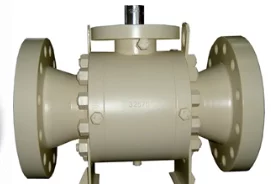
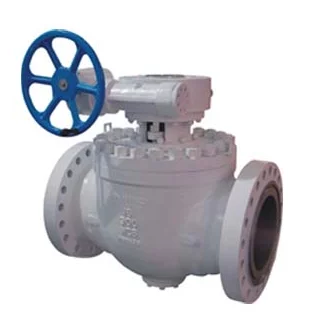
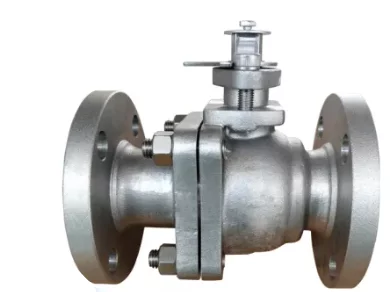
- Duplex Ball Valve: Quarter turn isolation with floating or trunnion design.
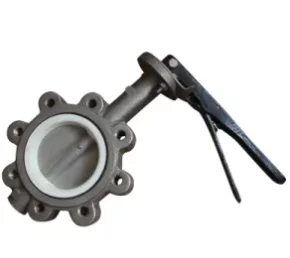
- Duplex Butterfly Valve: Compact isolation or flow regulation for chloride service.
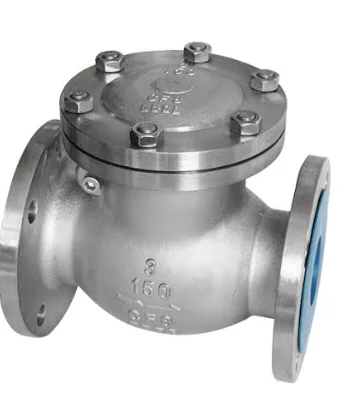
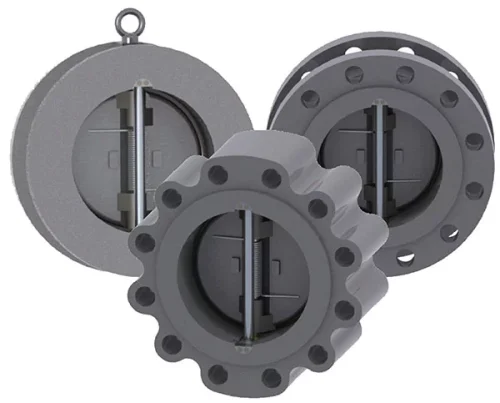
- Duplex Check Valve: Prevents reverse flow in marine and process lines.
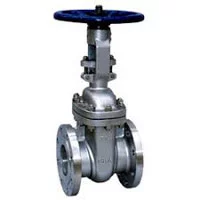
- Duplex Gate Valve: Full flow on/off isolation for corrosive piping.
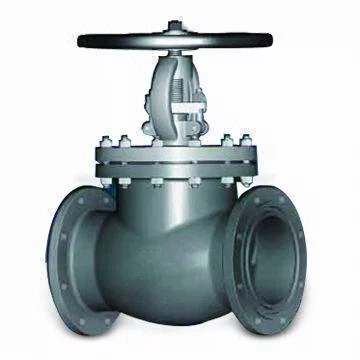
- Duplex Globe Valve: Throttling and controlled flow regulation.
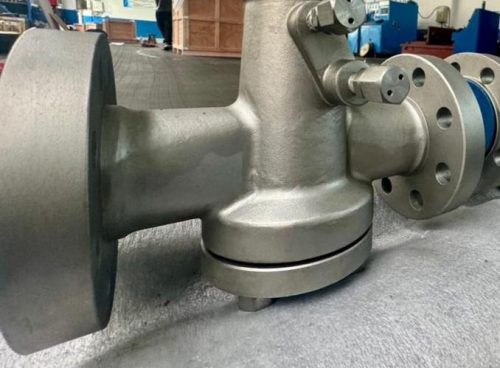
- Duplex Plug Valve: Quarter turn isolation for corrosive process service.
- Construction: Cast or forged body depending on valve type and material grade.
Technical Specifications:
| Parameter | Typical Specification |
| Material Grades | UNS S31803, UNS S32205 |
| Common Forged Grade | ASTM A182 F51 |
| Common EN Grade | EN 1.4462 |
| Valve Types | Ball, Butterfly, Check, Gate, Globe, Plug |
| Size Range | DN15–DN600 depending on valve configuration |
| Pressure Rating | PN10–PN100 / ASME Class 150–600 in common configurations higher classes design-dependent |
| Body Construction | Cast or Forged Duplex Steel |
| Trim | Duplex Steel, Stainless Steel or compatible hard-faced trim |
| Seat Materials | PTFE, RPTFE, PEEK, Elastomer or Metal depending on valve |
| End Connections | Flanged, Butt Weld, Socket Weld, Threaded |
| Operation | Manual, Gear, Pneumatic, Electric or Hydraulic |
| Testing | EN 12266-1 / API 598 where applicable |
| Documentation | EN 10204 3.1 / 3.2 where specified |
Chloride and Stress Corrosion Performance:
Duplex steel is frequently selected because of its improved performance in chloride-containing environments compared with conventional 304 or 316 stainless steel.
- Stress Corrosion Cracking: Duplex structure improves resistance in chloride environments.
- Pitting: Chromium, molybdenum and nitrogen improve localized corrosion resistance.
- Crevice Corrosion: Better resistance than many austenitic stainless steels, but temperature and chloride level still matter.
- Selection Factors: Chloride concentration, temperature, pH, oxygen, deposits and crevice conditions.
- Severe Chloride Service: Super Duplex may provide a higher corrosion margin.
Welding and Heat Treatment Control:
Duplex steel requires controlled fabrication to preserve its intended microstructure and corrosion performance.
Important welding considerations include:
- Qualified welding procedure
- Controlled heat input
- Suitable filler metal
- Interpass temperature control
- Protection from contamination
- Correct shielding and backing gas where required
- Post weld cleaning and pickling/passivation where applicable
The objective is to maintain an acceptable austenite-ferrite balance and avoid the formation of detrimental intermetallic phases.
Solution heat treatment is applied during applicable material manufacturing processes to establish the required microstructure.
Improper thermal exposure can reduce:
- Toughness
- Corrosion resistance
- Pitting resistance
- Weld performance
PMI and other material verification can be specified where required by project documentation.
Offshore and Process Applications:
Duplex steel valves are used where chloride corrosion and mechanical strength influence material selection.
Typical applications include:
- Offshore production facilities
- Oil and gas processing
- Produced water systems
- Desalination plants
- Seawater cooling
- Marine piping
- Chemical processing
- Pulp and paper production
- Brine handling
- Process-water systems
- Coastal industrial facilities
Duplex S31803/S32205 is suitable for many demanding chloride-containing environments, while more severe high chloride conditions may require Super Duplex S32750 or S32760.
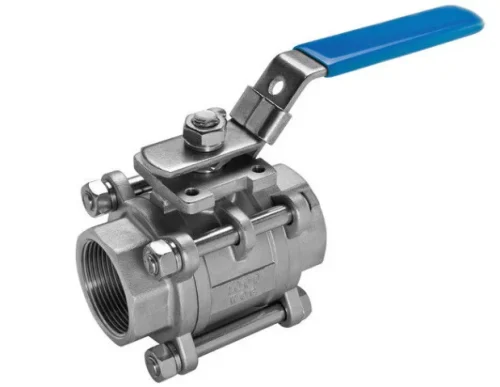
Duplex 1B 3 PC Ball Valve
Price range: €456.00 through €1,498.00
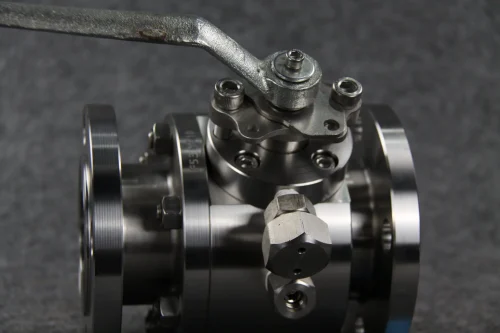
Duplex 3 Piece Ball Valve
Price range: €556.00 through €1,698.00
Duplex Gate Valve
Price range: €546.00 through €9,098.00
Duplex Globe Valve
Price range: €180.00 through €9,410.00