We deliver to you every day from 7:00 to 23:00
Understanding Butterfly Valve Types – Wafer, Lug, Double and Triple Offset
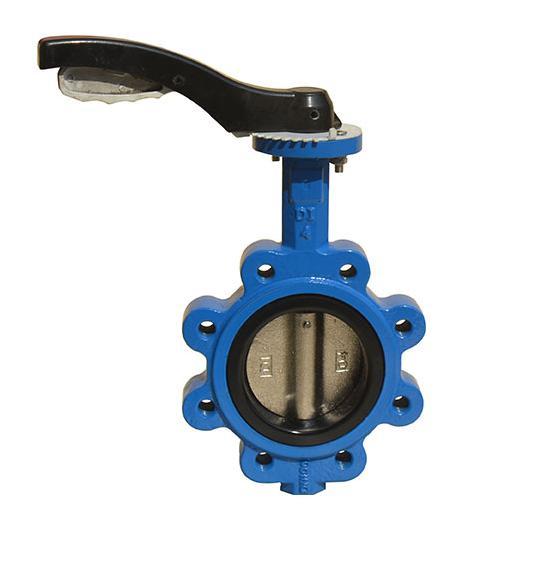
In this blog, we’ll take a closer look at how Butterfly Valves function, their different configurations like wafer, lug, double offset, and triple offset, and why these valves are a preferred choice for modern industrial operations.
As a Butterfly Valves manufacturer in Europe, Valves Only Europe specializes in engineering precision-built valves that maintain consistent flow control while minimizing pressure drop and mechanical wear.
What is a Butterfly Valve and How Does It Work?
A Butterfly Valve is a quarter-turn valve that regulates or isolates fluid flow using a rotating disc. When the handle or actuator turns the disc 90 degrees, it either aligns with the flow (fully open) or blocks it (fully closed). The design offers quick operation, compact size, and excellent flow characteristics, making it suitable for pipelines where space, weight, and cost are crucial considerations.
Flow, Direction, and Mechanism:
- The valve’s disc rotates around a central axis inside the pipeline.
- When positioned parallel to the flow direction, the fluid passes smoothly with minimal resistance.
- When turned perpendicular, it halts flow completely, preventing backflow issues and unwanted system interruptions.
- Depending on the design (centric or offset), the disc’s movement varies, offering different sealing capabilities and operational performance.
Butterfly Valves are ideal for throttling and shut-off applications in systems where fast operation and low-pressure drop are essential.
Types of Butterfly Valves
The design of a Butterfly Valve determines its sealing, pressure capacity, and application suitability. Below are the four major types used across industries:
1. Wafer Type Butterfly Valve
Wafer-type Butterfly Valves are compact and lightweight, designed to fit between two pipe flanges. They are held in place by bolts that run through the flanges and the valve body. This type is cost-effective and perfect for applications where tight sealing and compact installation are priorities.
Key Benefits:
- Economical and easy to install
- Suitable for low to medium-pressure systems
- Prevents backflow when paired with resilient seals
2. Lug Type Butterfly Valve
Lug-type Butterfly Valves feature threaded inserts (lugs) that allow the valve to be bolted directly between flanges. This design enables one side of the piping system to be removed without affecting the other ideal for maintenance or replacement purposes.
Key Benefits:
- Can be installed in dead-end service
- Stronger body suitable for medium to high-pressure systems
- Excellent for applications needing partial system isolation
3. Double Offset Butterfly Valve
Also called “High-Performance Butterfly Valves,” double-offset types have the stem positioned slightly behind the disc’s centerline and offset from the valve body centerline. This design reduces friction during operation, extending the valve’s service life.
Key Benefits:
- Suitable for higher pressure and temperature applications
- Reduces wear on sealing surfaces
- Commonly used in oil, gas, and power generation sectors
4. Triple Offset Butterfly Valve
Triple Offset Butterfly Valves introduce a third offset angular seat geometry that eliminates any rubbing between the disc and seat during operation. This results in a bubble-tight shutoff and a long-lasting seal, even in severe service conditions.
Key Benefits:
- Zero-leakage performance
- Handles high temperature, pressure, and corrosive fluids
- Ideal for critical applications such as steam, petrochemical, and cryogenic systems
Materials and Pressure Classes
Butterfly Valves are available in a variety of materials to suit different process conditions and media. The material choice directly influences corrosion resistance, temperature tolerance, and mechanical strength.
Common Materials:
- Body: Cast Iron, Ductile Iron, Carbon Steel, Stainless Steel (CF8M, CF3M), and Duplex Steel (F51)
- Disc: Stainless Steel, Nickel Alloy, Aluminum Bronze, or Coated Carbon Steel
- Seat: EPDM, NBR, PTFE, or Metal Seated (for high-temperature service)
Pressure Classes:
Butterfly Valves are typically manufactured in classes ranging from 150 to 900, depending on the type, body material, and intended service pressure.
Design and Testing Standards
At Valves Only, our Butterfly Valves are engineered and tested following international standards to guarantee consistent performance and operational integrity.
Design Standards:
- API 609 – Butterfly Valves: Double Flanged, Lug- and Wafer-Type
- ISO 5752 – Face-to-Face Dimensions
- MSS SP-67 – Design and Operation
Testing Standards:
- API 598 – Valve Inspection and Testing
- EN 12266 – Pressure Testing Requirements
- BS 5155 – Specification for Butterfly Valves
Every valve undergoes hydrostatic and pneumatic tests to validate body and seat integrity before delivery.
Common Industrial Applications
Butterfly Valves are used in diverse industries due to their compact design and broad compatibility with fluids, gases, and slurries.
Typical Applications Include:
- Water and wastewater treatment plants
- HVAC systems and district cooling lines
- Oil and gas transmission lines
- Chemical and petrochemical industries
- Marine, power generation, and food processing facilities
Their lightweight construction and fast operation make them ideal for large-diameter pipelines where other valves would be too heavy or costly.
Why Butterfly Valves are Vital in Industries
Butterfly Valves play a key role in process control by offering efficient regulation of fluid flow with minimal energy loss. Their versatility across low, medium, and high-pressure systems, coupled with compactness and cost-effectiveness, make them a cornerstone in industrial valve systems.
Whether used for isolation or throttling, they provide consistent flow management in pipelines where space and performance are critical.
Why Choose Valves Only Europe
At Valves Only, we manufacture high-quality Butterfly Valves tailored to your operational demands. Our engineering team focuses on precise design, tested performance, and long-term dependability across industries.
Whether your application involves oil, gas, or water service, our Butterfly Valves deliver consistent one-way flow control and prevent costly system failures. Share your process medium and pressure specifications, and our specialists will help you choose the most suitable Butterfly Valve type for your system.
Recent Posts
- Check Valve vs Non-Return Valve – Are They the Same Thing?
- Understanding Butterfly Valve Types – Wafer, Lug, Double and Triple Offset
- Pressure Relief Valves vs Safety Valves – When and How to Use Them
- Plug Valves – Design, Types, and Typical Applications Explained
- Understanding Valve End Connections – Flanged, Threaded, Socket Weld and Butt Weld