Check Valve vs Non-Return Valve – Are They the Same Thing?

Check Valve vs Non-Return Valve – Are They the Same Thing?
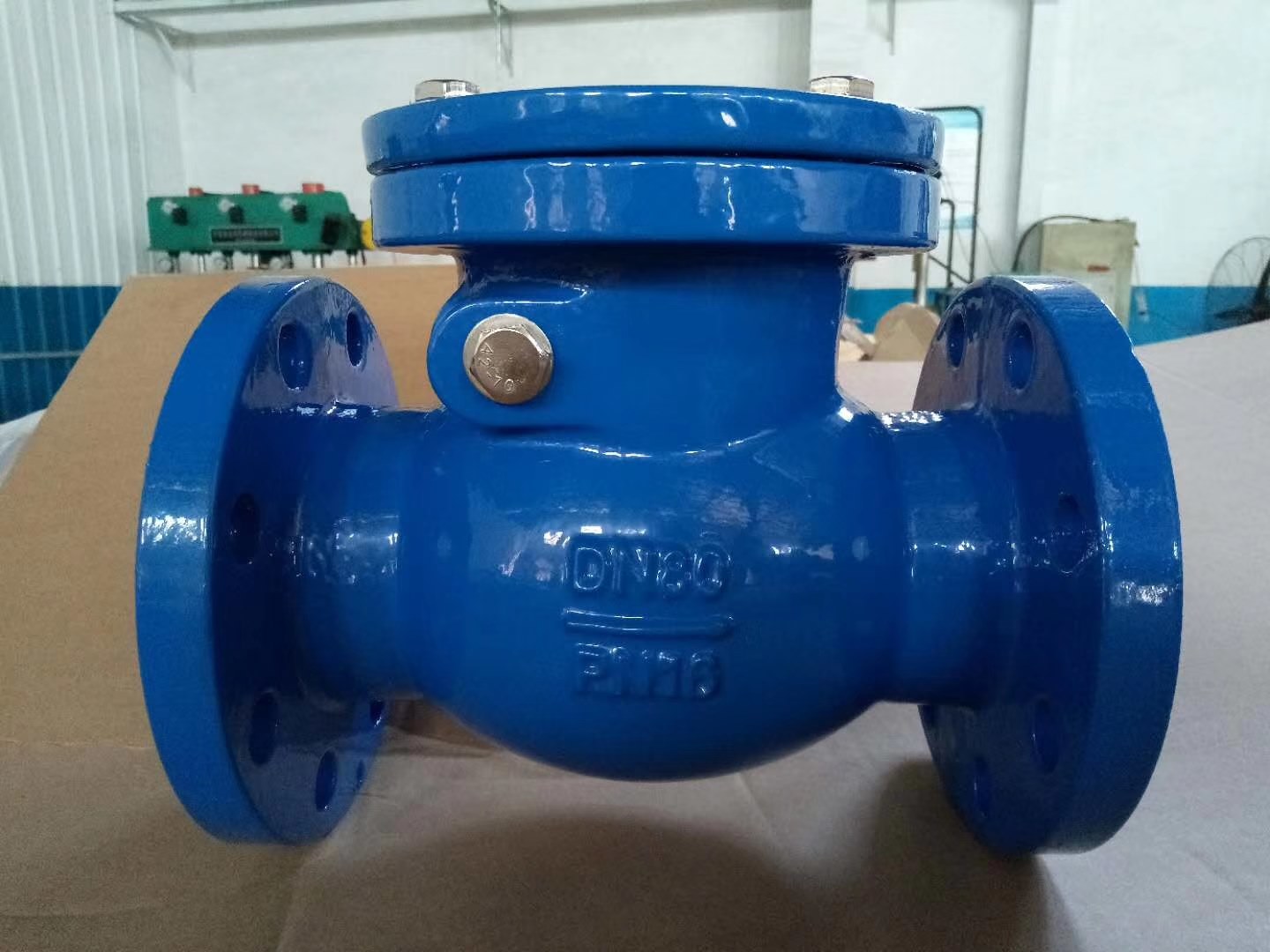
In this blog, we’re exploring one of the most common confusions in fluid control systems – Check Valve vs Non-Return Valve. If you’ve ever dealt with backflow problems, pressure fluctuations, or unplanned shutdowns in a pipeline, you already know how critical these valves are for system safety and efficiency. Both valves perform the same essential task – preventing reverse flow.

In this blog, we’ll talk about Check Valve vs Non-Return Valve, how they differ in design, operation, and application, and when to choose each. Our engineers at Valves Only Europe will help you understand the best choice for your process conditions – whether you deal with oil, gas, or water systems.

Why Are Check Valves and Non-Return Valves Often Compared?

Both Check Valves and Non-Return Valves (NRVs) are designed to allow flow in one direction and prevent backflow, protecting pumps, compressors, and downstream equipment. Because their fundamental purpose is identical, the terms are often used interchangeably – especially across different regions and industries.

In Europe, the term Non-Return Valve is widely used, whereas Check Valve is more common in the U.S. industrial vocabulary. The confusion mainly arises due to naming conventions rather than functional differences. However, certain design and operational aspects can make one better suited than the other depending on your system pressure, media type, and installation orientation.

Design and Operation Differences

Though both valves serve the same function, their internal mechanisms and construction types differ slightly.

  • Check Valve: Operates automatically, using a spring-loaded disc or a swing flap that opens with forward flow and closes when flow reverses. Common types include swing check, lift check, ball check, and wafer check valves.
  • Non-Return Valve (NRV): Functions similarly but may come in simpler designs without additional spring or assisted closing mechanisms. NRVs are often found in low-pressure systems or domestic water applications, where flow reversal pressure is minimal.

Essentially, a Check Valve is a type of NRV, but engineered with more advanced mechanisms for tighter sealing and pressure control.

What Sets Them Apart
ParameterCheck ValveNon-Return Valve (NRV)
FunctionalityPrevents backflow with automatic closing using springs or hinged discs.Allows flow in one direction; relies mainly on gravity or pressure differential.
Design ComplexitySlightly more complex with moving components like springs or seats.Simpler design, typically one moving part (disc or plate).
Pressure HandlingSuitable for high-pressure and industrial applications.Commonly used for low to medium pressure systems.
Maintenance NeedRequires periodic valve inspection due to spring wear or clogging.Minimal maintenance; ideal for systems with clean fluids.
Typical ApplicationsOil & gas, chemical processing, power generation.Water distribution, HVAC systems, and domestic piping.

Flow Characteristics and Pressure Drop

Flow performance is a key differentiator between the two.
Check Valves, especially wafer or spring-loaded types, are designed to minimize pressure drop across the valve. Their aerodynamic construction allows for smoother fluid movement even in high-pressure environments.

In contrast, Non-Return Valves can cause a slightly higher pressure drop due to their simpler design and reliance on gravity or back pressure for closing. This makes them less ideal for systems where flow efficiency and constant velocity are critical.

In short:

  • Choose Check Valves when maintaining consistent pressure is essential.
  • Use NRVs when cost efficiency and low maintenance outweigh the need for precise pressure control.

Cost Efficiency

When comparing Check Valve vs Non-Return Valve, cost and upkeep play an important role in decision-making.

  • Check Valves are generally more expensive because of their sophisticated designs and material options (stainless steel, duplex, or exotic alloys). However, they deliver long-term durability and better sealing in demanding applications.
  • Non-Return Valves are budget-friendly and easy to install. Their simple construction means fewer wear parts, reducing maintenance frequency – perfect for non-critical or low-pressure systems.

Regular valve inspection is still recommended for both, especially if you handle slurry, corrosive fluids, or systems prone to debris buildup.

When to Choose Which Valve

Selecting between a Check Valve and Non-Return Valve depends on your system’s design parameters, media type, and required control precision.

Choose Check Valve when:

  • You operate in high-pressure or high-temperature environments.
  • You need tight sealing and minimal pressure drop.
  • Your pipeline layout has horizontal or vertical orientation where assisted closure prevents reverse flow.
  • The fluid contains particles that require controlled valve movement.

Choose Non-Return Valve when:

  • The system pressure is moderate to low.
  • You need a cost-effective solution for non-critical flow control.
  • Maintenance access is limited, and simplicity is a priority.
  • The fluid is clean, such as potable water or HVAC fluids.

Which Valve Is Ideal and When?

Both Check Valves and Non-Return Valves are exceptional in their own operational domains. If your process demands precision, high-pressure performance, and long-term reliability, go for Check Valves. On the other hand, if you require a simpler, affordable, and low-maintenance option for clean or domestic fluid systems, Non-Return Valves serve the purpose perfectly.

In industrial settings like oil refineries or power plants, Check Valves are preferred. In contrast, NRVs are better suited for building plumbing and irrigation networks.

Conclusion

When it comes to Check Valve vs Non-Return Valve, both deliver dependable one-way flow protection – the choice depends on your system’s pressure, flow conditions, and installation needs. At Valves Only Europe, we design both valve types to deliver consistent performance and long service life under challenging conditions. Whether it’s oil, gas, or water service, our valves guarantee safe one-way flow and help prevent costly system failures.
Share your process medium, pressure rating, and valve orientation details with our engineering team – and we’ll help you select the best Check Valve or Non-Return Valve for your system’s performance and safety.