We deliver to you every day from 7:00 to 23:00
Rising Stem vs Non-Rising Stem Gate Valves Material Benefits for Corrosive Applications
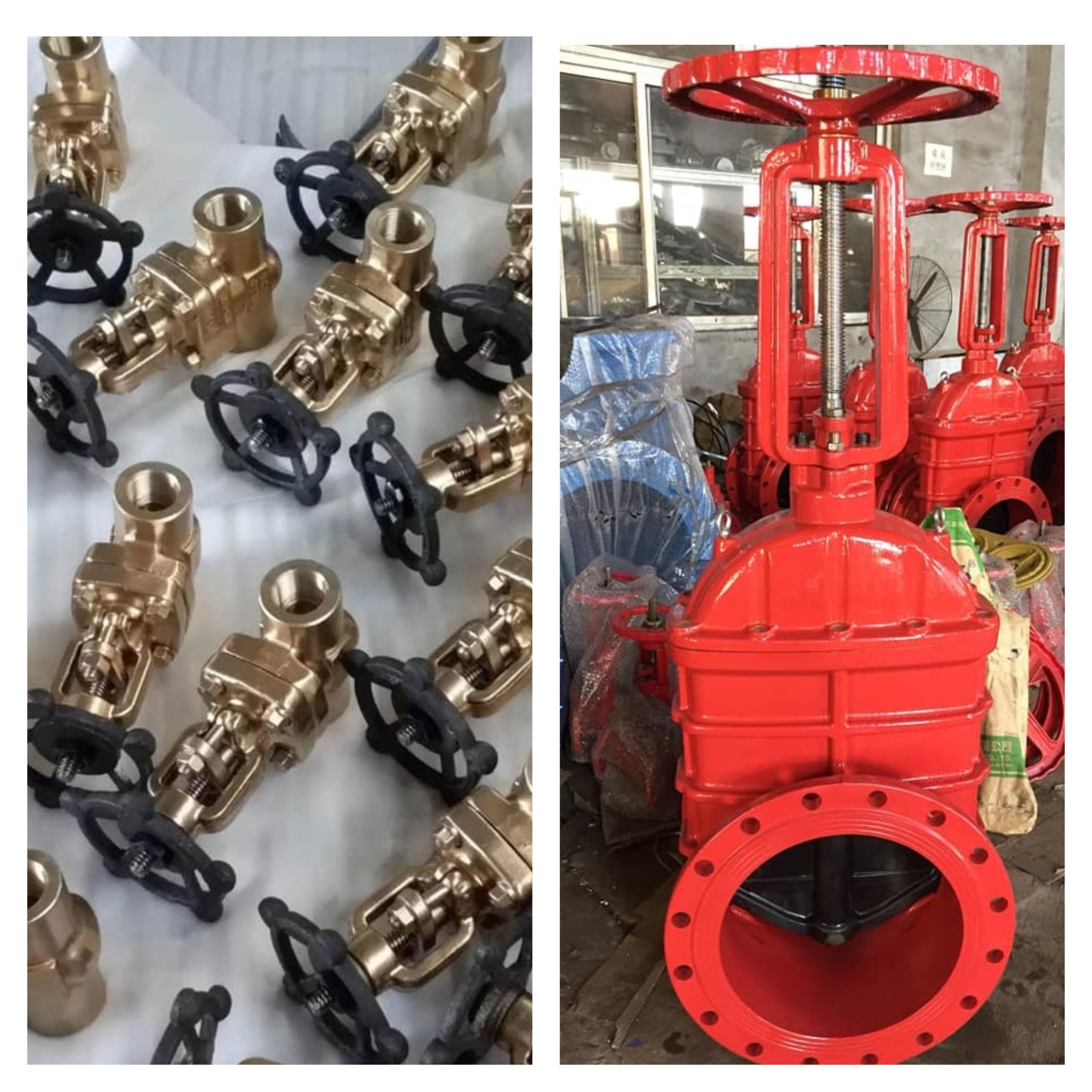
In this blog, we will be discussing Rising Stem vs Non-Rising Stem Gate Valves-a comparison that matters deeply for corrosive service industries. But before going into technical specifications, let’s slow down and address one of the biggest challenges plant operators face today: backflow problems and sudden pressure fluctuations that can compromise safety. Many failures begin quietly-chemical deposits, metal thinning, or torque spikes-and escalate into full-blown system shutdowns.
Because of these risks, businesses frequently search for the right balance when choosing materials and designs from a Rising Stem vs Non-Rising Stem Gate Valves manufacturer in Europe. Both styles isolate flow effectively, but behave differently when corrosive chemicals, abrasive slurries, and harsh industrial fluids interact with the internal components.
This comparison integrates high-intent secondary keywords like corrosive applications, industrial valve selection, pressure drop, valve orientation, and flow control performance naturally within the first lines to strengthen SEO without feeling forced or repetitive.
Why These Two Valve Designs Are Frequently Compared
Rising and non-rising stem gate valves often end up in the same engineering conversation for a few important reasons:
- They are the first-choice shutoff valves for pipelines carrying chemicals, seawater, hydrocarbons, brine, or wastewater.
- Their material compatibility heavily impacts performance in corrosive environments.
- They differ significantly in stem behavior, mechanical movement, and long-term resistance to wear.
- Space constraints, operator visibility, and valve orientation influence which type is more practical for a particular site.
- Both options offer strong flow isolation, but their engineering strengths become more pronounced when dealing with corrosive or chloride-rich applications.
The need for durability, safe operation, and predictable torque performance makes the comparison essential for engineering teams across Europe.
Design & Operation Differences
1. Rising Stem Gate Valves
Rising stem gate valves operate through a mechanism where the stem moves upward physically as the valve opens. This makes the open or closed position instantly visible-a major advantage when handling hazardous or corrosive fluids.
- External stems reduce contact between corrosive media and threaded components.
- Smooth mechanical behavior allows predictable movement and lower operational torque.
- Operators appreciate the visual feedback, especially in safety-critical facilities where any misinterpretation can result in backflow issues or exposure to hazardous chemicals.
- Valve inspection is simpler because the operating parts are accessible from outside the flow path.
2. Non-Rising Stem Gate Valves
Non-rising stem valves use internal threading to open and close, meaning the stem rotates in place without rising.
- Preferred for underground chambers, tight installations, and compact plant layouts.
- The internal threads are exposed to corrosive media, requiring stronger alloys or coatings.
- They depend more on external indicators to determine valve position.
- Their compact design makes them popular for water distribution networks, processing units, and confined industrial spaces.
Material Benefits for Corrosive Applications
Material selection is the biggest performance factor for either valve style. Both designs can be produced using corrosion-resistant metals depending on the fluid characteristics:
Common Alloys for Corrosive Systems
- CF8 / CF8M (SS304/SS316): Suitable for saltwater, mild acids, water treatment, and food-grade chemical applications.
- Duplex F51 & Super Duplex F55: Exceptional resistance to pitting and chloride stress corrosion; widely used in desalination, marine, and offshore industries.
- Alloy 20: Resists sulfuric acid and high-concentration chemical solvents.
- Hastelloy, Inconel, Monel: Preferred for highly aggressive acids, high-temperature corrosive gases, and strong oxidizing environments.
How Materials Behave Differently in Each Valve Design
- Rising Stem Valves: Stem threads stay outside the fluid path, meaning even moderately corrosion-resistant alloys perform well.
- Non-Rising Stem Valves: Internal components face direct exposure, so material grade, surface hardness, and corrosion barrier coatings become crucial.
The right material selection not only improves corrosion resistance but stabilizes torque, prevents galling, and limits internal deposit formation.
Flow Characteristics
Although both valves deliver minimal pressure drop when fully open, corrosive media can influence internal behavior differently:
Rising Stem Flow Behavior
- Smooth mechanical movement due to protected threads.
- More predictable flow performance over time because fewer internal components degrade from chemical contact.
- Reduced torque variations help maintain steady operation in high-density or particulate-laden fluids.
Non-Rising Stem Flow Behavior
- Internal threads may experience buildup or corrosion depending on fluid type.
- Torque variations can occur more frequently in pipelines with suspended solids.
- Best suited for moderate corrosive service or when designed using higher-grade materials like Duplex or Nickel alloys.
Performance in High-Pressure and High-Temperature Corrosive Systems
Rising and non-rising stem valves behave differently when subjected to demanding pressure and temperature conditions, particularly in corrosive applications.
Rising Stem Valves
- External threads reduce thermal expansion issues inside the media flow.
- Ideal for high-pressure chemical injection lines, refinery systems, and steam-based corrosive services.
- Lower friction under stress improves cycle life in extreme temperature ranges.
Non-Rising Stem Valves
- Compact body design allows better performance in underground high-pressure zones like district heating or chilled water systems containing corrosive additives.
- Internal threads must be constructed from stronger alloys to withstand thermal cycling in corrosive environments.
- Surface hardening helps reduce torque increases caused by temperature-induced scaling.
This makes both valves dependable, but the operating conditions strongly influence which design performs better.
Stem Sealing, Packing Materials & Corrosion Protection Enhancements
Corrosive applications require more than just strong valve bodies-the sealing and packing systems are often the first to degrade.
Rising Stem Valves
- Allow for advanced packing designs like graphite, PTFE blends, and corrosion-resistant bushings.
- Less exposure to corrosive flow enhances the longevity of gland packing.
- Operators often prefer the predictability of stem tension and packing compression.
Non-Rising Stem Valves
- Internal contact with corrosive fluids requires upgraded packing materials.
- Coatings such as electroless nickel plating or Stellite overlays reduce wear on exposed surfaces.
- When paired with Duplex or Super Duplex stems, these valves perform exceptionally well even with abrasive or aggressive fluids.
These advancements make both valve types adaptable to harsh and continuously changing chemical environments.
When to Choose Rising Stem vs Non-Rising Stem Gate Valves
Choose Rising Stem Gate Valves When:
- Visual confirmation of valve position is essential for safety.
- Fluids are highly corrosive or abrasive.
- The application requires stable torque performance.
- There is enough vertical clearance for the stem movement.
Choose Non-Rising Stem Gate Valves When:
- Space is limited, especially vertically.
- The valve must be installed in pits, chambers, or underground networks.
- Automated position indicators replace the need for visual confirmation.
- The corrosion resistance of internal components is enhanced with high-grade materials.
Comparison Table: Rising Stem vs Non-Rising Stem Gate Valves
| Aspect | Rising Stem Gate Valve | Non-Rising Stem Gate Valve |
| Corrosive Exposure | The stem remains outside the fluid, lowering corrosion risk. | Internal threads contact corrosive media, requiring stronger alloys. |
| Space Requirement | Requires vertical clearance during opening. | Compact design fits confined or underground spaces. |
| Operational Visibility | Valve position instantly visible. | Needs indicators or automation. |
| Flow Performance | More stable torque and smoother operation in corrosive fluids. | May see torque spikes with corrosive deposits. |
| Lifecycle Cost | Higher initial cost but reduced long-term wear. | More affordable upfront but may need more frequent component upgrades. |
Both rising stem and non-rising stem gate valves bring strong performance to corrosive service environments. Each design excels in its own operational space-rising stem valves offer visibility and stable mechanical behavior, while non-rising stem valves save space and adapt well to compact layouts. Rather than choosing one as universally superior, the ideal choice depends on fluid chemistry, pressure class, available space, and material grade.
If you’re evaluating options for corrosive applications-whether chemicals, seawater, brine, hydrocarbons, or industrial wastewater-share your process medium, temperature, and pressure details. Our engineering team will help you determine the right configuration and material grade to guarantee safe flow isolation and long-term operational performance.
Recent Posts
- Rising Stem vs Non-Rising Stem Gate Valves Material Benefits for Corrosive Applications
- Valve Certification Standards in Europe: ISO, API, and PED Explained
- Check Valve vs Non-Return Valve – Are They the Same Thing?
- Understanding Butterfly Valve Types – Wafer, Lug, Double and Triple Offset
- Pressure Relief Valves vs Safety Valves – When and How to Use Them