We deliver to you every day from 7:00 to 23:00
Forged vs Cast Valves: Differences, Strength & Applications for Corrosive Environments
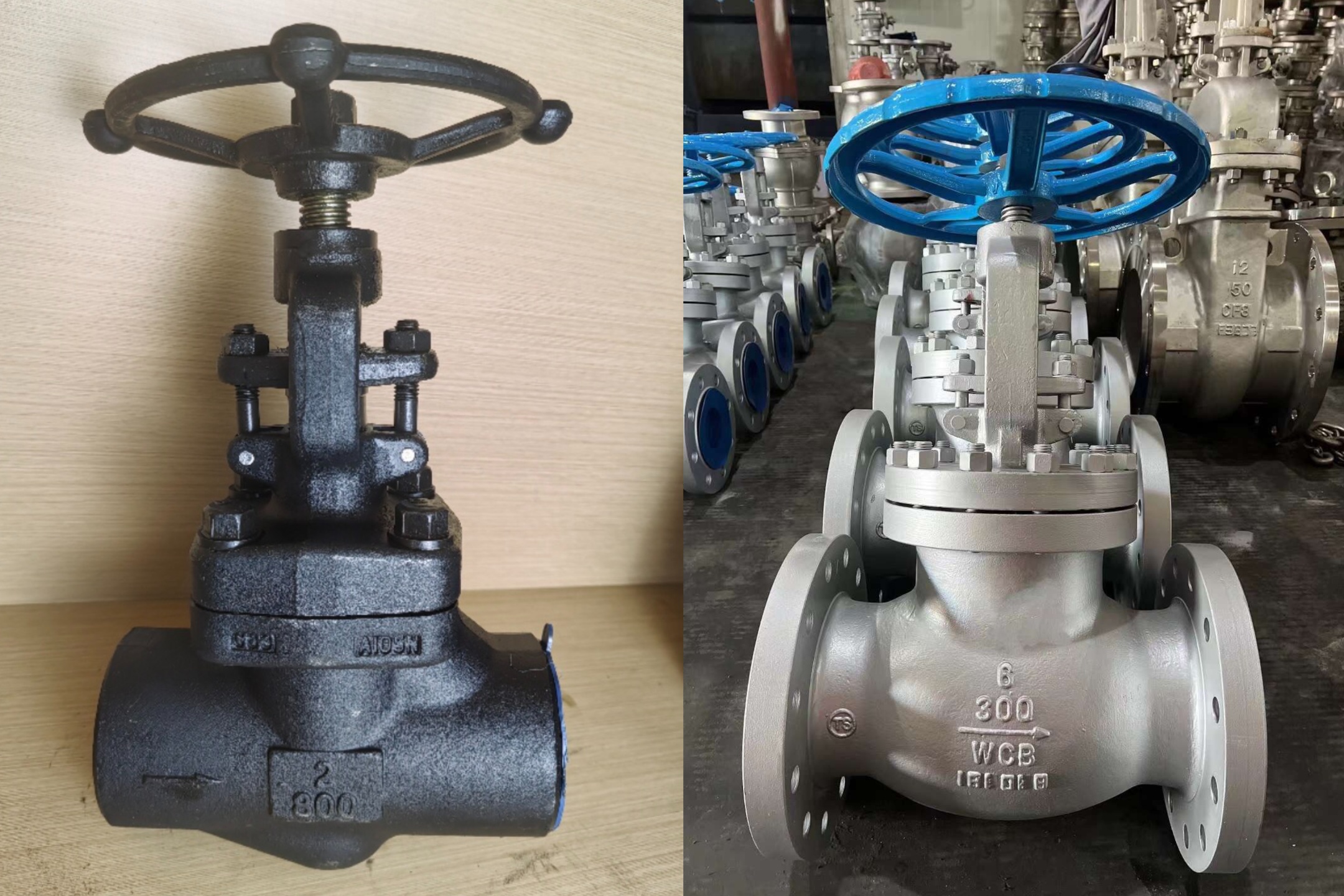
In this blog, we will be discussing Forged vs Cast Valves-two valve manufacturing methods that are often evaluated side-by-side when selecting equipment for demanding industrial processes. But before we get into the materials and mechanical performance, it’s important to highlight the real concerns engineers deal with daily: backflow issues, pressure spikes, valve orientation limitations, and degradation caused by corrosive fluids.
These challenges push businesses to compare materials, designs, and long-term durability offered by a Forged vs Cast Valves manufacturer in Europe. Whether managing aggressive chemicals, seawater systems, hydrocarbons, or steam, selecting the right construction method directly influences valve life, pressure drop behavior, and system safety.
This comparison uses natural placement of high-intent keywords such as valve inspection, corrosive applications, flow characteristics, pressure drop, and industrial valve selection within the first few lines to strengthen on-page SEO without forcing the reader experience.
Why Forged and Cast Valves Are Often Compared
Engineers frequently compare forged and cast valves because both options support high-pressure, corrosive, and safety-critical operations-but their performance differs significantly due to how the metal is shaped.
Why the comparison matters:
- Both serve as primary shutoff and flow control components in industries like oil & gas, petrochemicals, offshore platforms, pharmaceuticals, and chemical processing.
- Material behavior changes drastically depending on whether it is cast (poured into a mold) or forged (compressed under high pressure).
- Each type offers distinct advantages in strength, internal integrity, availability, corrosion resistance, and cost.
- The wrong selection can increase maintenance cycles, complicate valve inspection, or worsen performance in corrosive or high-temperature systems.
- Engineers must balance flow characteristics, thermal stress, and fluid chemistry before deciding which type best suits their process.
Because of these contrasting behaviors, the forged vs cast valve debate is widely discussed across Europe’s industrial markets.
Design and Operation Differences
1. Forged Valves
Forged valves are produced using compressive forces that reshape metal under extreme pressure. This process aligns the metal grain structure, resulting in exceptional mechanical strength and fatigue resistance.
- The refined grain makes forged valves strong enough to handle high-pressure, high-temperature, and corrosive media with consistent performance.
- They offer tighter dimensional accuracy, minimizing leakage pathways and delivering stable operation in demanding environments.
- Forged valves are commonly preferred for small-size, high-pressure ratings like Class 800, 1500, and 2500.
2. Cast Valves
Cast valves are manufactured by pouring molten metal into a mold, allowing complex shapes and larger sizes.
- Casting allows the formation of intricate valve bodies used in oil refineries, chemical plants, seawater injection lines, and large industrial pipelines.
- They allow engineers to work with a wider range of corrosion-resistant alloys like Duplex, Super Duplex, Alloy 20, Hastelloy, and Monel.
- Cast valves are typically used for Class 150-600 applications across medium to large pipe diameters.
Operational Differences
- Forged valves rely on structural density and refined grain to deliver consistent torque performance.
- Cast valves rely on design flexibility and internal port geometry to support stable fluid movement and optimized valve orientation.
Material Benefits in Corrosive Applications
Material performance is critical when handling acids, brine, chlorides, hydrocarbons, or wastewater. Both forged and cast valves offer excellent corrosion resistance when engineered with the right alloys.
1. Forged Valves Material Performance
Forging enhances the structural density, making it suitable for:
- Chloride-rich environments
- High-temperature acidic flows
- Steam-based corrosive systems
- Oxygen-rich and oxidizing fluids
Common forged materials:
A105, F22, F11, F51 (Duplex), LF2, SS304, SS316, F316L
Benefits in corrosive service:
- Reduced porosity prevents media infiltration.
- Tighter grain structure improves pitting resistance.
- Stronger mechanical integrity under variable temperatures.
- Lower risk of cracks due to pressure shocks.
2. Cast Valves Material Performance
Casting supports a broader alloy selection, making it ideal for complex corrosive applications.
Common cast materials:
WCB, LCB, CF8 (SS304), CF8M (SS316), CF3M, Duplex CD3MN, Super Duplex CD3MWCuN, Alloy 20, Monel, Hastelloy
Benefits in corrosive service:
- Greater alloy flexibility allows matching materials to exact fluid chemistry.
- Ability to integrate corrosion-resistant alloys uniformly throughout the valve body.
- Larger valve sizes support high-volume corrosive pipelines.
Flow Characteristics
Forged Valves Flow Behavior
- Tight grain structure maintains consistent flow even in intense chemical environments.
- Less turbulence due to precision machining reduces pressure drop.
- Excellent for high-pressure chemical injection lines, boiler feedwater systems, and steam lines.
- Compact internal passages maintain steady flow without sudden torque changes.
Cast Valves Flow Behavior
- Superior for large pipelines requiring high flow capacity.
- Allows complex port shapes, improving flow distribution for chemical plants and water treatment units.
- Slightly higher risk of internal roughness due to casting but mitigated with high-quality finishing.
- Ideal for corrosive media with suspended solids due to customizable cavity geometry.
Cost and Maintenance Considerations
Forged Valves
- Higher manufacturing cost due to forging pressure and machining.
- Lower maintenance cost because forged valves resist pitting, cracking, and porosity-related wear.
- Ideal for long-term high-pressure corrosive service where lifespan outweighs initial pricing.
Cast Valves
- More economical for large sizes and lower pressure classes.
- Maintenance depends on alloy grade and casting quality.
- Complex shapes allow easier upgrades to internal coatings, trim materials, or corrosion-resistant alloys.
The cost-to-performance ratio depends heavily on size, pressure class, and corrosive media chemistry.
When to Choose Which Valve
Choose Forged Valves When:
- You’re dealing with small-size valves under high pressure or fluctuating temperatures.
- Media is highly corrosive or erosive and demands structurally dense materials.
- System safety requires low porosity and minimal risk of cracks.
- Applications include steam lines, chemical injection, ammonia service, or high-pressure refinery units.
Choose Cast Valves When:
- Your system requires medium- to large-size valves.
- Complex body shapes or flow paths are needed.
- You need flexibility in selecting corrosion-resistant alloys.
- Applications include desalination plants, seawater service, petrochemical units, and wastewater plants.
Comparison Table: Forged vs Cast Valves
| Aspect | Forged Valves | Cast Valves |
| Material Integrity | Dense grain structure delivers superior strength and corrosion resistance. | Material is homogenous but may contain micro-porosity depending on casting quality. |
| Pressure & Temperature Tolerance | Ideal for extreme pressure and temperature variations. | Suited for medium-pressure and high-volume applications with corrosive fluids. |
| Design Flexibility | Limited shapes but extremely durable. | Allows intricate geometries for specialized corrosive applications. |
| Flow Characteristics | Precision machining reduces turbulence and stabilizes pressure drop. | Larger internal pathways deliver high flow for chemical and water systems. |
| Cost Consideration | Higher upfront cost, lower maintenance in corrosive systems. | More cost-effective for large sizes with customizable corrosion-resistant alloys. |
Forged and cast valves each bring significant advantages to corrosive and industrial applications. Forged valves deliver exceptional strength and material integrity, while cast valves offer design flexibility and broader alloy options for complex media. Neither is universally better-the right choice depends on your pressure requirements, fluid characteristics, and installation environment.
If you’re evaluating valves for corrosive, high-pressure, or safety-critical systems, share your medium, temperature range, and pressure class. Our engineers will help you select the best configuration so your process continues to deliver safe, consistent flow control without unexpected failures.
Recent Posts
- Forged vs Cast Valves: Differences, Strength & Applications for Corrosive Environments
- Rising Stem vs Non-Rising Stem Gate Valve Material Benefits for Corrosive Applications
- Valve Certification Standards in Europe: ISO, API, and PED Explained
- Check Valve vs Non-Return Valve – Are They the Same Thing?
- Understanding Butterfly Valve Types – Wafer, Lug, Double and Triple Offset