Valves Used in Chemical Processing Plants

Valves Used in Chemical Processing Plants
Chemical processing plants rely on controlled fluid handling to maintain safety, efficiency, and product quality. Valves Used in Chemical Processing Plants play a critical role in regulating flow, isolating systems, and protecting equipment across diverse process units. These facilities handle corrosive chemicals, high pressures, wide temperature ranges, and complex reactions, making valve selection a technical decision rather than a commercial one. In regulated industrial environments, particularly in large-scale installations in the Germany; Italy etc, valves must meet stringent design, material, and testing standards to ensure long-term reliability. At ValvesOnly Manufacturer in Europe, such operational challenges are commonly observed during project reviews and maintenance assessments across chemical systems.

Overview of Chemical Processing Systems

Chemical plants consist of interconnected units such as reactors, distillation columns, heat exchangers, storage tanks, and transfer pipelines. Each section requires precise flow control to maintain reaction stability and process efficiency. Valves installed across these systems must handle liquids, gases, slurries, and sometimes multiphase flows without compromising containment.

Valve applications vary by process stage:

  • Feed and dosing systems require accurate throttling.
       
  • Reaction and separation units depend on tight shut-off and pressure regulation.
  • Utility and auxiliary lines support steam, cooling water, and compressed air distribution.

Because chemical processing often operates continuously, valves are expected to perform reliably over long cycles. Improper selection can lead to leaks, unplanned shutdowns, or contamination, affecting both safety and output.

Operating Conditions and Process Challenges

Chemical processing environments are among the most demanding for valve operation. Media can be corrosive, toxic, abrasive, or prone to crystallization. Temperature ranges may extend from cryogenic conditions to elevated process heat, while pressures fluctuate based on reaction dynamics.

Common challenges include:

  • Corrosion and chemical attack on valve bodies and internals
  • Erosion caused by high-velocity or particulate-laden fluids
  • Thermal cycling, leading to seal degradation
  • Pressure surges during batch operations or start-ups

From a valve manufacturer perspective, these conditions require careful evaluation of service parameters rather than reliance on standard designs. Compatibility between the process fluid and valve materials is essential to avoid premature failure.

Valve Types Commonly Used in Chemical Facilities

Different valve designs are selected based on function, control requirements, and process severity. No single valve type fits all applications, and most plants use a combination across systems.

Frequently used valve types include:

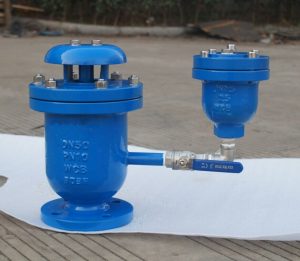
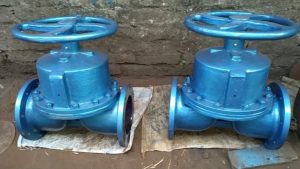
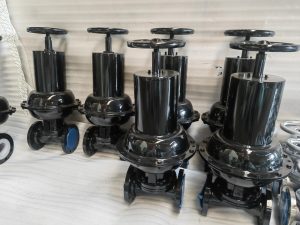
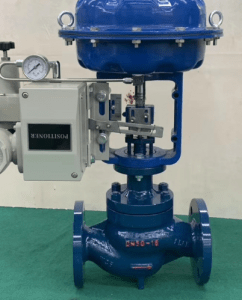
For example, isolation points in corrosive services often rely on lined ball or diaphragm designs, while control loops favor globe-style configurations. Selecting the correct valve type improves process stability and reduces maintenance frequency. Related guidance can be found in resources covering [industrial ball valve applications], [control valve selection principles], and [check valve functions in process systems].

Material and Design Considerations

Material selection is one of the most critical aspects of valve performance in chemical plants. The choice depends on chemical compatibility, temperature limits, pressure ratings, and mechanical strength. Common materials include carbon steel, stainless steel grades, duplex alloys, and specialty alloys for aggressive media.

Design considerations extend beyond materials:

  • Body construction must withstand system pressure and thermal stress
  • Seat and seal materials must resist swelling or degradation
  • End connections should align with piping standards and maintenance access

Standards such as those published by API and ASME define pressure classes, testing requirements, and dimensional consistency, helping ensure interchangeability and safety. Adhering to these standards simplifies inspection and replacement during plant shutdowns.

Common Failure Modes and Maintenance Practices

Valve failures in chemical processing plants are often linked to service misalignment rather than manufacturing defects. Corrosion under insulation, seal wear, and buildup of process residues can impair operation if not addressed early.

Typical issues include:

  • Leakage due to seat or packing damage
  • Sticking or seizure from chemical deposits
  • Loss of control accuracy in modulating services

Preventive maintenance programs focus on periodic inspection, material verification, and performance testing. In facilities operating under strict compliance frameworks, routine audits help identify valves nearing the end of their service life. As a valve manufacturer supporting projects in Europe, these factors are generally evaluated during design reviews and plant acceptance testing.

Valves used across chemical processing operations are integral to safe and efficient plant performance. Their selection depends on understanding process conditions, fluid characteristics, and long-term operational demands. By choosing appropriate valve types, materials, and designs, plants can reduce downtime and improve reliability. While standards provide a technical foundation, real-world performance depends on correct specification, installation, and maintenance. A neutral, system-focused approach to valve selection supports compliance and operational stability without turning technical decisions into commercial ones.