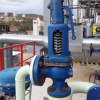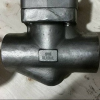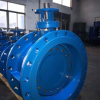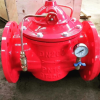
Valves Used in Offshore Oil and Gas Facilities
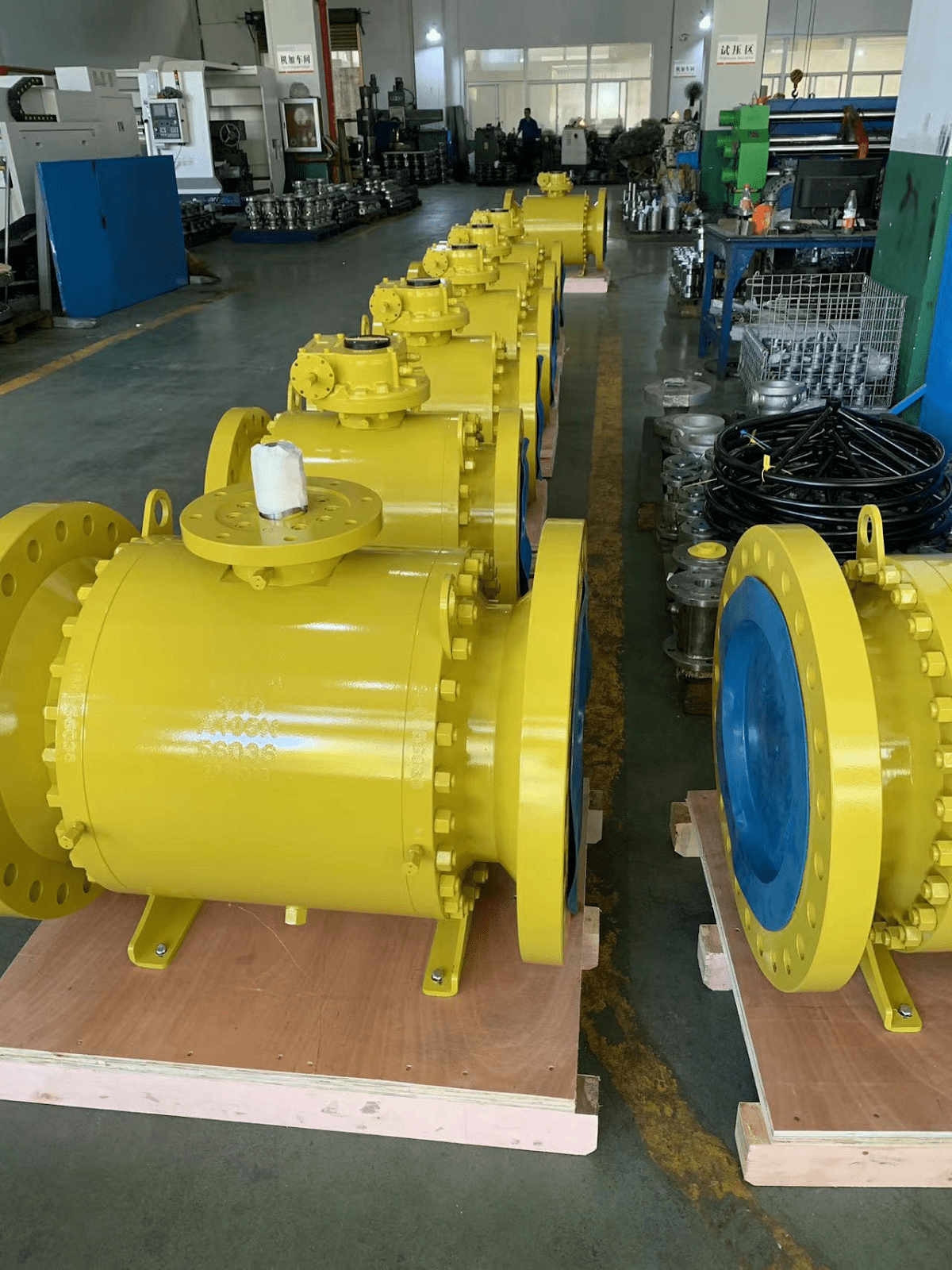
Valves Used in Offshore Oil and Gas Facilities are critical components that ensure safe flow control, isolation, and pressure management in some of the most demanding operating environments. Offshore platforms operate under high pressure, corrosive conditions, continuous vibration, and limited maintenance access, making valve reliability a core safety concern rather than a procurement decision. These installations handle multiphase hydrocarbons, seawater injection, and utility services across upstream production systems. In offshore projects governed by strict regulatory frameworks, including those aligned with practices followed in Europe, valve performance is closely tied to compliance, risk mitigation, and long-term operational integrity.
Offshore Facility Environment and System Overview
Offshore oil and gas facilities include fixed platforms, floating production systems, subsea tie-ins, and associated processing modules. Valves are installed across wellheads, manifolds, separators, pipelines, and utility systems, each serving a specific control or isolation function.
Key characteristics of offshore environments include:
- Continuous exposure to saltwater and marine atmosphere
- Limited space and weight constraints on topside modules
- High-pressure and high-temperature hydrocarbon service
- Restricted access for inspection and maintenance
Because system shutdowns offshore are costly and complex, valves are expected to operate reliably over extended periods. Design decisions therefore focus on durability, fail-safe operation, and compatibility with automated control systems. Related system layouts are discussed in internal resources on [offshore production systems] and [subsea-to-topside flow control].
Operating Conditions and Technical Challenges
Offshore process conditions differ significantly from onshore facilities. Fluids may contain sand, water, gas, and corrosive components such as hydrogen sulfide or carbon dioxide. Pressure and temperature profiles can vary rapidly due to changing reservoir conditions and production rates.
Common challenges affecting valve performance include:
- Corrosion and erosion from aggressive and abrasive media
- Pressure cycling during start-up, shutdown, and well testing
- Vibration and dynamic loading from rotating equipment and wave motion
From a valve manufacturer perspective, these conditions require conservative design margins and careful evaluation of service data. Valves must maintain sealing integrity and mechanical strength despite continuous exposure to harsh operating environments.
Valve Types Commonly Used Offshore
A range of valve designs is used across offshore oil and gas facilities, each selected based on function, pressure class, and service criticality. Redundancy and fail-safe behavior are often incorporated into system design.
Common valve types include:
- Ball valves for tight shut-off in hydrocarbon and utility lines
- Gate valves for isolation in high-pressure flow paths
- Check valves to prevent reverse flow and protect compressors and pumps
- Globe valves for controlled throttling and pressure regulation
- Emergency shutdown valves integrated into safety systems
For example, production headers often rely on full-bore ball valves to minimize pressure loss, while control points use globe-style designs for accurate modulation. Additional functional context is available in internal discussions on [ball valves in offshore service], [check valves for rotating equipment protection], and [emergency shutdown valve applications].
Materials and Design Considerations
Material selection is a defining factor for offshore valve reliability. Components must resist corrosion, stress cracking, and mechanical fatigue while maintaining performance under pressure and temperature extremes.
Key considerations include:
- Body and bonnet materials selected for strength and corrosion resistance
- Trim materials designed to withstand erosive flow and cycling
- Sealing systems compatible with hydrocarbons and temperature limits
Design standards such as those issued by API define requirements for pressure ratings, testing, and fire-safe performance in hydrocarbon service. Compliance with these standards ensures valves can withstand abnormal events such as pressure surges or fire exposure. External technical guidance is available through recognized industry standards organizations.
Installation, Inspection, and Maintenance Constraints
Offshore valve maintenance is constrained by access limitations, weather conditions, and safety requirements. As a result, valves are often specified with extended service intervals and minimal maintenance needs.
Typical considerations include:
- Preference for designs with fewer external leak paths
- Use of corrosion-resistant coatings and protective systems
- Integration with condition monitoring and inspection programs
Improper installation or inadequate inspection can still lead to leakage or operational issues over time. Therefore, valves are usually inspected and tested during commissioning and at defined intervals during platform shutdowns. As a valve manufacturer supporting offshore projects in Europe, these factors are typically addressed during specification reviews and quality inspections.
Reliability, Safety, and Compliance
Valve performance offshore is closely linked to safety systems and regulatory compliance. Failure of a single critical valve can escalate into production loss or environmental incidents.
Reliability strategies often include:
- Redundant isolation in critical flow paths
- Fail-close or fail-open actuation based on safety analysis
- Documentation and traceability of materials and testing
Standards-based design and testing support consistent performance across installations. By aligning valve selection with system risk assessments, operators can reduce the likelihood of unplanned shutdowns and safety events.
Valves used in offshore oil and gas facilities must perform reliably under extreme environmental and operating conditions. Their selection depends on understanding system layout, fluid characteristics, pressure regimes, and maintenance limitations. By combining appropriate valve types, materials, and design standards, offshore operators can enhance safety and operational continuity. At ValvesOnly Manufacturer in Europe, technical evaluations of offshore systems often emphasize matching valve capabilities with real operating demands rather than nominal ratings. A disciplined, engineering-focused approach supports long-term reliability without turning essential safety components into commercial features.