Metal Seated Ball Valves: Sealing Mechanism and Severe Service Use
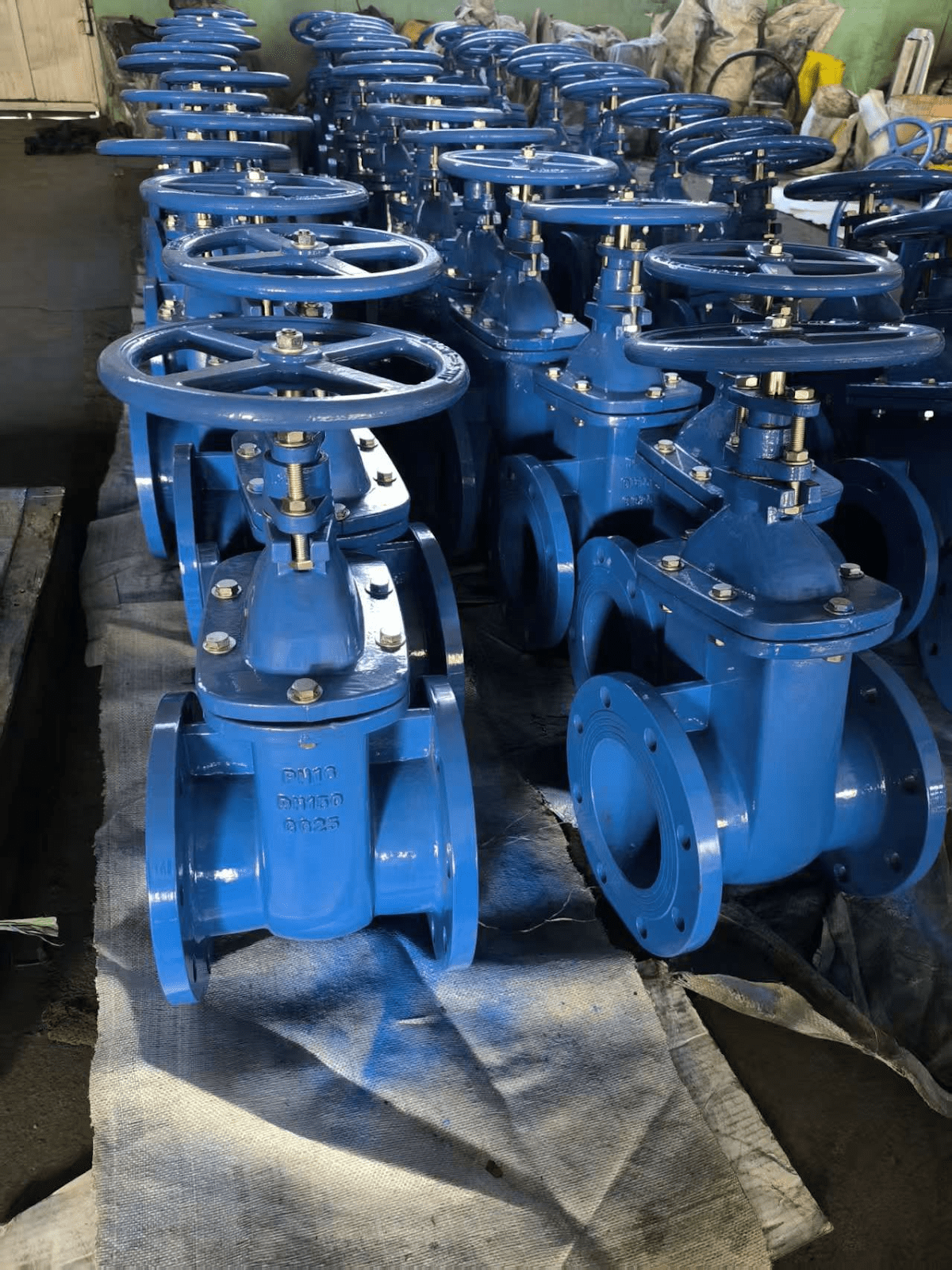
Metal Seated Ball Valves: Sealing Mechanism and Severe Service Use examines a valve design developed for operating conditions where soft-seated valves are not technically suitable. In many industrial process systems, valves are exposed to high temperatures, abrasive media, pressure fluctuations, and frequent cycling that can degrade elastomeric seats. Metal seated ball valves address these challenges through robust sealing concepts and wear-resistant materials. In regulated industrial installations, including those designed and operated under frameworks commonly followed in Europe, these valves are specified based on service severity, reliability expectations, and lifecycle performance rather than cost or general-purpose suitability.
Severe Service Environment Overview
Severe service applications are characterized by operating conditions that exceed normal valve design limits. These conditions are common in sectors such as power generation, refining, petrochemical processing, and mining, where valves are subjected to continuous stress.
Typical severe service characteristics include:
- High operating temperatures beyond elastomer limits
- Abrasive or particulate-laden fluids
- Rapid pressure changes and frequent cycling
- Elevated differential pressures across the valve
In such environments, standard soft-seated designs may suffer from seat erosion, deformation, or thermal damage. Metal seated ball valves are therefore selected for their ability to maintain sealing integrity and dimensional stability under prolonged exposure to harsh conditions. Related system behavior is discussed in internal references covering [severe service valve applications] and [high-temperature process systems].
Sealing Mechanism of Metal Seated Ball Valves
The sealing mechanism of a metal seated ball valve differs fundamentally from that of soft-seated designs. Instead of relying on elastomer compression, sealing is achieved through precision-machined metal-to-metal contact between the ball and seat.
Key aspects of the sealing mechanism include:
- Spring-loaded or pressure-assisted seats that maintain contact under varying conditions
- Hard-facing or coating technologies applied to ball and seat surfaces
- Controlled surface finishes to achieve tight shut-off
As system pressure increases, the seat is often forced against the ball, enhancing the sealing effect. From a valve manufacturer perspective, this design allows the valve to tolerate thermal expansion, erosion, and cycling without significant loss of performance. While metal-to-metal sealing may not always achieve zero leakage in low-pressure service, it provides consistent and predictable performance where soft materials would fail.
Suitability for High-Temperature and Abrasive Service
One of the primary reasons metal seated ball valves are used is their suitability for elevated temperature service. Elastomeric materials have defined temperature limits, beyond which they harden, deform, or degrade. Metal seats, when properly selected, retain their mechanical properties across a much wider temperature range.
Applications where metal seated designs are commonly used include:
- Superheated steam and hot oil systems
- Slurry handling with solid particles
- High-pressure gas service with frequent cycling
In abrasive service, hardened seating surfaces resist wear caused by particles entrained in the flow. This resistance helps maintain sealing geometry over time, reducing the rate of performance degradation. Additional technical discussion is available in internal material on [abrasion-resistant valve design] and [high-temperature flow control].
Materials and Surface Engineering Considerations
Material selection plays a critical role in the performance of metal seated ball valves. Both base materials and surface treatments must be compatible with the process media and operating conditions.
Important considerations include:
- Base materials selected for strength and temperature capability
- Hard-facing alloys or coatings to resist erosion and galling
- Surface finish control to support consistent sealing
Coatings such as tungsten carbide or chromium-based alloys are often applied to seating surfaces to enhance hardness and wear resistance. Industry standards published by API provide guidance on design, testing, and fire-safe requirements for ball valves used in hydrocarbon and severe service applications. Compliance with these standards helps ensure predictable behavior under abnormal conditions.
Operational Challenges and Limitations
While metal seated ball valves offer advantages in severe service, they also present specific operational considerations. Metal-to-metal sealing requires precise alignment and controlled actuation to avoid excessive wear during operation.
Common challenges include:
- Higher operating torque compared to soft-seated designs
- Potential for increased leakage at very low differential pressures
- Sensitivity to debris during initial commissioning
These factors must be considered during specification and system design. In applications where tight shut-off at low pressure is critical, additional design features or alternative valve types may be evaluated. Understanding these limitations helps prevent misapplication and unrealistic performance expectations.
Maintenance and Reliability Aspects
Maintenance strategies for metal seated ball valves focus on preserving seating surface integrity and monitoring actuation performance. Unlike soft seats, metal seats do not require frequent replacement due to thermal damage, but they can be affected by prolonged erosion or improper operation.
Recommended practices include:
- Periodic inspection during planned shutdowns
- Verification of actuation torque and travel
- Monitoring for abnormal vibration or noise
In severe service systems, valves are often installed in locations where unplanned maintenance is difficult. As a valve manufacturer supporting engineered projects in Europe, these reliability considerations are typically addressed during specification review and lifecycle assessment to ensure maintenance intervals align with operational constraints.
Comparison with Soft-Seated Ball Valves
Understanding when to use metal seated versus soft-seated ball valves is essential for proper system design. Soft seats provide excellent sealing at low pressure and torque but are limited by temperature and abrasion resistance.
In contrast:
- Metal seated valves tolerate higher temperatures and abrasive media
- Soft-seated valves offer lower torque and tighter shut-off in clean service
Selecting between these designs depends on a balanced assessment of service conditions rather than preference for a specific valve type. Internal guidance on [ball valve selection criteria] and [seat material limitations] provides further clarification.
Conclusion
Metal seated ball valves are engineered for severe service applications where conventional soft-seated designs are not suitable. Their metal-to-metal sealing mechanism, combined with appropriate materials and surface engineering, enables reliable performance under high temperature, pressure, and abrasive conditions. While they present unique operational and maintenance considerations, their advantages in demanding environments make them a critical component in many industrial systems. At ValvesOnly Manufacturer in Europe, technical evaluations often emphasize matching valve design to actual service severity rather than nominal ratings. A standards-driven, application-focused approach supports long-term reliability without introducing a sales-oriented narrative.