Author: Zeenat
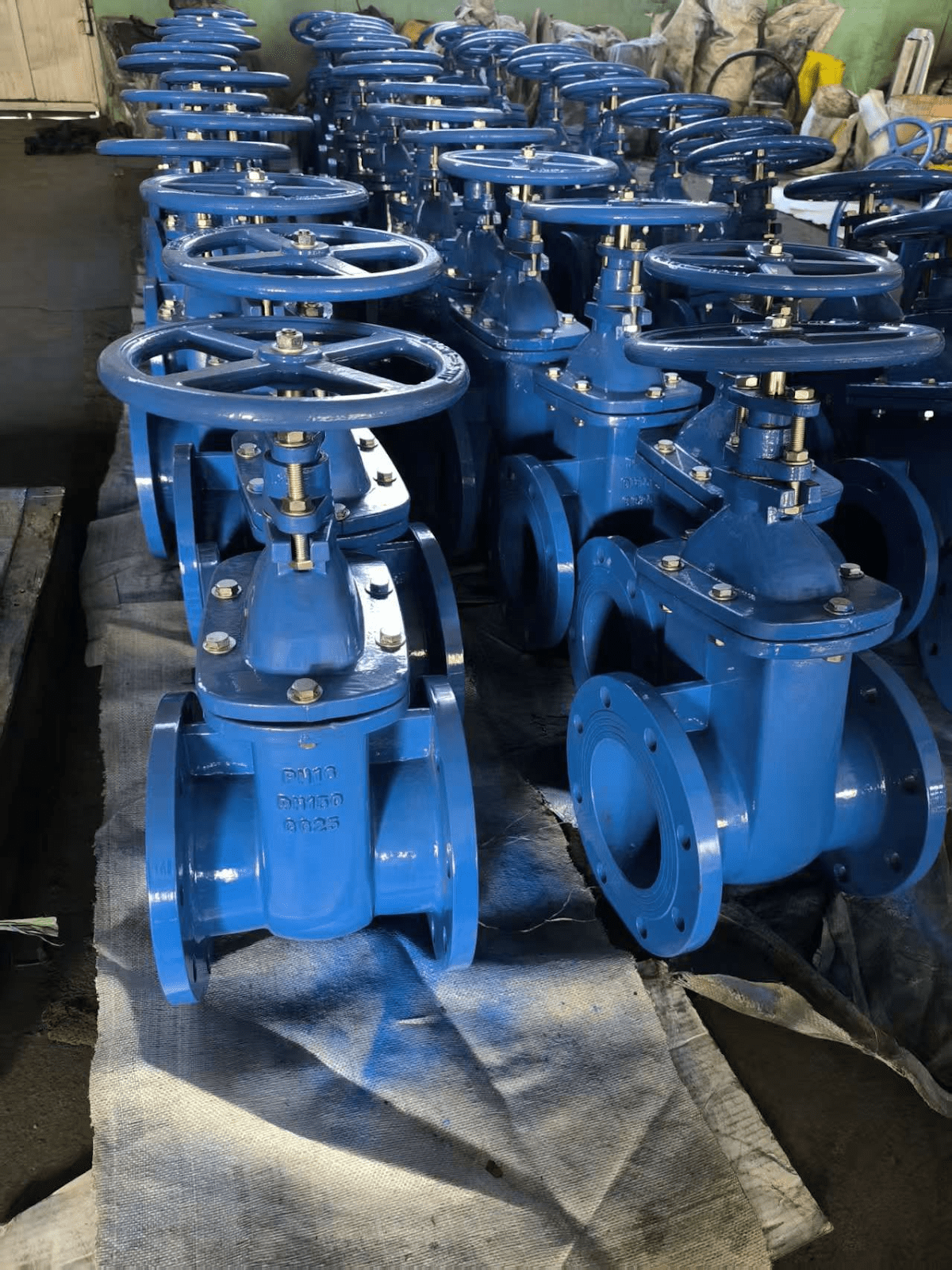
Metal Seated Ball Valves: Sealing Mechanism and Severe Service Use
Metal Seated Ball Valves: Sealing Mechanism and Severe Service Use examines a valve design developed for operating conditions where soft-seated valves are not technically suitable. In many industrial process systems, valves are exposed to high temperatures, abrasive media, pressure fluctuations, and frequent cycling that can degrade elastomeric seats. Metal seated ball valves address these challenges
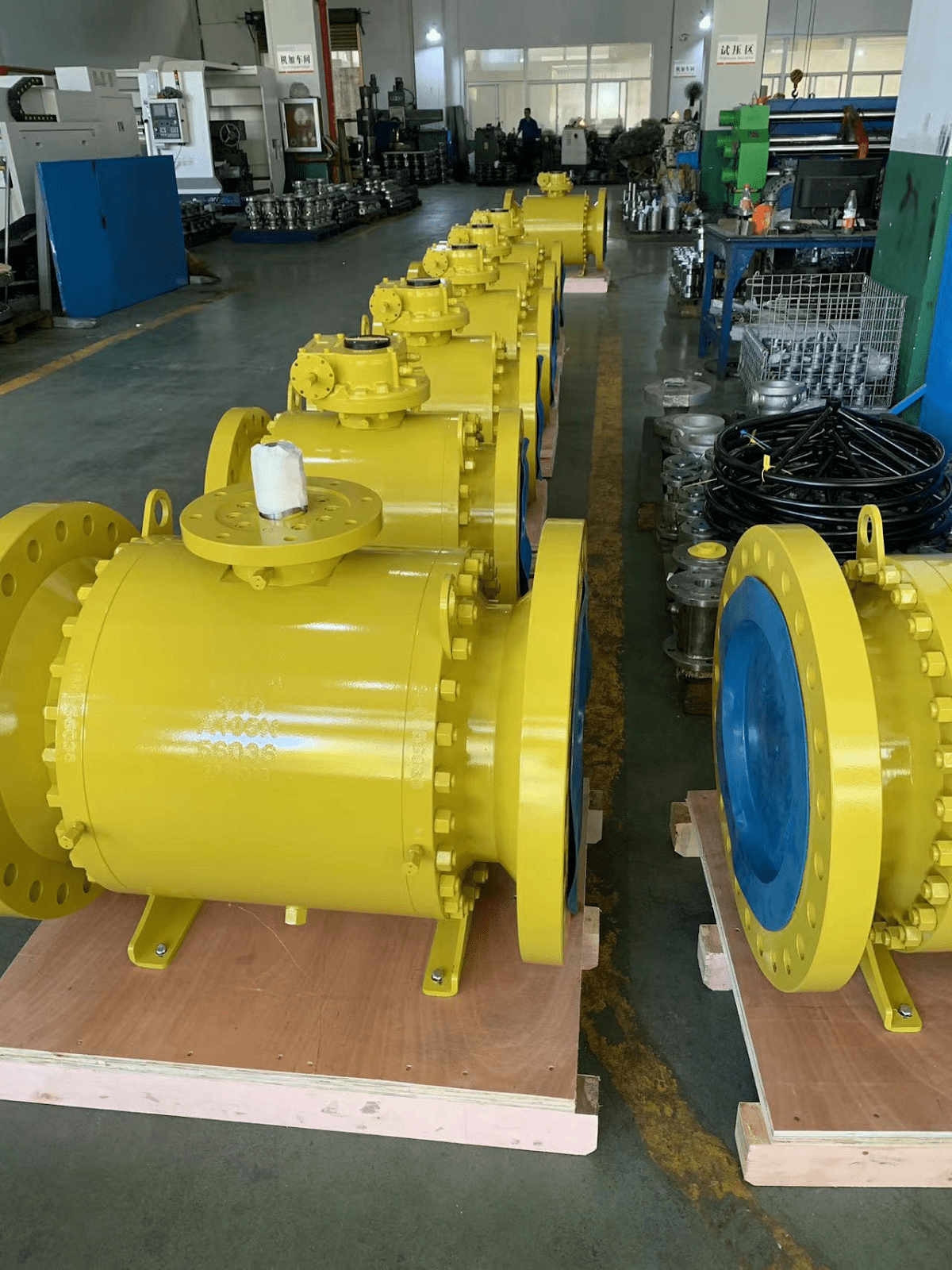
Valves Used in Offshore Oil and Gas Facilities
Valves Used in Offshore Oil and Gas Facilities are critical components that ensure safe flow control, isolation, and pressure management in some of the most demanding operating environments. Offshore platforms operate under high pressure, corrosive conditions, continuous vibration, and limited maintenance access, making valve reliability a core safety concern rather than a procurement decision. These
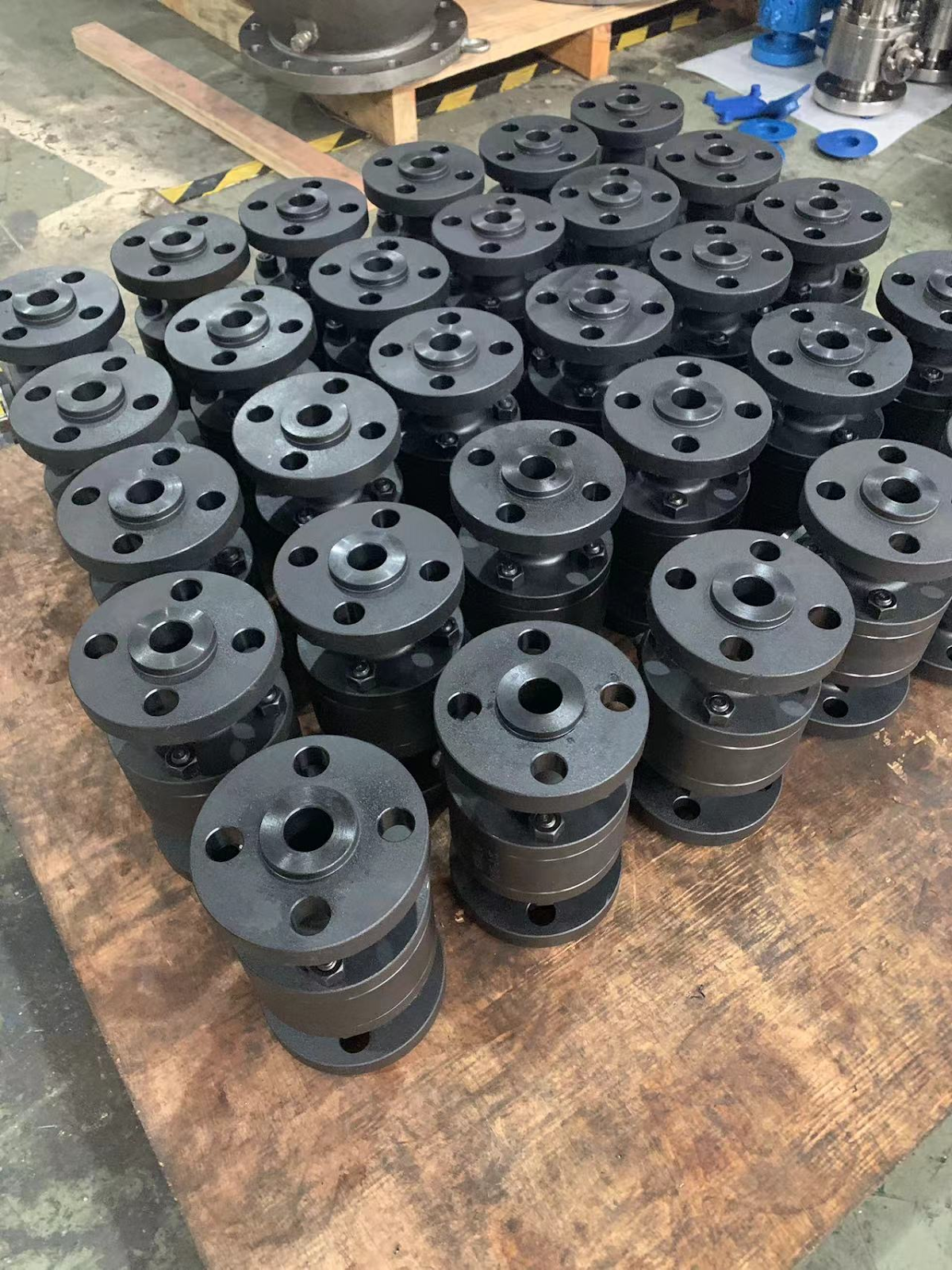
Common Causes of Valve Leakage in Process Systems
Common Causes of Valve Leakage in Process Systems are closely linked to how valves are specified, installed, operated, and maintained over time. Leakage does not always indicate a manufacturing defect; in many cases, it is the result of service conditions that exceed design assumptions or gradual degradation under normal operation. Process industries handle a wide
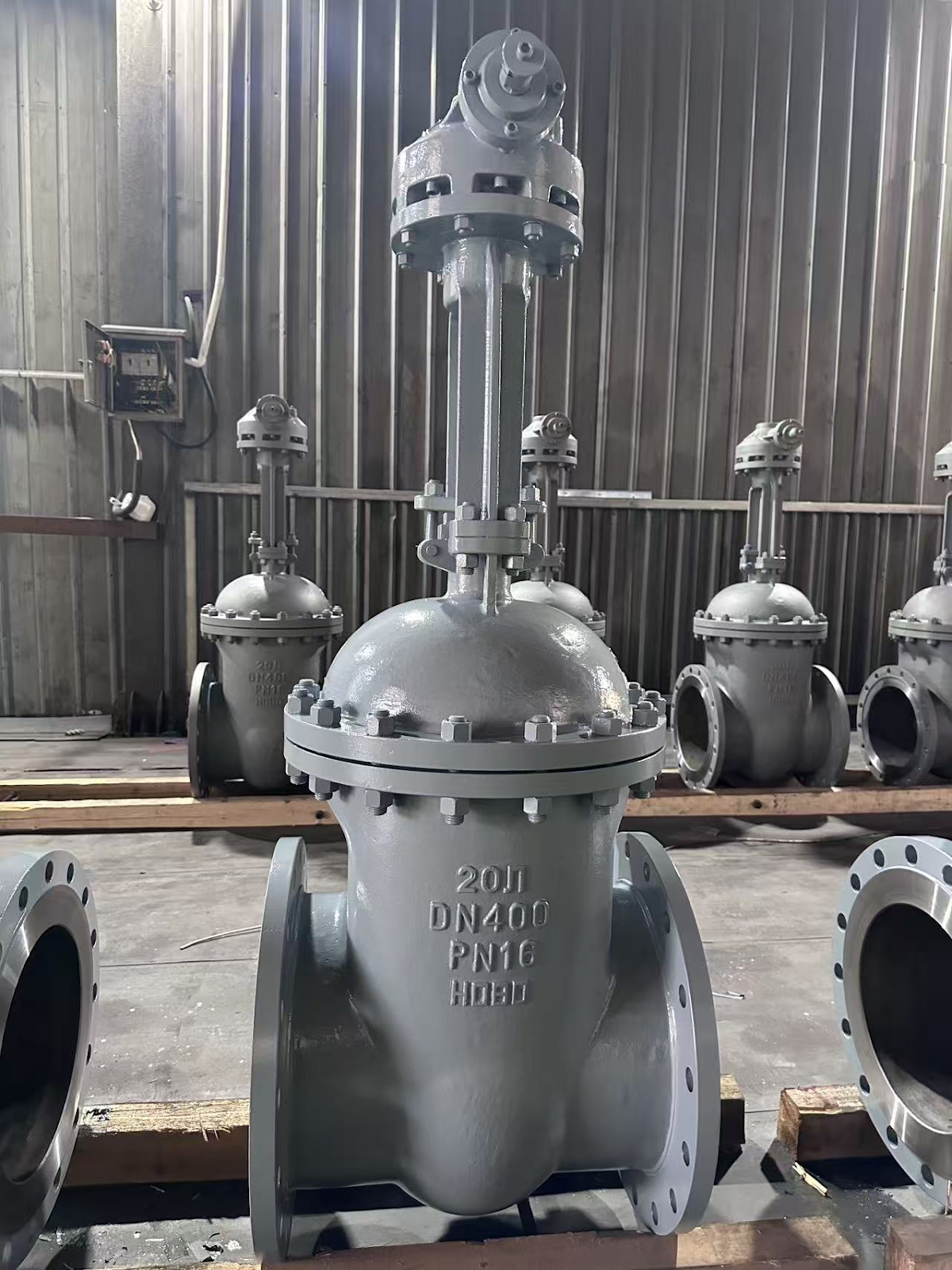
Valves Used in Water Supply Systems
Valves Used in Water Supply Systems are essential components that regulate, isolate, and protect pipelines carrying potable and raw water from source to end users. These systems operate across varied pressure zones, elevations, and flow demands, requiring valves to perform reliably over long service lives with minimal intervention. Unlike industrial process plants, water networks emphasize

Single Offset vs Double Offset vs Triple Offset Butterfly Valves – What’s the Difference?
In corrosive environments involving seawater, brine, acids, caustics, hydrocarbons, or chemical slurries, valve materials and seating mechanisms must deliver long-term durability. Offset butterfly valves are designed to reduce contact between the disc and seat, minimizing wear and extending operating life. Materials used for corrosive applications include: Understanding the offset configuration helps determine which material and
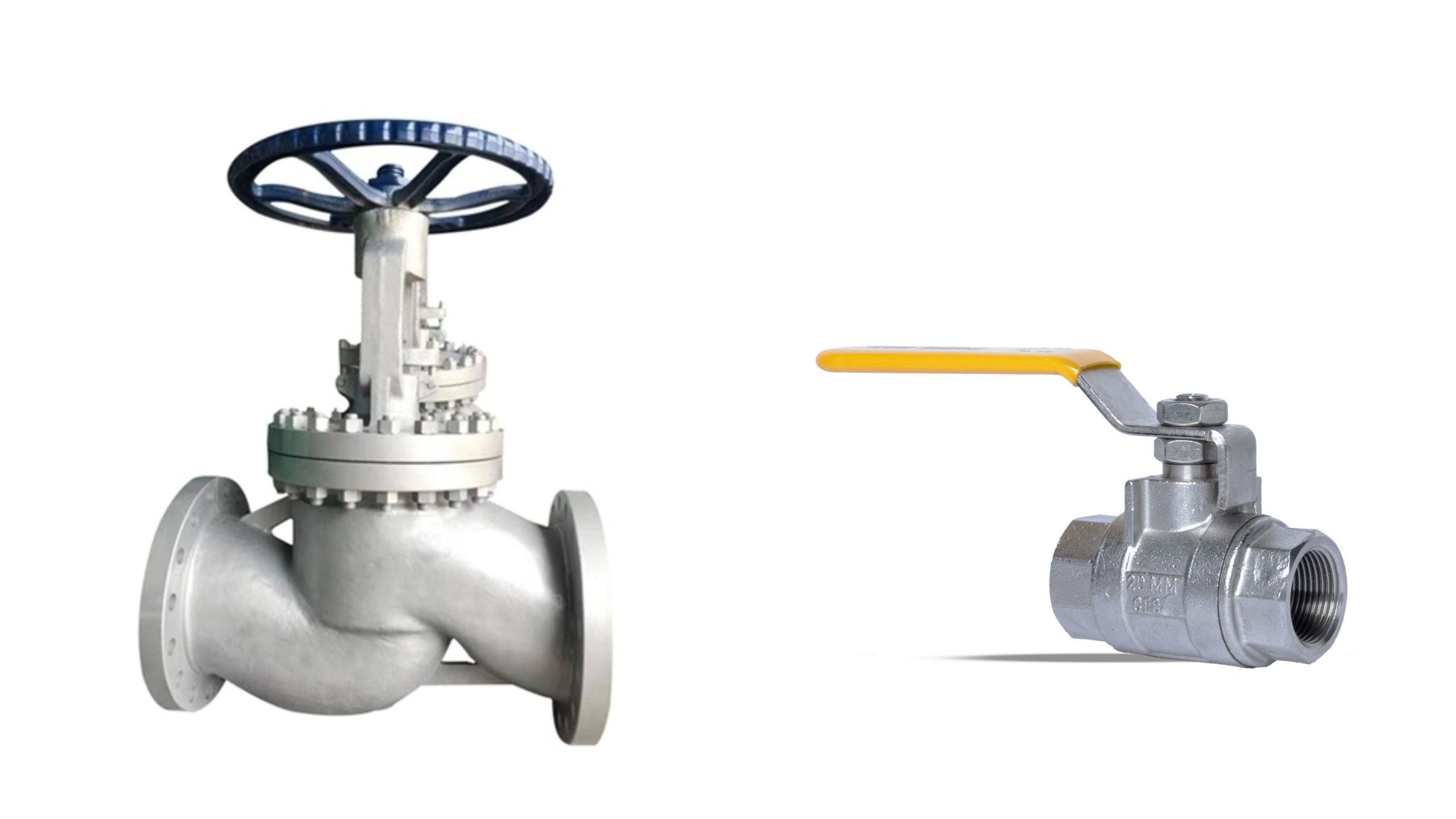
Globe Valve vs Ball Valve for Flow Control Applications: A Complete Comparison
Backflow problems, pressure instability, and irregular flow control often lead to system inefficiencies and costly downtime. Industries handling steam, chemicals, or corrosive fluids frequently evaluate valve types based on performance, safety, and flow behavior. In this blog, we will be discussing Globe Valve vs Ball Valve, a detailed comparison often searched by engineers working with
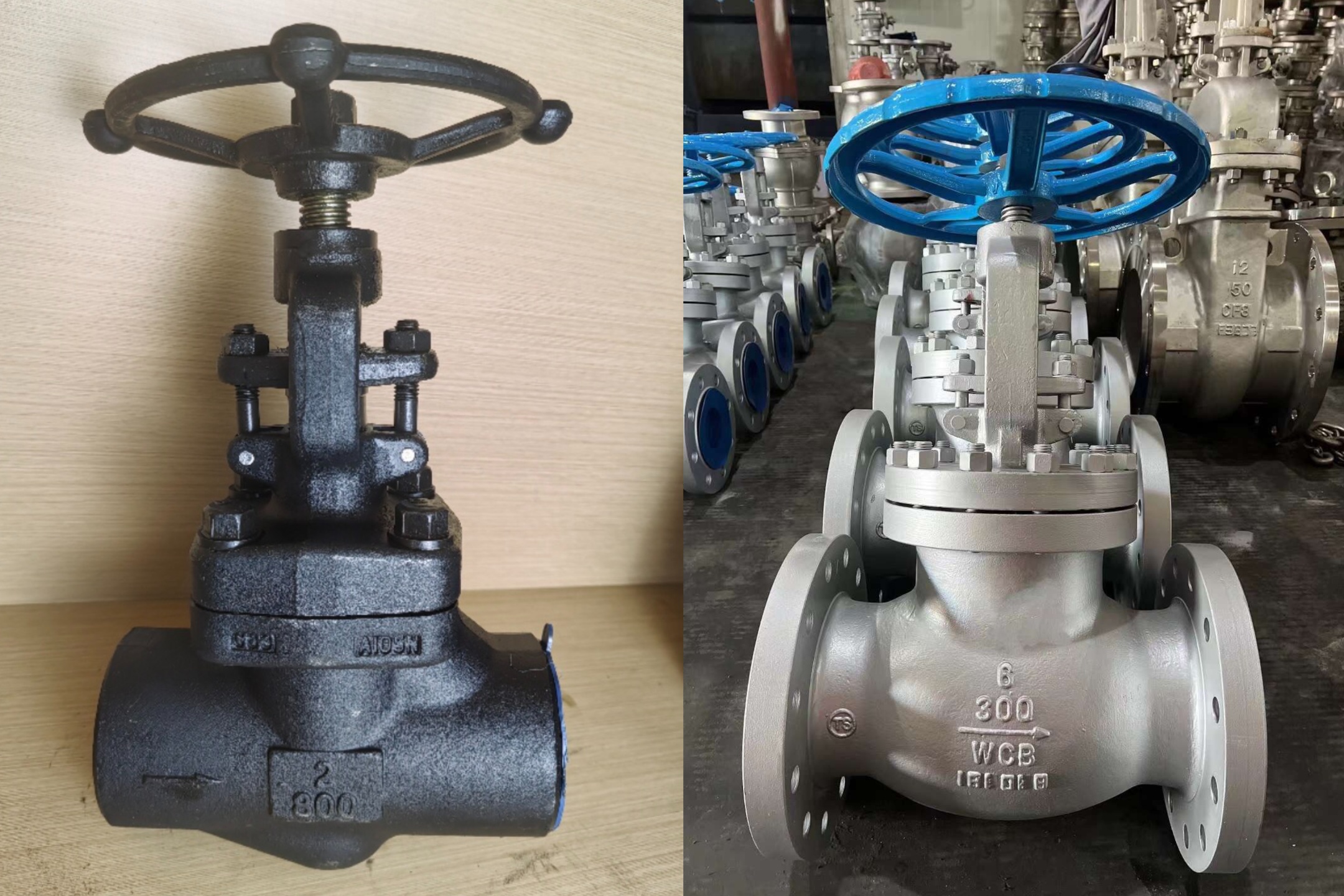
Forged vs Cast Valves: Differences, Strength & Applications for Corrosive Environments
In this blog, we will be discussing Forged vs Cast Valves-two valve manufacturing methods that are often evaluated side-by-side when selecting equipment for demanding industrial processes. But before we get into the materials and mechanical performance, it’s important to highlight the real concerns engineers deal with daily: backflow issues, pressure spikes, valve orientation limitations, and
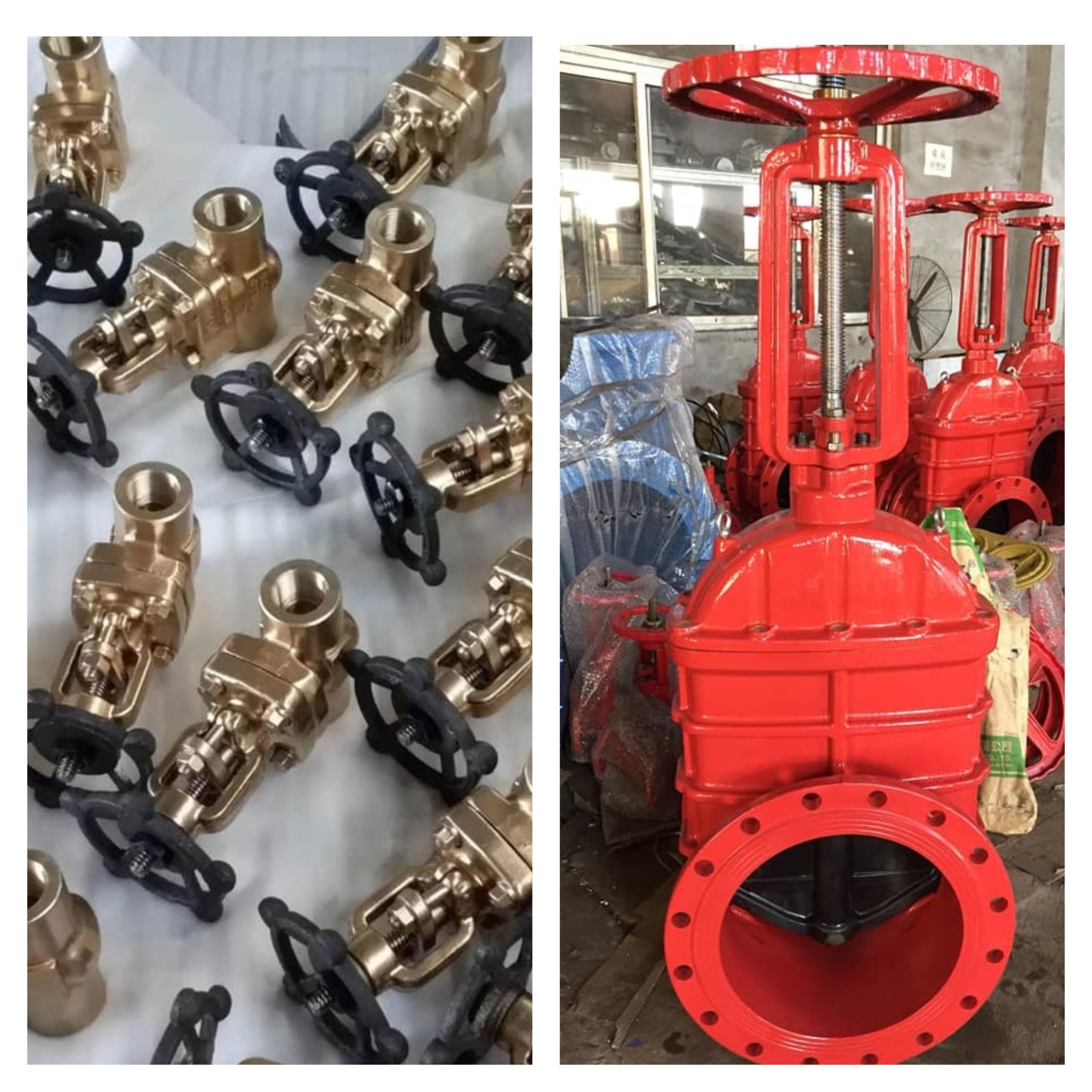
Rising Stem vs Non-Rising Stem Gate Valve Material Benefits for Corrosive Applications
In this blog, we will be discussing Rising Stem vs Non-Rising Stem Gate Valve, a comparison that matters deeply for corrosive service industries. But before going into technical specifications, let’s slow down and address one of the biggest challenges plant operators face today: backflow problems and sudden pressure fluctuations that can compromise safety. Many failures

Valve Certification Standards in Europe: ISO, API, and PED Explained
A single valve failure can compromise plant safety, interrupt operations, and cause costly downtime. Backflow, leakage, contamination, uncontrolled pressure surges, or unplanned shutdowns can escalate into severe operational risks. This is why selecting valves that comply with the correct European certification standards is not simply a regulatory formality, it is a fundamental requirement for mechanical
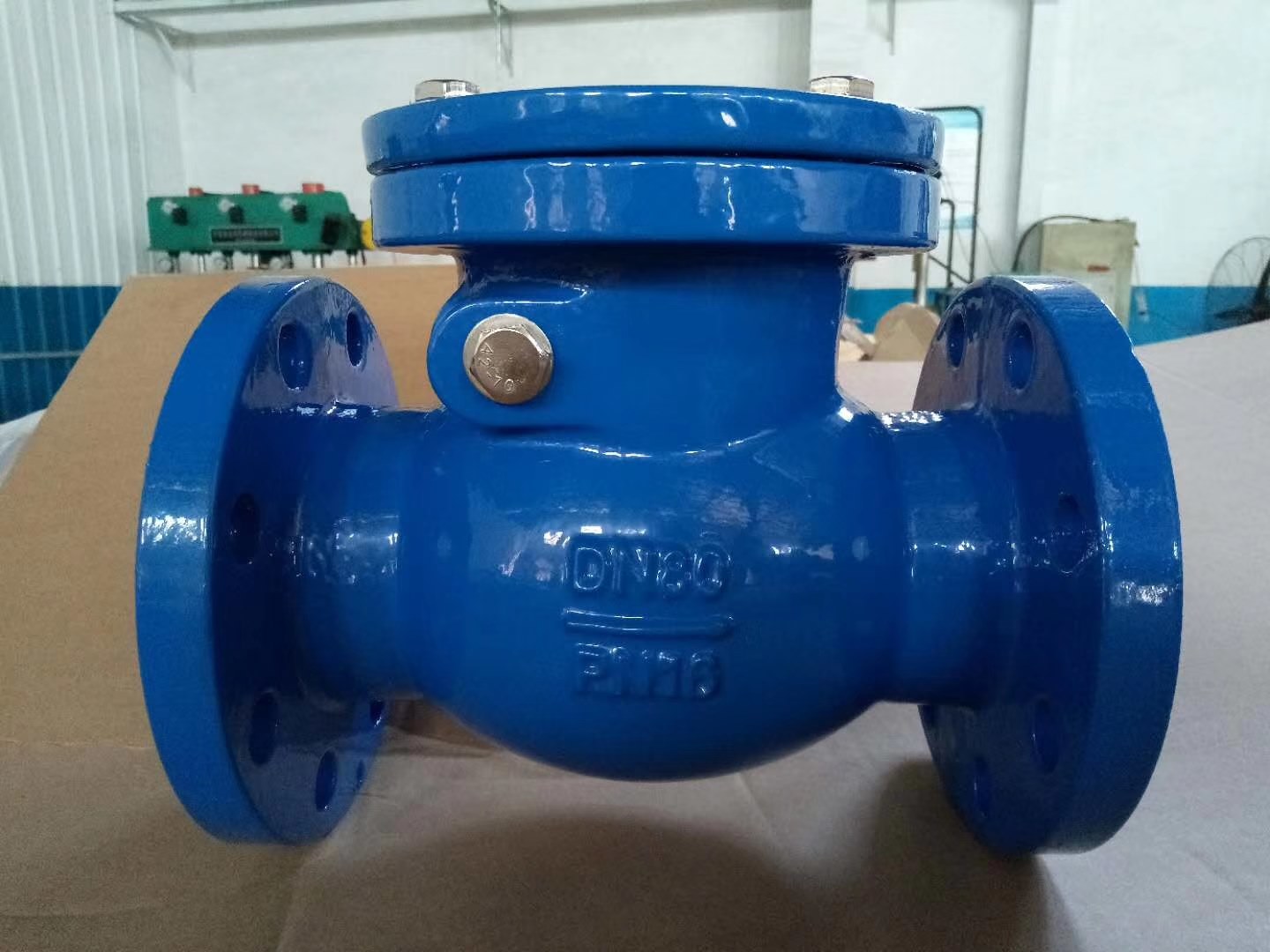
Check Valve vs Non-Return Valve – Are They the Same Thing?
In this blog, we’re exploring one of the most common confusions in fluid control systems – Check Valve vs Non-Return Valve. If you’ve ever dealt with backflow problems, pressure fluctuations, or unplanned shutdowns in a pipeline, you already know how critical these valves are for system safety and efficiency. Both valves perform the same essential
- 1
- 2