We deliver to you every day from 7:00 to 23:00
In this blog, we will explore how Plug Valves work, their flow direction and mechanism, key types, materials and pressure classes, design and testing standards, common applications, and practical installation and maintenance insights. Valves Only Europe, a trusted manufacturer of Plug Valves in Europe, specializes in producing precision-engineered Plug Valves that provide consistent performance in demanding industrial systems.
When unexpected pressure surges, leaks, or backflow issues disrupt industrial operations, choosing the right flow control component is crucial. One valve that stands out for its simple and effective design is the Plug Valve. Known for smooth flow control and minimal pressure drop, Plug Valves are commonly used in oil, gas, chemical, and water treatment systems.
What Are Plug Valves and How Do They Work?
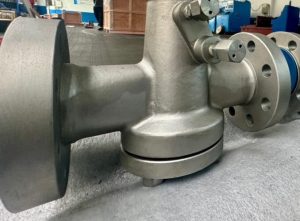
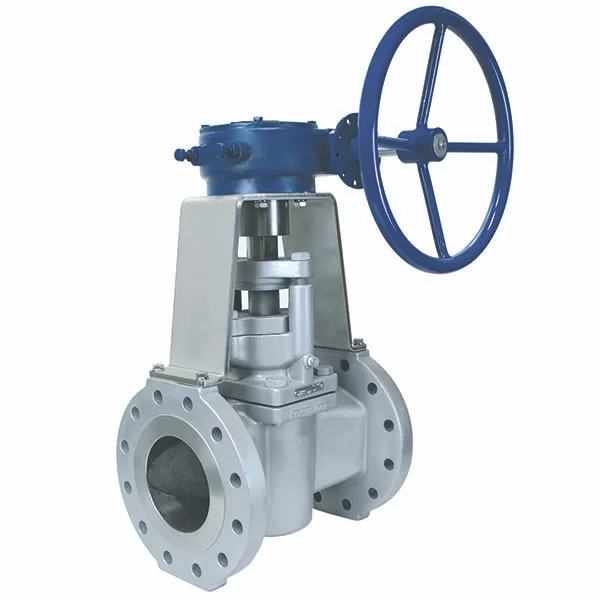
A Plug Valve is a quarter-turn valve that controls the flow of liquids or gases through a cylindrical or conically tapered plug with a hole in the center. When the handle or actuator rotates the plug by 90 degrees, the passage aligns with the pipe to allow flow. Rotating it back blocks the passage, stopping the flow instantly.
This straightforward mechanism makes Plug Valves an excellent choice for applications where tight shutoff and quick operation are needed. The valve’s straight-through design encourages smooth media flow, reducing pressure drop and turbulence. Depending on the configuration, Plug Valves can provide either on/off service or throttling control.
Flow Direction and Mechanism
Plug Valves usually allow fluid to flow in both directions. However, for some lubricated or non-lubricated designs, flow direction may be limited to ensure proper sealing.
The working mechanism involves:
- Plug movement: A rotating plug (either cylindrical or conical) acts as the closure element.
- Sealing: The plug’s contact surface with the body forms a tight seal, preventing any backflow.
- Operation: A quarter-turn of the handle or actuator switches the valve position from open to closed.
This design allows easy operation, even under high pressure, making Plug Valves particularly effective for handling thick fluids or slurries without clogging.
Types of Plug Valves
1. Lubricated Plug Valves: These valves use a special lubricant (often grease or sealant) injected between the plug and body seat to reduce friction and wear. They are suitable for high pressure and high-temperature environments, such as oil refineries and petrochemical plants.
2. Non-Lubricated Plug Valves: Instead of lubricant, these valves use a sleeve or lining made from PTFE or other resilient materials. They require low maintenance and are ideal for systems carrying corrosive or hazardous fluids.
3. Eccentric Plug Valves: Designed with an offset plug, this type reduces seat wear and offers a tighter seal during operation. They are commonly used in wastewater and slurry systems.
4. Expanding Plug Valves: These come with a mechanically expanding plug that provides a positive seal both upstream and downstream. They are ideal for applications that require zero leakage and bubble-tight shutoff.
Materials and Pressure Classes
At Valves Only, we manufacture Plug Valves from various materials to suit different industrial conditions:
- Carbon Steel (WCB) for general-purpose industrial use.
- Stainless Steel (CF8, CF8M) for corrosive media.
- Duplex and Super Duplex (F51, F53) for aggressive chemicals and marine applications.
- Alloy Steels and Bronze for high-pressure or temperature-sensitive systems.
Our Plug Valves are available in pressure classes ranging from ASME Class 150 to 2500, ensuring they are compatible with a variety of operating pressures.
Design and Testing Standards
Every Plug Valve we make follows recognized standards for design, testing, and quality control. Key standards include:
- Design: API 599 / API 6D
- Testing: API 598 / ISO 5208
- Face-to-Face Dimensions: ASME B16.10
- End Connections: ASME B16.5, B16.25, B16.11
All valves undergo thorough hydrostatic and pneumatic testing to ensure their sealing integrity and functional performance under working conditions.
Common Applications of Plug Valves
Plug Valves are widely used in industries that require reliable flow isolation and control. Common applications include:
- Oil and gas pipelines
- Chemical and petrochemical processing
- Water treatment and desalination systems
- Power generation and steam services
- Pulp and paper processing
- Mining and slurry transport
Their simple design and quick shutoff capability make them highly adaptable to automated control systems.
Plug Valves Installation Tips
Proper installation and maintenance directly affect how long a Plug Valve performs optimally. Here are some key practices:
1. Valve Orientation: Install the valve in a position that supports natural drainage and allows easy access for inspection. Ensure correct alignment with the pipeline to prevent stress on the valve body.
2. Avoiding Backflow Issues: For critical lines, use valves with double block and bleed features or check valve combinations to prevent reverse flow.
3. Managing Pressure Drop: Select the right bore size and type (full or reduced port) based on system pressure and flow rate. This helps minimize flow resistance and energy loss.
4. Regular Valve Inspection: Schedule periodic inspections to check for wear, seat damage, or scoring on the plug. For lubricated designs, replenish the sealing compound according to manufacturer guidelines.
5. Preventing Seizing and Leakage: Operate the valve occasionally, even when not in use, to prevent the plug from sticking and maintain smooth rotation. Replace worn sleeves or seals promptly.
Why Plug Valves Are Vital in Industries
In modern industrial operations, Plug Valves are crucial for maintaining system performance and minimizing downtime. Their compact structure, quarter-turn action, and ability to handle corrosive or thick media make them essential in sectors like oil and gas, water treatment, and power generation.
Their flexibility with different flow directions and compatibility with a wide range of materials make Plug Valves a preferred choice where process integrity and precise flow control are important.
Why Choose Valves Only Europe for Plug Valves
As a specialized manufacturer of Plug Valve by Valves Only Europe designs and produces valves that are performance-driven and engineered to deliver long-term performance in critical operations. Our Plug Valves are created to maintain accurate flow control, withstand high pressures, and operate smoothly in challenging environments.
We are not just suppliers, we partner with industries to deliver reliable flow control solutions tailored to their specific process needs. Whether it’s for oil, gas, or water service, our products provide consistent performance and reduce maintenance challenges.
If you want to improve system performance or avoid backflow issues, share your process medium and pressure details with our engineering team. We will help you choose the best Plug Valve for your operation, one that fits your system, minimizes downtime, and maintains performance with confidence.
Recent Posts
- Pressure Relief Valves vs Safety Valves – When and How to Use Them
- Plug Valves – Design, Types, and Typical Applications Explained
- Understanding Valve End Connections – Flanged, Threaded, Socket Weld and Butt Weld
- How to Prevent Backflow: The Role of Check Valves in Industrial Systems
- Gate Valve vs Ball Valve – Pressure Drop, Flow Control & Maintenance Compared