We deliver to you every day from 7:00 to 23:00
Pressure Relief Valves vs Safety Valves – When and How to Use Them
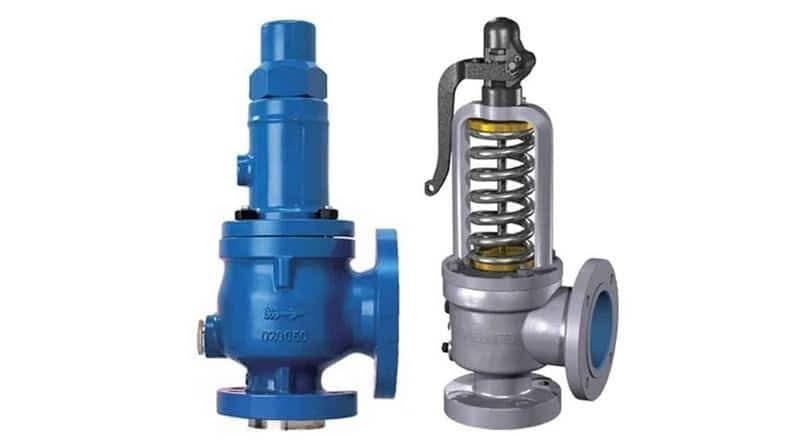
In this Blog, we’ll talk about Pressure Relief Valves vs Safety Valves, two essential valve types that protect pressurized systems from dangerous overpressure. We will talk about why these valves are often compared, how they differ in function, and which one suits your specific system needs. Whether you’ve dealt with backflow issues, pressure drops, or unplanned shutdowns, understanding these valves can help you maintain consistent performance over time.
Both valves play a vital role in protecting industrial equipment, but their design and application differ depending on the medium – liquid or gas. In this blog, we’ll cover their differences, flow behavior, cost factors, and maintenance best practices to help you choose wisely.
Why These Valves Are Often Compared
The confusion between Pressure Relief Valves (PRVs) and Safety Valves arises because both are designed to prevent system overpressure. Yet, their application and behavior under pressure differ:
- Safety Valves are used in compressible media (gas, steam, or air). They act instantly to release excess pressure.
- Pressure Relief Valves are used in liquid systems, opening gradually to maintain pressure balance and system stability.
Both serve the same goal – to protect pipelines, vessels, and operators from pressure-related damage – which is why they are often discussed together.
Design and Operation Difference
While both are pressure protection devices, their mechanical designs define how they respond to pressure changes:
- A Safety Valve works on a spring-loaded mechanism that opens instantly when pressure exceeds its set point. Once the pressure drops, it reseats quickly to stop the flow.
- A Pressure Relief Valve opens gradually as liquid pressure builds, releasing fluid steadily to bring pressure back to safe levels before closing again.
Our Pressure Relief Valves vs Safety Valves are engineered to deliver consistent performance and minimize stress on system components, improving both safety and equipment life.
| Understanding the Variations | ||
| Aspect | Pressure Relief Valve (PRV) | Safety Valve |
| Working Principle | Opens proportionally as liquid pressure rises beyond the set point. | Opens instantly at the set pressure to vent gas or vapor. |
| Application Medium | Ideal for liquids such as oil, water, and chemicals. | Used for gases, steam, and compressed air systems. |
| Response Type | Gradual and controlled discharge of fluid. | Rapid “pop-type” opening for quick pressure release. |
| Reseating Behavior | Closes slowly after pressure normalizes. | Snaps shut instantly once system returns to normal. |
| Typical Industries | Chemical, hydraulic, water treatment, refining. | Boiler, gas, and power generation industries. |
The flow behavior of each valve determines how it manages system safety:
- Safety Valves have a fast-acting flow characteristic, designed to vent gases immediately during a pressure spike. This prevents catastrophic failure in steam or air systems.
- Pressure Relief Valves feature a smooth, controlled discharge, ideal for systems that require gradual release to avoid pressure drop or fluid hammering.
Both valves maintain stable system operation by preventing overpressure and avoiding backflow-related failures.
Common Applications
These valves are widely used across industries to maintain operational safety:
- Pressure Relief Valves: Hydraulic systems, water treatment plants, chemical reactors, refinery units, and fuel handling systems.
- Safety Valves: Steam boilers, gas compressors, air receivers, power generation plants, and gas distribution networks.
At Valves Only Europe – We design both types of valves to meet demanding industrial standards, delivering long-term protection for critical systems.
Maintenance tip: Regular valve inspection, spring checks, and seat cleaning prevent internal leakage, corrosion, or sluggish operation – all of which can lead to performance issues.
Failure Prevention
Proper maintenance directly impacts valve performance and system safety. Neglecting inspection or incorrect installation can result in dangerous failures. Here’s how to prevent them:
- Valve Orientation: Install valves vertically to maintain proper spring alignment and function.
- Avoid Backflow: Ensure correct seat placement and flow direction during installation.
- Pressure Calibration: Test valve opening pressure periodically to maintain accuracy.
- Routine Inspection: Check for corrosion, dirt buildup, or spring wear.
- Material Compatibility: Match valve materials to the process medium to prevent chemical degradation.
Our valves are designed to deliver consistent operation even in demanding conditions, minimizing downtime and extending service life.
When to Choose Which Valve
Choosing between the two depends on your system medium and pressure behavior:
- Choose a Safety Valve when working with gases, steam, or air – where immediate relief is critical to prevent explosions or equipment failure.
- Choose a Pressure Relief Valve when handling liquids – where slow, controlled pressure management ensures stability and prevents damage to pumps or seals.
Our engineers can help you evaluate your system’s pressure profile and operating medium to recommend the right valve configuration for your needs.
Which Valve Is Ideal and When
Each valve has its strength:
- Safety Valves excel in protecting gas or vapor systems that experience sudden overpressure.
- Pressure Relief Valves work best in liquid systems that need gradual discharge to avoid surges or cavitation.
Neither is superior – both are critical in their respective domains.
Pressure Relief Valves vs Safety Valves: Installation and Maintenance Tips
For smooth operation and longer service life, follow these best practices:
- Proper Valve Orientation: Always install valves upright for accurate spring performance.
- Avoid Backflow Issues: Use check devices or correct seat alignment to prevent reverse flow.
- Monitor Pressure Drop: Keep inlet lines free of obstructions for efficient pressure response.
- Schedule Valve Inspection: Conduct performance tests annually to maintain reliability and compliance.
At Valves Only Europe, we design valves to maintain optimal flow control while minimizing maintenance interruptions.
Both Pressure Relief Valves and Safety Valves play vital roles in protecting pressurized systems from failure. While their working principles differ – one gradual, the other instantaneous – both are essential for maintaining safety and operational efficiency.
Whether you operate a refinery, boiler plant, or water system, the right valve ensures safety, longevity, and reduced downtime.
At Valves Only Europe – We manufacture our Pressure Relief Valves vs Safety Valves to deliver dependable protection for every industry. Whether your system handles oil, gas, or water, our products guarantee consistent performance and prevent costly system failures.
Recent Posts
- Pressure Relief Valves vs Safety Valves – When and How to Use Them
- Plug Valves – Design, Types, and Typical Applications Explained
- Understanding Valve End Connections – Flanged, Threaded, Socket Weld and Butt Weld
- How to Prevent Backflow: The Role of Check Valves in Industrial Systems
- Gate Valve vs Ball Valve – Pressure Drop, Flow Control & Maintenance Compared