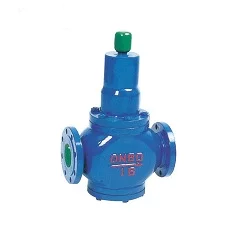
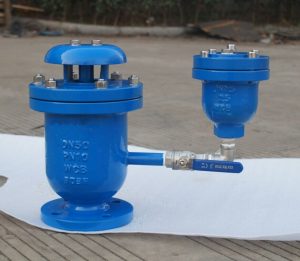
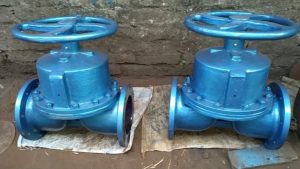
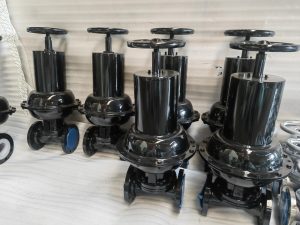
Our Shop
Contact us for all your questions and requirements
Pressure Reducing Valve Manufacturer in Germany
Uncontrolled pressure can disrupt downstream processes and damage critical equipment, especially in systems handling steam, water, or high-pressure fluids. Pressure reducing valves ensure consistent outlet pressure by automatically adjusting flow based on system demand.
ValvesOnly Europe manufactures pressure reducing valves engineered for accurate pressure regulation and stable performance across industrial applications. As a Pressure Reducing Valve Manufacturer in Germany, the valves are built to EN standards with focus on responsiveness, durability, and long-term operational reliability.
Working Principle of Pressure Reducing Valve
Pressure reducing valves automatically control downstream pressure by adjusting the valve opening in response to system conditions. When outlet pressure rises above the set value, the valve restricts flow; when it drops, the valve opens to maintain balance.
This self-regulating mechanism ensures consistent pressure without requiring continuous external control.
Advantages of Pressure Reducing Valves in Industrial Applications
- Maintains stable downstream pressure under varying inlet conditions
- Protects pipelines and equipment from overpressure damage
- Improves system efficiency and operational safety
- Reduces pressure fluctuations in process lines
- Suitable for steam, water, and gas applications
Types of Pressure Reducing Valves Offered
Pressure reducing valve selection depends on media type, pressure range, and control requirements.
- Direct Acting Pressure Reducing Valve – Compact design suitable for low-flow and point-of-use applications
- Steam Pressure Reducing Valve – Designed for high-temperature steam systems with stable pressure control
- Water Pressure Reducing Valve – Used in water distribution systems to maintain consistent pressure
- Pilot Operated Pressure Reducing Valve – Suitable for high-flow applications requiring precise pressure regulation
- Pressure Relief Valve – Protects systems by releasing excess pressure beyond set limits
- Float Control Valve – Maintains liquid levels in tanks and reservoirs through automatic control
Pressure Reducing Valve Design Standards (EN / DIN)
- EN 1567 – Pressure reducing valve standard
- EN 558 – Face-to-face dimensions
- DIN standards for industrial valve construction
Inspection and Testing Standards for Pressure Reducing Valves
- EN 12266 – Pressure testing
- ISO 5208 – Leakage testing
- Functional testing for pressure regulation performance
Body and Trim Material Compatibility
Material selection depends on pressure range, temperature, and media characteristics, particularly in corrosive and high-temperature environments.
| Material | European Grade | Typical Applications |
|---|---|---|
| Stainless Steel | EN 1.4408 / 1.4404 | Chemical processing, water systems |
| Carbon Steel | EN 1.0619 / 1.0618 | Oil and gas, high-pressure service |
| Duplex Stainless Steel | EN 1.4462 | Corrosive and offshore environments |
| Super Duplex Stainless Steel | EN 1.4410 | High chloride and aggressive media |
| Alloy 20 | EN 2.4660 | Acidic chemical processing |
| Hastelloy | EN 2.4819 / 2.4602 | Severe corrosion resistance applications |
| Inconel | EN 2.4816 / 2.4856 | High-temperature service |
| Incoloy | EN 1.4876 / 2.4858 | Elevated temperature systems |
| Titanium | EN 3.7035 / 3.7165 | Seawater and highly corrosive environments |
Industrial Applications of Pressure Reducing Valves
- Oil and Gas Processing – Pressure control in pipeline systems
- Power Generation – Steam pressure regulation
- Petrochemical Plants – Process pressure stabilization
- Water and Wastewater – Distribution pressure control
- Chemical Processing – Controlled pressure handling in reactive media
- Marine and Offshore – Pressure regulation in fluid systems
Special Features and Customization Options
- Adjustable pressure settings for different operating ranges
- Pilot-operated designs for high-accuracy control
- Configurations for steam, water, and gas service
- Custom end connections for pipeline compatibility
- Options for vertical and horizontal installations
Stable pressure control depends on selecting the correct valve design based on inlet conditions, required outlet pressure, and flow characteristics.
Showing all 7 results
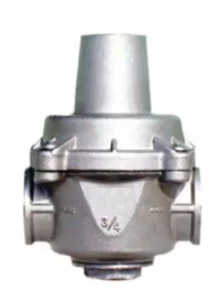
Direct Acting Pressure Reducing Valve
Price range: €1,030.00 through €2,087.00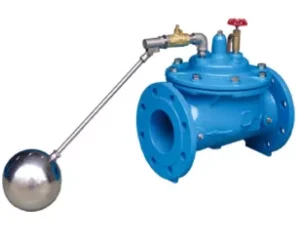
Float Control Valve
Price range: €301.00 through €1,933.00
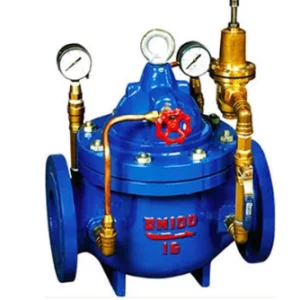
Pressure Reducing Valve
Price range: €238.32 through €334.29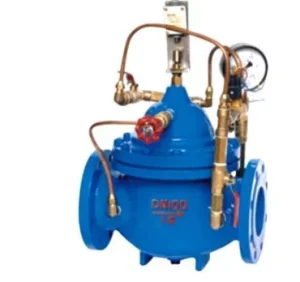
Pressure Relief Valve
Price range: €347.00 through €2,101.00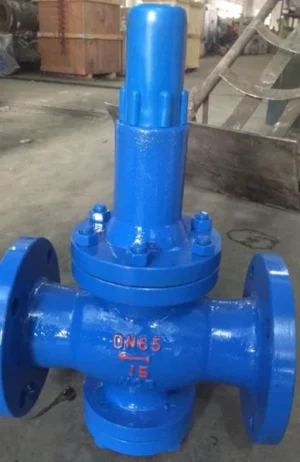
Steam Pressure Reducing Valve
Price range: €260.60 through €674.90