Valves Used in Water Supply Systems
Valves Used in Water Supply Systems are essential components that regulate, isolate, and protect pipelines carrying potable and raw water from source to end users. These systems operate across varied pressure zones, elevations, and flow demands, requiring valves to perform reliably over long service lives with minimal intervention. Unlike industrial process plants, water networks emphasize durability, low maintenance, and consistent hydraulic performance. In large municipal and utility-driven projects, particularly across regulated infrastructure in Europe, valve selection is closely tied to system design, operational safety, and long-term asset management rather than short-term cost considerations.
Overview of Water Supply Networks
Water supply systems typically consist of transmission mains, distribution pipelines, pumping stations, reservoirs, and treatment facilities. Valves are installed throughout these networks to control flow, isolate sections during maintenance, and protect equipment from abnormal operating conditions.
Key functions of valves in water networks include:
- Isolating pipeline sections for repair or inspection
- Regulating flow and pressure across zones
- Preventing reverse flow that could damage pumps
- Releasing trapped air to maintain hydraulic efficiency
Because these systems often span large geographic areas, valves must operate reliably even when access is limited. Design simplicity and proven performance are therefore critical factors in valve selection. Additional context on network components is discussed in related resources covering [water transmission pipelines] and [municipal distribution systems].
Operating Conditions and System Challenges
Although water is a relatively non-aggressive medium, water supply systems present unique challenges for valve operation. Pipelines may experience wide pressure variations due to elevation changes, pump start-stop cycles, and fluctuating demand patterns.
Common operating challenges include:
- Pressure surges and water hammer, especially near pumping stations
- Low-flow conditions that can affect valve seating
- Entrained air, leading to reduced flow efficiency and vibration
- Long static periods, where valves remain open or closed for extended durations
From a valve manufacturer perspective, these factors influence decisions related to valve type, sealing method, and actuation. Valves must maintain tight shut-off and smooth operation even after long periods without cycling.
Common Valve Types Used in Water Supply Systems
Water supply networks use a range of valve designs, each selected based on location and function within the system. No single valve type is sufficient for all applications, and effective system design relies on appropriate distribution of valve functions.
Commonly used valve types include:
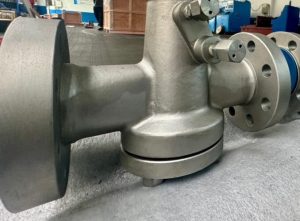
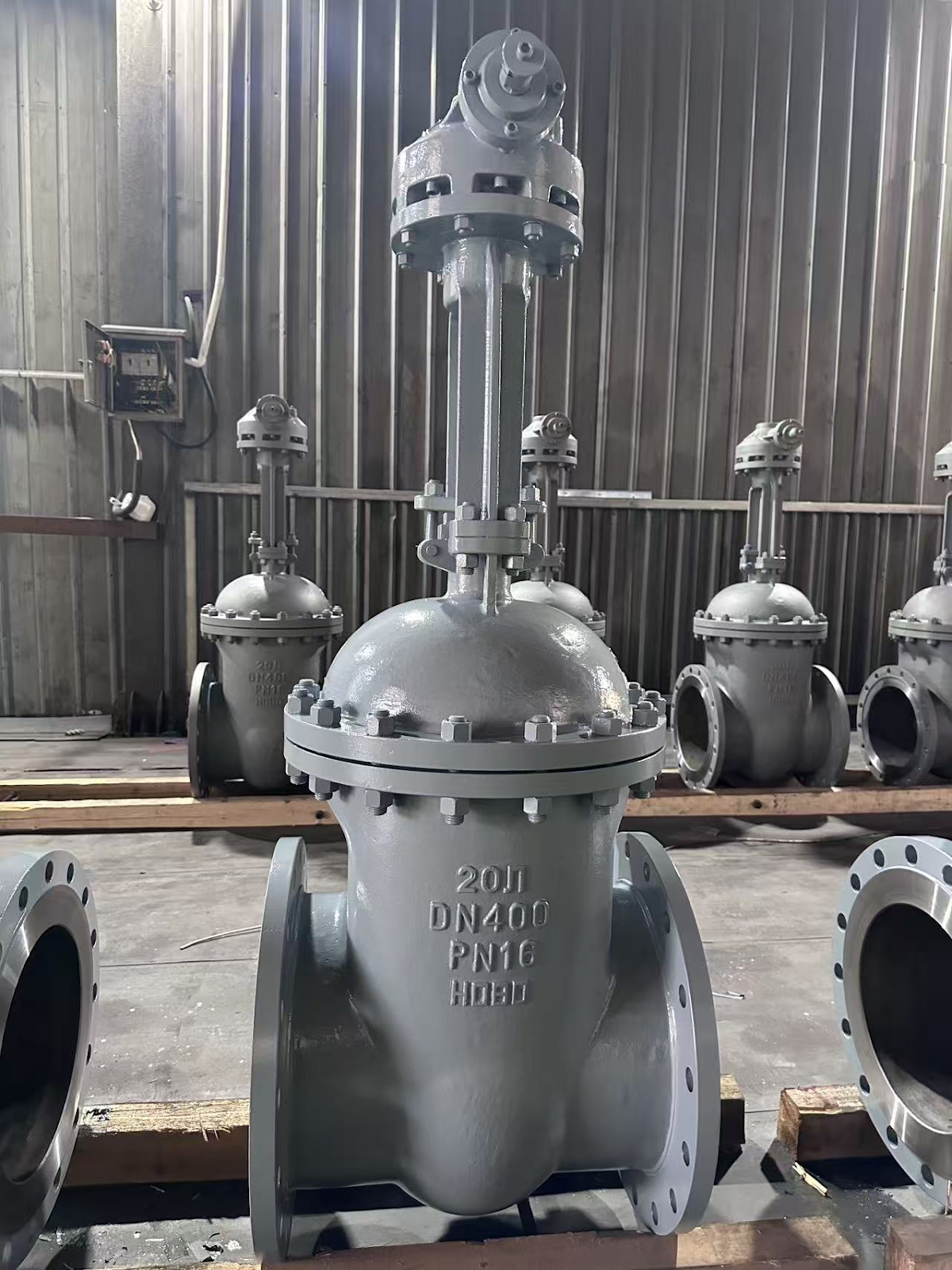
- Gate valves for isolation in transmission and distribution lines
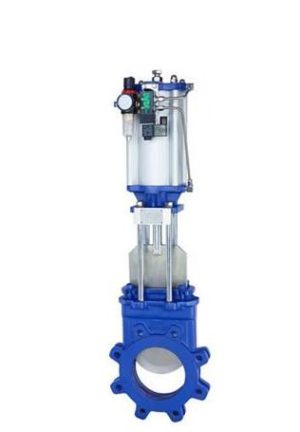
- Butterfly valves for large-diameter pipelines requiring compact installation
- Check valves to prevent backflow and protect pumps
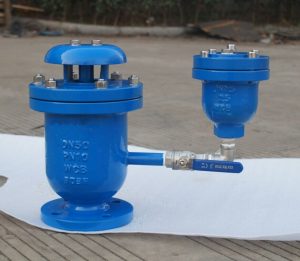
- Air release valves to expel trapped air at high points
- Pressure reducing valves to control downstream pressure levels
For example, isolation points along long mains often use gate or butterfly designs, while pump discharge lines rely on check valves to avoid reverse flow. Further details on functional selection can be found in internal references discussing [gate valves in water networks], [butterfly valves for large pipelines], and [check valve roles in pumping stations].
Design and Material Considerations
Valve design for water supply systems prioritizes structural integrity, corrosion resistance, and ease of operation. Materials are selected to ensure compatibility with potable water standards and long-term exposure to moisture and soil conditions.
Key design considerations include:
- Body materials resistant to corrosion and external environmental exposure
- Seating arrangements that provide reliable shut-off under varying pressures
- Coatings and linings to protect internal surfaces and maintain water quality
Standards such as AWWA and ISO define requirements for pressure ratings, testing, and materials used in water service. Compliance with these standards ensures uniform performance and simplifies maintenance across large networks. Alignment with such guidelines is especially important in publicly funded infrastructure projects.
Reliability, Maintenance, and Failure Modes
Valves in water supply systems are expected to operate for decades, often with limited routine maintenance. Failures typically arise from external factors rather than internal wear, particularly in buried installations.
Common issues include:
- Leakage due to seat wear or debris accumulation
- Seizure from corrosion or infrequent operation
- Damage caused by pressure transients
Preventive maintenance practices focus on periodic operation of isolation valves, inspection of accessible components, and monitoring of pressure control devices. Proper documentation and asset tracking help utilities identify valves nearing the end of their service life. As a valve manufacturer supporting infrastructure projects in Europe, these considerations are usually addressed during design review and commissioning stages.
Role of Standards and Compliance
Water supply valves must meet regulatory and safety requirements to ensure public health protection and system reliability. Standards govern not only pressure and structural integrity but also material suitability for contact with drinking water.
Compliance areas typically include:
- Pressure and leakage testing
- Material certification for potable water use
- Dimensional and operational consistency
Adhering to recognized standards simplifies approval processes and ensures compatibility across different sections of the network. It also supports long-term planning by allowing standardized replacement and maintenance strategies.
Valves used across water supply systems form the backbone of reliable and safe water distribution. Their selection depends on understanding network layout, operating conditions, and long-term maintenance expectations. By choosing appropriate valve types, designs, and materials, utilities can reduce operational risks and extend asset life. At ValvesOnly Manufacturer in Europe, assessments of water infrastructure often highlight the importance of aligning valve performance with real-world system behavior rather than nominal design values. A technically driven, standards-based approach supports consistent operation without turning essential infrastructure components into commercial focal points.