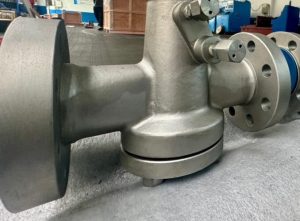
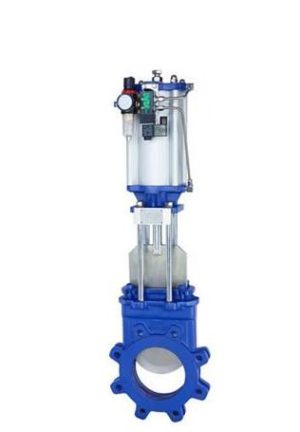
Pressure Seal Gate Valves: Design Principle and High-Pressure Service

Pressure Seal Gate Valves: Design Principle and High-Pressure Service
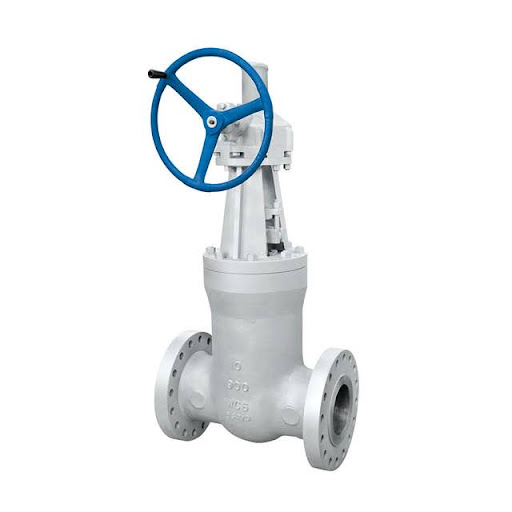
Pressure seal gate valves are used when operating pressure and temperature exceed the practical limits of conventional bolted bonnet designs. For engineers and buyers evaluating a Pressure Seal Gate Valve Manufacturer in Europe, these valves are typically specified for high-pressure steam lines, boiler feed water circuits, and critical hydrocarbon services where bonnet leakage becomes a design risk rather than a routine maintenance concern. Once pressure classes move beyond Class 900, traditional gasketed bonnet arrangements often struggle to maintain long-term sealing reliability under thermal cycling and pressure fluctuations.

To address this challenge, pressure seal gate valves use internal system pressure to energize the bonnet seal. Instead of relying only on external bolting force, sealing performance improves as operating pressure increases. This design approach is widely adopted in high-pressure systems across Europe, particularly in power generation units, refinery revamps, and process plants where safety, compliance, and operational stability are critical.

High-Pressure System Overview

High-pressure systems are typically found in applications such as main steam lines, boiler feedwater circuits, high-pressure separators, and hydrocarbon processing units. These systems operate at elevated pressures and temperatures where leakage or structural failure can have serious safety and operational consequences.

Key characteristics of such systems include:

  • Pressure classes commonly ranging from Class 900 to Class 2500
  • Continuous exposure to thermal stress and pressure cycling
  • Strict regulatory and inspection requirements

In these environments, valve body integrity and bonnet sealing methods become critical. Pressure seal gate valves are engineered to address these challenges by minimizing external bolting and using internal pressure to improve sealing effectiveness rather than working against it.

Design Principle of Pressure Seal Gate Valves

The defining feature of a pressure seal gate valve is its bonnet sealing mechanism. Instead of relying solely on gasket compression from bolts, the design incorporates a pressure-activated seal ring. As internal pressure increases, the seal ring is forced tighter against the body and bonnet, enhancing the seal.

Core design elements include:

  • Pressure seal bonnet using a metallic or graphite seal ring
  • Wedge gate mechanism for bidirectional tight shut-off
  • Minimal bonnet bolting, reducing potential leak paths

This principle allows the valve to maintain sealing integrity even as pressure and temperature rise. From a valve manufacturer standpoint, this design reduces dependency on external torque and improves performance consistency in high-pressure services. Additional details on gate valve fundamentals are covered in internal references discussing [industrial gate valve operation] and [valve bonnet design concepts].

Suitability for High-Temperature and High-Pressure Service

Pressure seal gate valves are widely used where both pressure and temperature exceed standard design limits. Typical services include superheated steam, high-pressure feedwater, and high-temperature hydrocarbons. The pressure-assisted sealing mechanism is particularly effective in these conditions, where conventional gaskets may relax or degrade.

Advantages in high-pressure service include:

  • Improved sealing performance as pressure increases
  • Reduced risk of bonnet gasket blowout
  • Enhanced safety margins during pressure excursions

Materials such as carbon steel, alloy steel, and stainless steel are selected based on service temperature and media compatibility. Compliance with ASME pressure class requirements ensures that the valve can withstand both steady-state and transient operating conditions without loss of integrity.

Material and Construction Considerations

Material selection for pressure seal gate valves is driven by pressure, temperature, and fluid characteristics. Body and bonnet materials must maintain mechanical strength at elevated temperatures, while internal components must resist wear and corrosion.

Common considerations include:

  • Body materials selected for creep and thermal fatigue resistance
  • Seal ring materials compatible with high temperature and pressure
  • Stem and wedge design to ensure smooth operation under load

Standards published by ASME define allowable stresses and design rules for pressure-containing components, helping ensure uniform performance across installations. Proper alignment between material properties and service conditions is essential for long-term reliability. Related internal guidance can be found in discussions on [high-pressure valve material selection] and [ASME pressure class fundamentals].

Operational Challenges and Failure Modes

Although pressure seal gate valves are designed for severe service, improper application or maintenance can still lead to performance issues. Common challenges arise from installation practices, thermal cycling, or extended operation without inspection.

Typical issues include:

  • Difficulty in disassembly during maintenance due to pressure-set seals
  • Wear of seating surfaces from frequent cycling
  • Stem or packing degradation under high-temperature exposure

These challenges highlight the importance of considering maintenance access and operating frequency during specification. In critical systems, valves are often installed in locations where isolation is infrequent but reliability is essential.

Maintenance and Reliability Considerations

Maintenance strategies for pressure seal gate valves differ from those used for lower-pressure designs. Because the sealing mechanism relies on internal pressure, depressurization and controlled disassembly procedures are required during shutdowns.

Best practices include:

  • Scheduled inspection during planned outages
  • Verification of seal ring condition and seating surfaces
  • Monitoring stem operation and packing performance

At ValvesOnly Manufacturer in Europe, evaluations of high-pressure valve installations often emphasize matching valve design to actual operating profiles rather than nominal system ratings. As a valve manufacturer supporting engineered projects in Europe, these factors are typically reviewed during specification and inspection stages to ensure consistent long-term performance.

Pressure seal gate valves play a critical role in high-pressure and high-temperature systems where conventional bonnet designs may not provide sufficient sealing reliability. Their pressure-assisted sealing principle, combined with robust materials and standardized design rules, makes them suitable for severe industrial service. Proper understanding of their design, limitations, and maintenance needs helps engineers select valves that support safety, compliance, and operational stability. A technically driven approach to specification ensures that these valves perform as intended throughout their service life without introducing unnecessary risk.