Category: Industrial Valve

Valve Certification Standards in Europe: ISO, API, and PED Explained
A single valve failure can compromise plant safety, interrupt operations, and cause costly downtime. Backflow, leakage, contamination, uncontrolled pressure surges, or unplanned shutdowns can escalate into severe operational risks. This is why selecting valves that comply with the correct European certification standards is not simply a regulatory formality, it is a fundamental requirement for mechanical
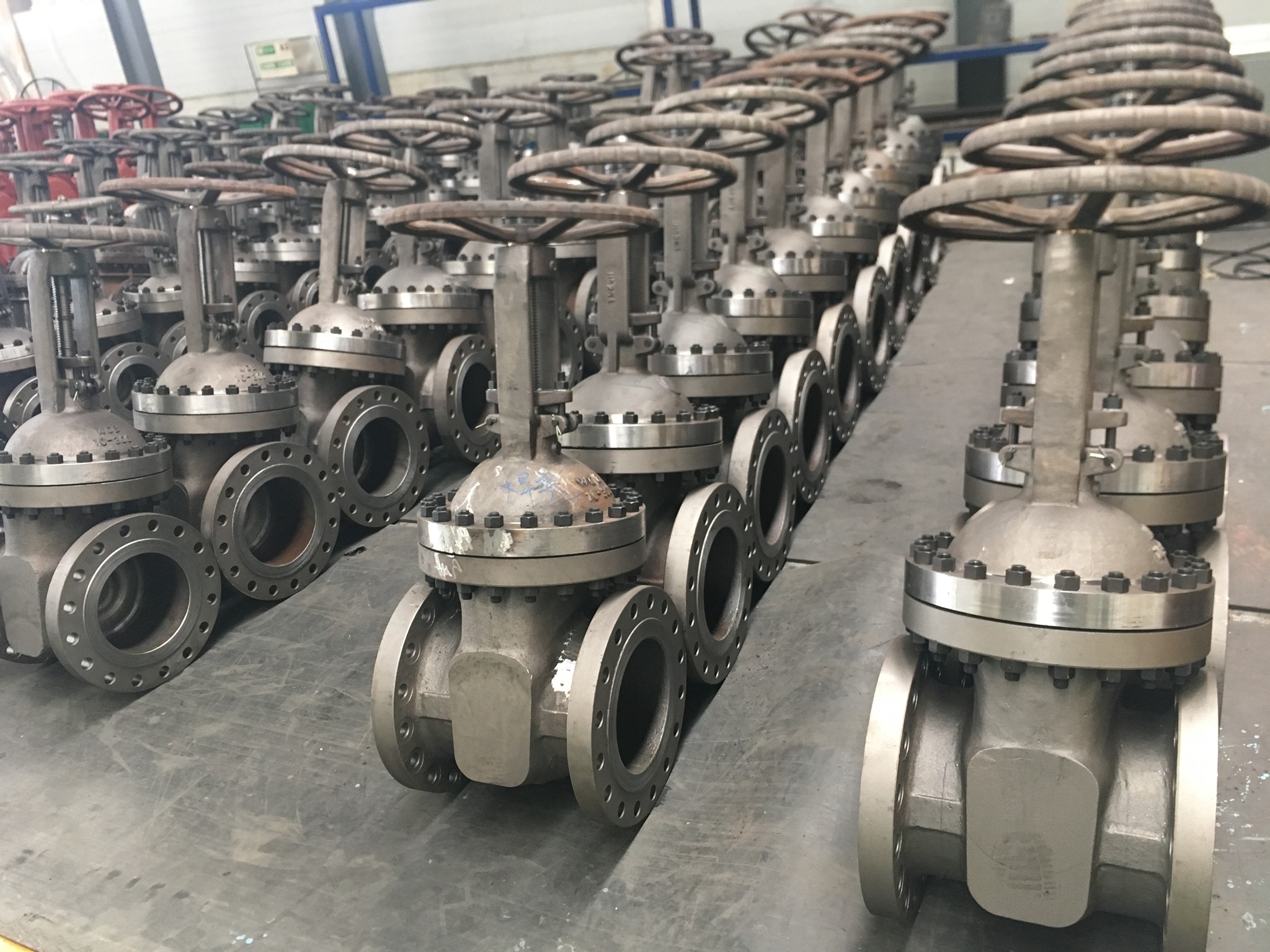
European Valve Market Trends and Forecasts: Examining current market trends and future estimates in Europe.
Europe industrial valve market has witnessed vast proliferation in the past decade, owing to technological advancements, rising automation demand, and increasing energy-efficient requirement. Few industries rely on machines, but they are vital in the oil and gas, water treatment, chemical processing, and power generation technologies, among others. There exists a fierce competition within European valve manufacturers where
Innovations in Industrial Valve Technology: Investigating the newest developments in valve design and operation.
Rising demands for increased automation, robustness, and efficiency across most industries, industrial valve technology has advanced tremendously over the years. In a critical application, valves are used to control fluid flow, gas flow, and slurry flow in anything from chemicals and water treatment to petroleum and natural gas. These days, the main goals of advanced