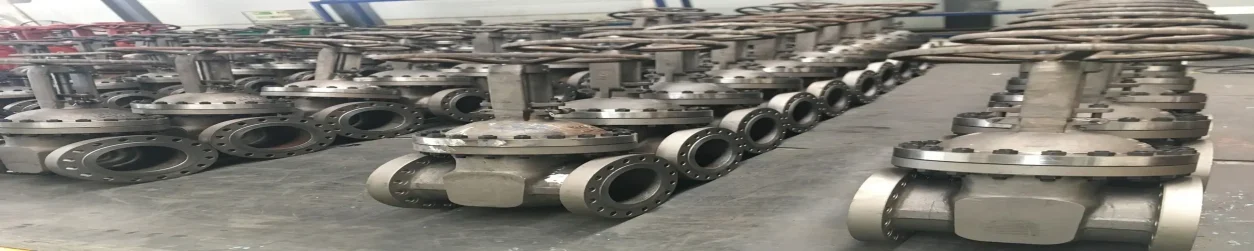
Our Shop
Contact us for all your questions and requirements
Steam Trap Manufacturer in Italy
In steam systems, condensate must be removed continuously without allowing live steam to escape, as any imbalance directly affects heat transfer efficiency and system performance. Steam traps are designed to manage this separation by automatically discharging condensate and retaining steam within the system.
ValvesOnly Europe manufactures steam traps engineered for stable operation under varying steam loads and pressure conditions. As a Steam Trap Manufacturer in Italy, the focus is on efficient condensate discharge, reduced energy loss, and reliable performance across industrial steam applications.
Working Principle of Steam Traps
Steam traps operate by distinguishing between steam and condensate using properties such as density, temperature, or dynamic behavior. Depending on the design, the trap opens to discharge condensate and closes to prevent live steam loss.
This ensures continuous removal of condensate while maintaining system pressure and thermal efficiency.
Advantages of Steam Traps in Industrial Applications
- Maintains efficient heat transfer by removing condensate
- Prevents steam loss and reduces energy consumption
- Minimizes risk of water hammer in steam lines
- Protects equipment from condensate-related damage
- Supports stable operation under varying load conditions
Types of Steam Traps Offered
Steam trap selection depends on condensate load, operating pressure, and system response requirements.
- Ball Float Steam Trap – Provides continuous condensate discharge under varying load conditions
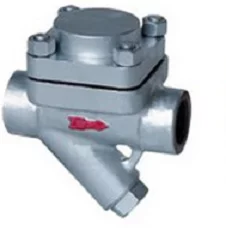
- Thermodynamic Steam Trap – Suitable for high-pressure systems with compact and robust design
- Thermostatic Steam Trap – Operates based on temperature difference between steam and condensate
- Bimetallic Steam Trap – Uses temperature-sensitive elements for controlled discharge
- Inverted Bucket Steam Trap – Mechanical design suitable for handling fluctuating steam loads
Steam Trap Design Standards
- BS 6022 – Steam trap performance
- EN 26704 – Testing of steam traps
- DIN standards for steam system components
Inspection and Testing Standards for Steam Traps
- EN 12266 – Pressure testing
- ISO 5208 – Leakage testing
- Functional testing based on condensate discharge performance
Body and Trim Material Compatibility
Material selection is based on steam pressure, temperature, and condensate characteristics, especially for high-temperature and high-pressure service.
| Material | European Grade | Typical Applications |
|---|---|---|
| Cast Iron | EN-GJL-250 | Low to medium pressure steam systems |
| Ductile Iron | EN-GJS-500-7 | Industrial steam distribution networks |
| Carbon Steel | EN 1.0619 / 1.0618 | High-pressure steam lines |
| Forged Steel | EN 1.0460 | Compact high-pressure steam traps |
| Stainless Steel | EN 1.4408 / 1.4404 | Corrosive condensate systems |
| Alloy Steel | EN 1.7335 / 1.7380 | High-temperature steam service |
Industrial Applications of Steam Traps
- Power Generation – Steam cycle and condensate management systems
- Oil and Gas Processing – Steam tracing and heating applications
- Chemical Processing – Process heating and condensate removal
- Petrochemical Plants – Steam utility and recovery systems
- Textile Industry – Steam distribution and thermal processes
- Paper and Pulp – Steam-driven drying and processing systems
Special Features and Customization Options
- Designed for continuous or intermittent condensate discharge
- Configurations for high-pressure and high-temperature steam service
- Compact designs for space-constrained installations
- Options for threaded, flanged, or welded connections
- Adaptability to varying steam load and pressure conditions
Showing all 4 results
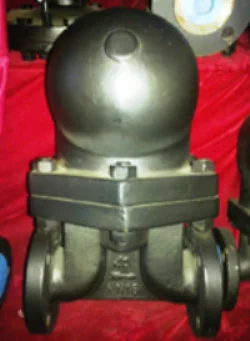
Ball Float Steam Trap
Price range: €111.00 through €562.00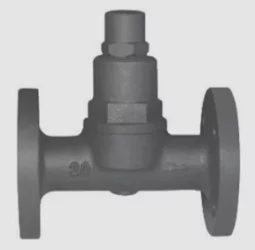
Bimetallic Steam Trap
Price range: €175.00 through €310.00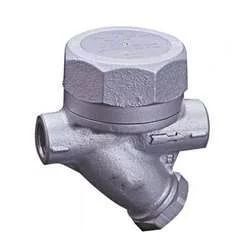
Thermodynamic Steam Trap
Price range: €60.00 through €231.00