
Steam Trap Manufacturer in Germany
Steam traps automatically remove condensate, air and other non-condensable gases from steam systems while limiting the unnecessary loss of live steam. Effective condensate removal helps maintain heat-transfer efficiency, reduces the risk of water hammer and protects downstream equipment from corrosion and operating problems caused by accumulated condensate.
Automatic Condensate Discharge in Steam Systems:
When steam transfers its latent heat to a process, it condenses into water. If this condensate is not removed, it can reduce heat transfer performance, restrict steam flow and create hydraulic shock within the piping system.
Steam traps are commonly installed at:
- Steam-main drip points
- Heat exchangers
- Process vessels
- Steam separators
- Tracer lines
- Jacketed equipment
- Unit heaters
- Steam distribution headers
The trap should discharge condensate at a rate equal to or greater than the maximum expected condensate load under the available differential pressure.
Thermodynamic, Thermostatic and Mechanical Designs:
Steam traps operate according to different physical principles.
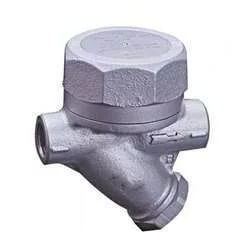
- Thermodynamic: Disc operated design for high pressure and superheated steam service.
- Thermostatic: Opens or closes according to condensate temperature relative to steam.
- Ball Float: Float mechanism provides continuous condensate discharge.
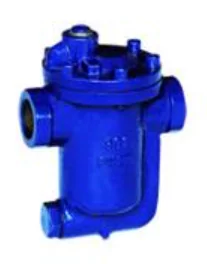
- Inverted Bucket: Uses buoyancy changes to control condensate discharge.
- Bimetallic: Bimetal elements respond to temperature changes to operate the valve.
Condensate Load and Air Venting Performance:
Steam trap capacity must be selected according to the maximum expected condensate load rather than pipe diameter alone.
The condensate load can vary considerably between start up and normal operation. During start-up, cold equipment can generate a high initial condensate load and contain significant quantities of air.
Important sizing parameters include:
- Maximum condensate load
- Steam pressure
- Back pressure
- Differential pressure
- Start-up load
- Operating temperature
- Required discharge temperature
- Presence of non-condensable gases
- Safety factor
Mechanical float traps combined with thermostatic air vents are useful where rapid air removal and continuous condensate discharge are required.
Thermostatic traps can provide effective air venting during system start up, while thermodynamic traps are generally selected for compact and robust steam main drainage duties.
Technical Specifications:
| Parameter | Typical Specification |
| Types | Thermodynamic, Thermostatic, Ball Float, Bimetallic, Inverted Bucket |
| Size Range | DN15–DN50 |
| Pressure Rating | PN16–PN100 / ASME Class 150–800 depending on design |
| Body Materials | Cast Iron, Ductile Iron, Carbon Steel, Stainless Steel |
| Internal Components | Stainless Steel, Hardened Stainless Steel |
| End Connections | BSP/NPT Threaded, Socket Weld, Butt Weld, Flanged |
| Operating Temperature | Up to approximately 400°C depending on material and design |
| Operating Pressure | Up to approximately 100 bar depending on trap type |
| Discharge Capacity | Model and orifice dependent |
| Steam Trap Standards | ISO 6552 terminology ISO 6553 marking where applicable |
| Flanged Dimensions | ISO 6554 where applicable |
| Testing | Pressure and functional testing according to applicable product/project requirements |
Back Pressure and Differential Pressure Limits:
- Differential Pressure: Difference between trap inlet pressure and outlet back pressure.
- Back Pressure Sources: Condensate return lines, elevation, flash steam, common return headers and pressurized recovery systems.
- Capacity Effect: Higher back pressure reduces differential pressure and trap discharge capacity.
- Sizing: Select the trap using the minimum expected differential pressure.
- Operation: Excessive back pressure can affect mechanical and thermodynamic steam trap performance.
Trap Selection by Steam Service:
Different steam applications favour different trap operating principles.
- Steam Main Drainage: Thermodynamic or mechanical traps for demanding operating conditions.
- Heat Exchangers: Ball float traps for continuous condensate discharge under varying loads.
- Steam Tracing: Thermostatic, bimetallic or thermodynamic traps based on condensate temperature.
- Superheated Steam: High temperature trap designs suitable for start up and continuous service.
- Process Heating: Select based on condensate load, air venting and return line back pressure.
Installation and Maintenance Requirements:
Correct installation is essential to maintain steam trap performance.
The trap should be installed in the orientation specified for its operating mechanism and positioned where condensate can reach it by gravity.
Installation considerations include:
- Correct flow direction
- Adequate upstream drip leg
- Isolation valves for maintenance
- Suitable upstream strainer where required
- Check valve where reverse flow is possible
- Accessible test and maintenance points
- Correct condensate return piping
- Adequate discharge capacity
Steam traps should be inspected periodically for blocked open, failed closed or leaking conditions.
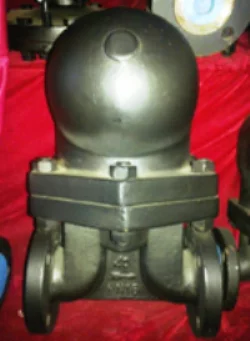
Ball Float Steam Trap
Price range: €111.00 through €562.00
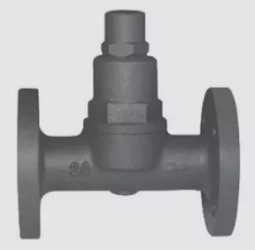
Bimetallic Steam Trap
Price range: €175.00 through €310.00
Thermodynamic Steam Trap
Price range: €60.00 through €231.00
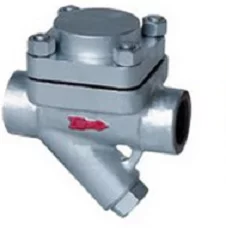
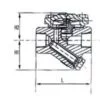
Thermostatic Steam Trap
Price range: €115.00 through €538.00