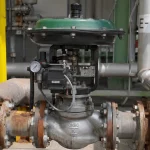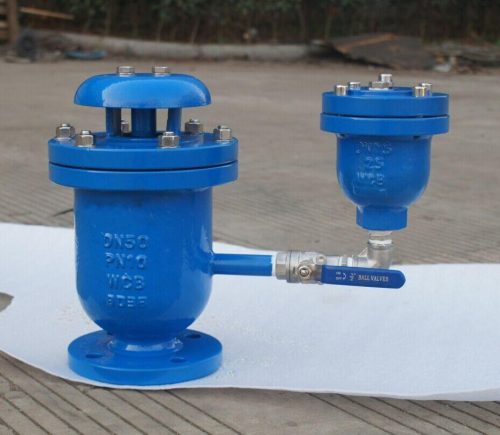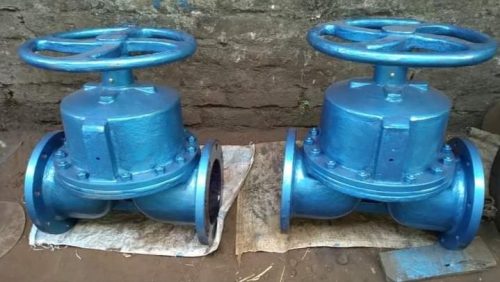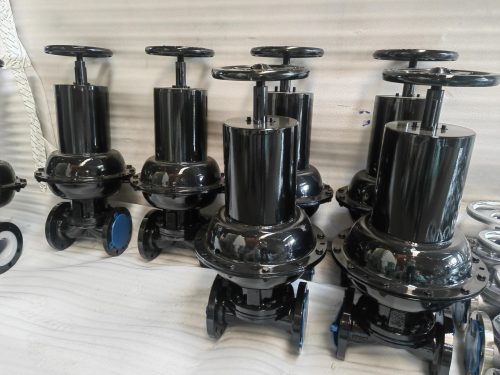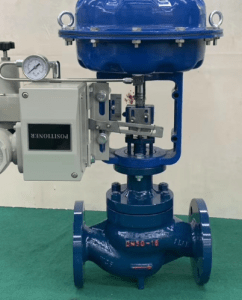


Valves Used in Power Generation Plants are fundamental to the safe and efficient operation of systems that convert thermal, hydraulic, or nuclear energy into electricity. Power plants operate under high pressures, elevated temperatures, and continuous duty cycles, placing significant demands on valve performance and reliability. These valves regulate steam, water, fuel, and auxiliary media across boilers, turbines, condensers, and balance-of-plant systems. In large-scale installations designed under regulatory frameworks commonly followed in Europe, valve selection is driven by safety margins, compliance requirements, and long-term operational stability rather than short-term considerations.
Overview of Power Generation Systems
Power generation plants vary by technology, including thermal (coal, gas, oil), combined cycle, nuclear, and hydroelectric facilities. Despite differences in energy source, all plants rely on complex fluid systems where valves perform isolation, control, and protection functions.
Typical systems where valves are installed include:
- Boiler and steam generation circuits
- Turbine inlet and extraction lines
- Feedwater and condensate systems
- Cooling water and auxiliary services
Each system operates under distinct pressure and temperature conditions, requiring valves with specific design characteristics. For example, main steam lines demand robust isolation, while feedwater systems rely on precise control to maintain thermal balance. Further system context is covered in internal references discussing [boiler feedwater circuits] and [steam turbine auxiliary systems].
Operating Conditions and Technical Challenges
Power plants represent some of the most demanding environments for valve operation. Steam and water systems are subject to extreme pressures, thermal cycling, and continuous operation, often for thousands of hours between outages.
Common challenges affecting valves include:
- High temperature exposure, leading to material creep and seal degradation
- Pressure cycling during load changes and start-up/shutdown
- Erosion and corrosion from high-velocity fluids or impurities
From a valve manufacturer perspective, these challenges require conservative design margins and careful material selection. Valves must maintain tight shut-off and structural integrity despite prolonged exposure to severe service conditions. Minor performance degradation can affect plant efficiency or lead to forced outages.
Valve Types Commonly Used in Power Plants
A wide range of valve designs is used across power generation facilities, each selected based on function and service severity. No single valve type can address all requirements, making system-level coordination essential.
Common valve types include:
- Gate valves for isolation in high-pressure steam lines
- Globe valves for throttling and flow control in feedwater systems
- Check valves to prevent reverse flow and protect pumps and turbines
- Ball valves for auxiliary and fuel gas services
- Pressure relief and safety valves for overpressure protection
For example, main steam isolation often relies on pressure seal gate valves, while condensate systems favor globe or check designs for control and protection. Additional functional insights are available in internal material on [gate valves in steam service], [globe valves for flow regulation], and [check valve roles in power plants].
Design and Material Considerations
Material and design selection for power plant valves is governed by pressure class, temperature limits, and service media. Components must retain mechanical strength and dimensional stability under prolonged thermal exposure.
Key considerations include:
- Body and bonnet materials selected for creep resistance
- Seating and sealing systems compatible with high-temperature steam
- Bonnet designs that minimize external leakage risk
Standards such as those issued by ASME define pressure-temperature ratings, allowable stresses, and testing requirements for power service valves. Adherence to these standards ensures consistency across installations and simplifies inspection during outages. Proper alignment between valve design and actual operating conditions is critical for long-term reliability.
Failure Modes and Reliability Concerns
Valve failures in power generation plants often result from service-related degradation rather than sudden defects. Because many valves operate continuously or remain static for long periods, issues may develop gradually.
Common failure modes include:
- Leakage due to seat or gasket relaxation
- Stem and packing wear from thermal cycling
- Restricted movement caused by deposits or corrosion
Early identification of these issues is essential, as valve failure can affect plant output or safety systems. Reliability analysis therefore focuses on both design suitability and operational history rather than isolated incidents.
Maintenance and Inspection Practices
Maintenance strategies in power plants are closely tied to planned outages, during which valves are inspected, tested, and refurbished as needed. Given the critical role of valves in plant safety, maintenance activities are often governed by documented procedures and inspection criteria.
Typical practices include:
- Visual and non-destructive inspection of pressure-containing parts
- Verification of seating and sealing surfaces
- Functional testing of isolation and control valves
In high-energy systems, maintenance access and disassembly requirements are considered during specification. At ValvesOnly Manufacturer in Europe, technical evaluations of power plant valves often emphasize matching maintenance intervals with outage planning to reduce operational risk. As a valve manufacturer supporting utility-scale projects in Europe, these considerations are typically reviewed during design and inspection stages.
Role of Standards and Compliance
Compliance with industry standards is a defining requirement in power generation. Valves must meet not only pressure and temperature criteria but also documentation, testing, and traceability requirements.
Compliance typically covers:
- Pressure testing and inspection records
- Material certification and traceability
- Dimensional and operational verification
Following recognized standards supports consistent performance and regulatory acceptance. It also enables utilities to manage large valve populations using standardized maintenance and replacement strategies.
Valves used in power generation plants are critical to safe, efficient, and reliable electricity production. Their selection depends on a clear understanding of system function, operating conditions, and lifecycle expectations. By choosing appropriate valve types, materials, and designs, power plant operators can reduce unplanned outages and extend service life. A standards-based, engineering-driven approach ensures valves perform as intended under severe operating conditions. Rather than viewing valves as isolated components, integrating them into overall system design and maintenance planning supports long-term operational stability without introducing a sales-oriented focus.