
Inconel Valve Manufacturer in Germany
Inconel valves are used where piping systems combine elevated temperature, mechanical loading and aggressive process conditions that exceed the practical capability of conventional stainless steels. Inconel is a family of nickel-chromium alloys, and individual grades provide substantially different combinations of oxidation resistance, corrosion resistance and mechanical strength.
Inconel Valve for High Temperature Service
Nickel chromium alloys retain useful mechanical and corrosion properties at temperatures where conventional materials can experience oxidation, scaling or loss of strength.
Inconel valve construction can be considered for:
- High-temperature process lines
- Furnace and thermal systems
- Power-generation equipment
- Chemical processing
- High-pressure utilities
- Cryogenic systems with suitable grade selection
The operating limit of the finished valve is not determined by the alloy alone. Seat materials, packing, gasket construction, valve pressure class and design code can impose lower temperature limits.
Nickel Chromium Alloy Properties
Nickel provides a stable austenitic base and contributes to corrosion resistance across many aggressive conditions.
Chromium helps form protective oxide layers that support resistance to high-temperature oxidation.
Additional alloying elements modify individual grades:
- Molybdenum improves resistance to localized corrosion.
- Niobium contributes to strengthening in 625 and precipitation hardening in 718.
- Iron content varies considerably between grades.
Therefore, “Inconel” should never be treated as one universal alloy with one temperature or chemical resistance rating.
Valve Configurations and Body Construction
Available configurations can include:
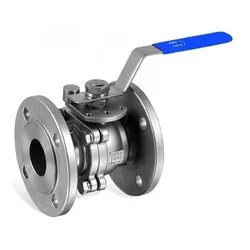
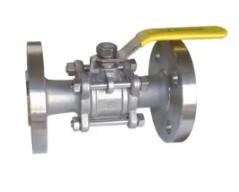
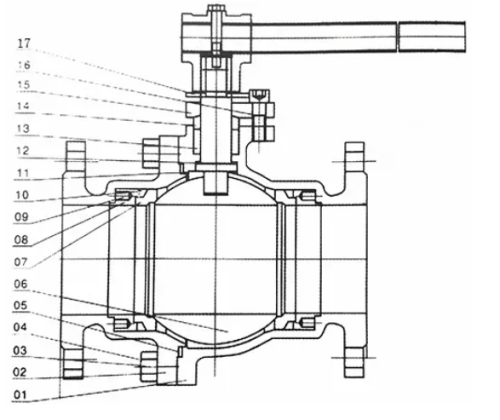
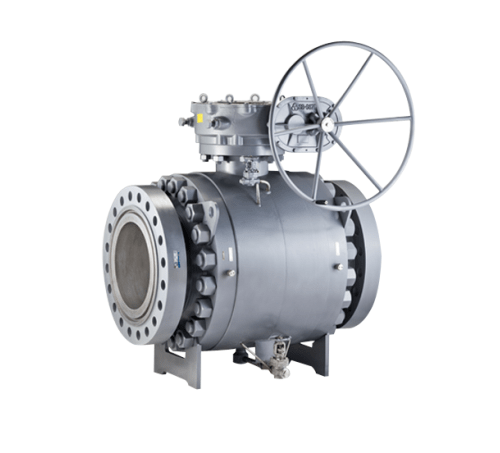
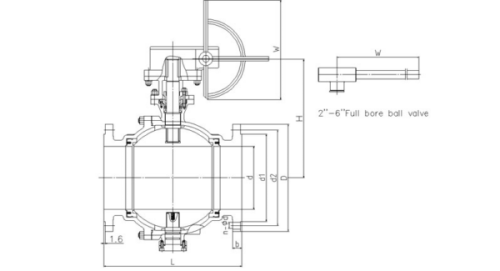
- Inconel Ball Valve: Quarter turn isolation for corrosive and high temperature service.
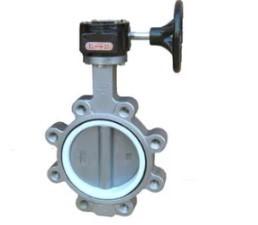
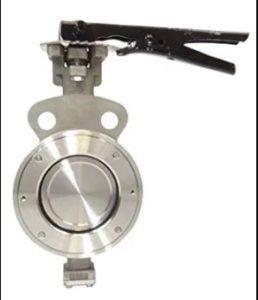
- Inconel Butterfly Valve: Compact isolation or flow regulation for larger pipelines.
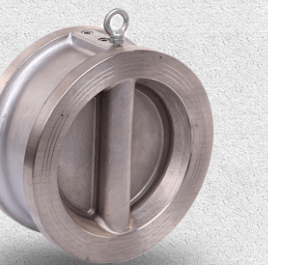
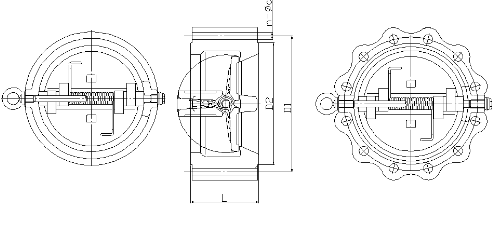
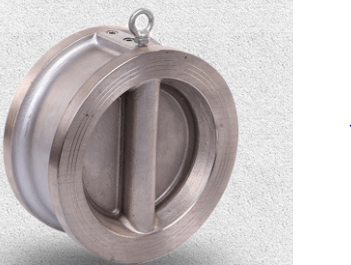
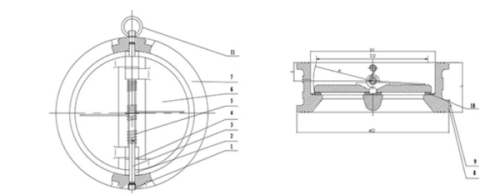
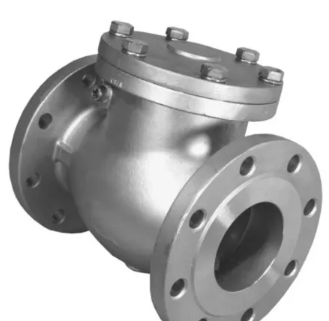
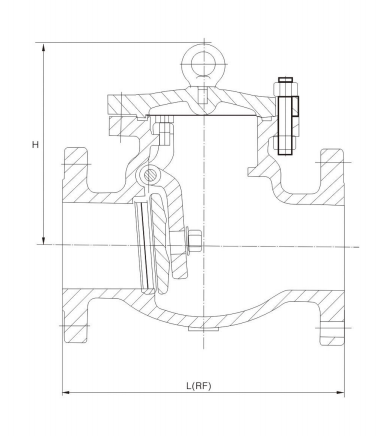
- Inconel Check Valve: Prevents reverse flow automatically.
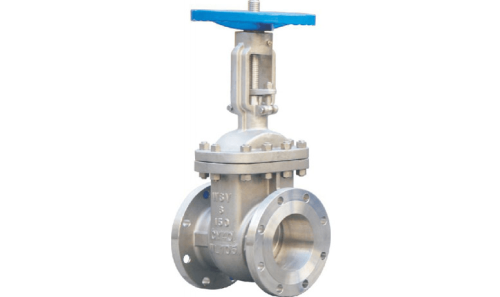
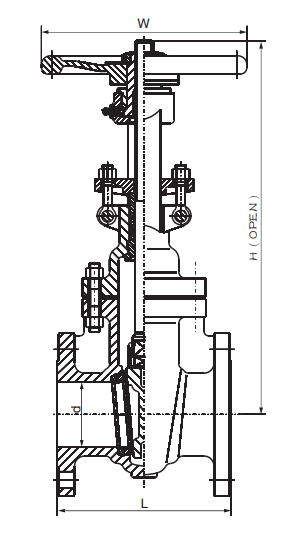
- Inconel Gate Valve: Full bore isolation with low pressure loss.
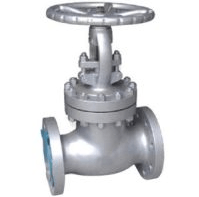
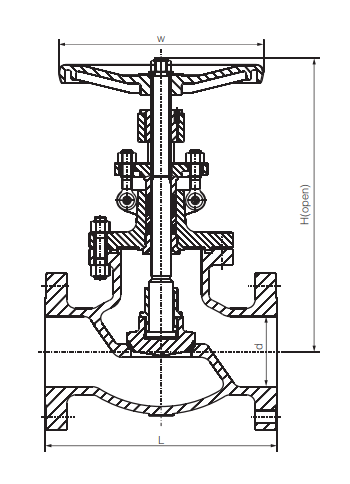
- Inconel Globe Valve: Suitable for throttling and shut off.
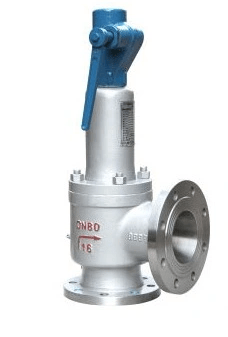
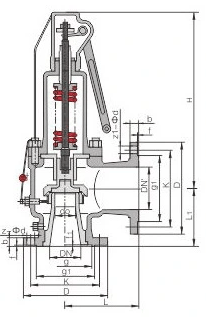
- Inconel Safety Relief Valve: Protects systems from excess pressure in demanding service.
- Body Construction: Forged, cast, machined or fabricated depending on valve design.
Technical Specifications
| Parameter | Typical Specification |
| Common Grades | Inconel 600, 625, 718 |
| UNS Grades | N06600, N06625, N07718 |
| Valve Types | Ball, Butterfly, Check, Gate, Globe, Safety/Relief |
| Size Range | DN15–DN1200 depending on valve type |
| Pressure Rating | ASME Class 150–2500 / applicable PN ratings depending on design |
| Body Construction | Forged, Cast or Fabricated where applicable |
| Trim | Inconel, compatible nickel alloy or hard-faced trim |
| Seats | PTFE, RPTFE, PEEK, Graphite or Metal depending on service |
| Packing | PTFE, Graphite or high-temperature packing |
| End Connections | Flanged, Butt Weld, Socket Weld, Threaded |
| Design | ASME B16.34 and valve-type-specific standards where applicable |
| Testing | API 598 / EN 12266-1 where applicable |
| Inspection | PMI, PT, UT/RT or other NDT when specified |
Oxidation and High Temperature Strength
- Inconel alloys are used at elevated temperatures because chromium-containing surface oxides can reduce further oxidation while the nickel-rich matrix maintains useful structural properties.
- Grade selection remains important.
- Inconel 600 is commonly considered where oxidation and thermal exposure dominate.
- Inconel 625 combines corrosion resistance with high strength without relying primarily on precipitation hardening.
- Inconel 718 provides much higher strength after appropriate heat treatment but has different corrosion and temperature-selection considerations.
- Thermal cycling should also be reviewed because valve bodies, trim, seats and packing can expand at different rates.
Testing and Material Traceability
Special alloy valves should have clear material identification throughout manufacturing and inspection.
Documentation can include:
- EN 10204 3.1 inspection certificate
- EN 10204 3.2 where project requirements justify third-party validation
- Heat number traceability
- Positive Material Identification
- Dimensional inspection
- Pressure testing
- Liquid penetrant examination
- Ultrasonic or radiographic examination where specified
- Fugitive emission testing where required
The NDT method should correspond to the material form, valve construction and project specification.
Magnetic particle inspection should not be applied indiscriminately to nickel-rich non-ferromagnetic materials.
Power and Process Applications
Inconel valves and valve components are used in:
- Power generation
- High temperature steam systems
- Chemical processing
- Petrochemical plants
- Offshore facilities
- Marine systems
- LNG and cryogenic systems
- Furnace and heat-treatment service
- Corrosive gas systems
The appropriate grade should be selected according to the dominant requirement oxidation resistance, corrosion resistance or mechanical strength rather than selecting an Inconel grade simply because the service is severe.