
Plug Valve Manufacturer in Germany
Plug valves provide quarter turn isolation, diversion or flow routing by rotating a cylindrical or tapered plug inside the valve body. Depending on the plug port arrangement, the valve can provide straight through isolation, divert flow between different branches or combine multiple flow paths within one body.
Quarter Turn Flow Isolation and Diversion
A plug valve contains one or more flow passages machined through the plug. When the plug port aligns with the pipeline, fluid passes through the valve. Rotating the plug through approximately 90° moves the solid portion across the flow path and isolates the line.
The short operating movement provides:
- Rapid opening and closing
- Compact rotary actuation
- Straight-through flow in suitable full port designs
- Suitability for manual or automated operation
- Flow diversion with multiport configurations
Plug valves are mainly selected for isolation and diversion. Continuous throttling should only be used where the plug, port and seat design are intended for regulating duty.
Lubricated, Sleeved and Eccentric Designs
- Lubricated Plug Valve: Uses injected sealant to reduce friction, improve sealing and support hydrocarbon or higher-pressure service.
- Sleeved Plug Valve: Uses a PTFE or polymer sleeve for low friction sealing without regular lubrication.
- Eccentric Plug Valve: Reduces seat contact and operating wear suitable for water, wastewater, slurry and solids containing media.
Two Way, Three Way and Multiport Configurations
- Two Way Plug Valve: One inlet and one outlet for pipeline isolation.
- Three Way Plug Valve: Three connections for flow diversion or selection; available in L-port and T-port designs.
- Multiport Plug Valve: Routes flow between multiple lines and can reduce the need for several separate isolation valves.
Technical Specifications
| Parameter | Typical Specification |
| Size Range | DN15–DN1200 |
| Pressure Rating | PN10–PN100 / ASME Class 150–2500 depending on design |
| Designs | Lubricated, Sleeved, Eccentric, Twin Seal, Orbit, Jacketed, Connection Lift, Multiport |
| Port | Full Port, Regular Port, Venturi Port, Multiport |
| Body Materials | Carbon Steel, Stainless Steel, Alloy Steel, Duplex, Super Duplex, Ductile Iron and special alloys |
| Plug Materials | Stainless Steel, body-compatible alloy, Monel, Hastelloy or other specified material |
| Sleeve / Seat | PTFE, RPTFE, PFA, TFM, Elastomer or Metal |
| End Connections | Flanged, Butt Weld, Socket Weld, Threaded |
| Operation | Lever, Gearbox, Pneumatic, Electric or Hydraulic |
| Design Standards | API 599; API 6D and ASME B16.34 where applicable |
| Testing | API 598 / EN 12266-1 / ISO 5208 where applicable |
| Fire Testing | API 607 / API 6FA only for specifically tested designs |
Sealing Performance and Operating Torque
- Plug valve torque depends strongly on the relationship between the plug and the sealing surface.
- Important factors include Differential pressure, Plug diameter, Sleeve friction, Sealant condition, Temperature, Solids accumulation, Frequency of operation
- Lubricated designs rely on an injected sealing medium to reduce friction and maintain the seating interface.
- Sleeved designs use the low friction characteristics of the polymer sleeve.
- Eccentric and lift type designs reduce sliding contact by moving the plug away from the seat during part of the operating cycle.
- Actuator selection should be based on verified breakaway and running torque rather than nominal valve size alone.
Actuation and End Connections
Manual lever operation is suitable for smaller quarter-turn valves, while larger valves typically require gearbox operation.
Automated configurations include:
- Pneumatic actuator
- Electric actuator
- Hydraulic actuator
Actuator selection should consider maximum differential pressure, operating torque, cycling frequency and required fail position.
Available connections include flanged, butt-weld, socket-weld and threaded ends depending on pressure class and size.
Process and Slurry Applications
Plug valves are used in:
- Oil and gas process piping
- Chemical processing
- Petrochemical plants
- Slurry pipelines
- Mining
- Wastewater treatment
- Pulp and paper
- Marine systems
- Tank farms
- High viscosity fluid systems
- Flow diversion manifolds
Lubricated designs are commonly used for hydrocarbon service, sleeved designs for compatible chemical duties and eccentric or connection-lift configurations where solids or slurry can affect conventional seating systems.
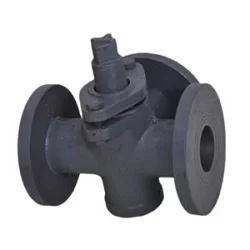
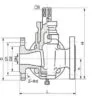
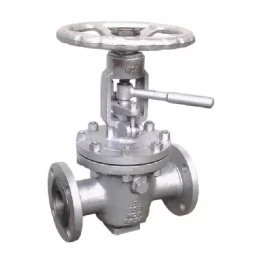
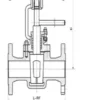
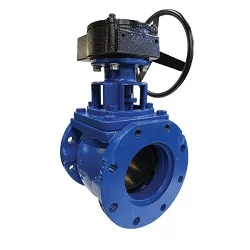
Eccentric Plug Valve
Price range: €297.00 through €1,930.00
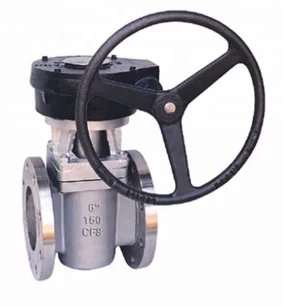
Jacketed Plug Valve
Price range: €86.07 through €262.61
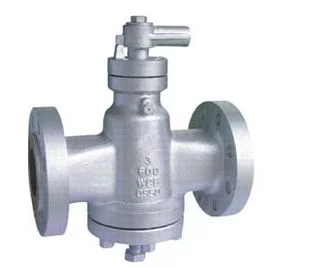
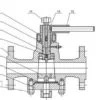
Lubricated Plug Valve
Price range: €1,214.73 through €6,029.45
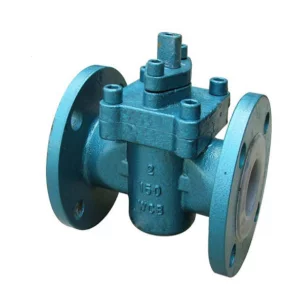
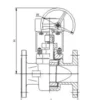
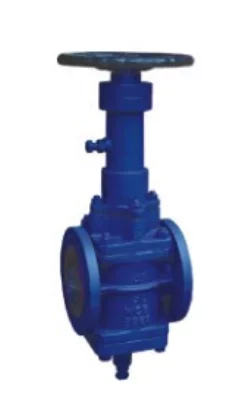
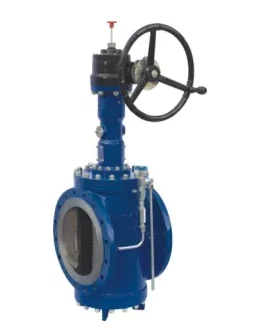
Twin Seal Plug Valve
Price range: €1,913.00 through €5,670.00