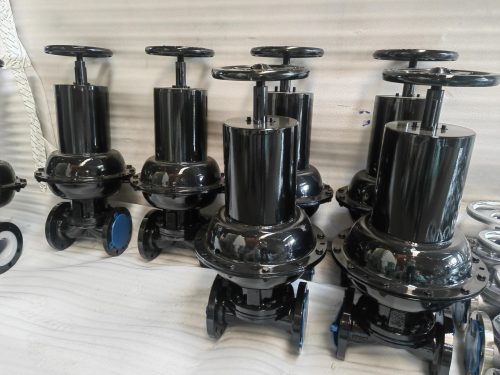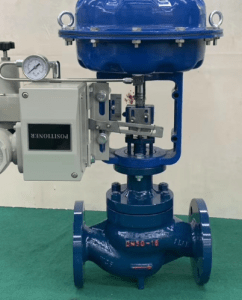

Zirconium Valve Manufacturer in Germany
Zirconium valves are selected for highly corrosive chemical processing systems where conventional stainless steels and many nickel alloys may not provide the required service life. Zirconium develops a dense and chemically stable oxide layer that provides strong corrosion resistance in a number of acidic environments when the operating conditions are suitable.
Zirconium Valve for Highly Corrosive Processes:
Zirconium is considered for chemical services where corrosion rate rather than mechanical strength is the main limitation of conventional materials.
Potential applications include selected:
- Hydrochloric-acid systems
- Sulphuric-acid processes
- Organic acids
- Acetic-acid production
- Formic-acid service
- Chemical reactors
- Acid transfer
- Specialty chemical processes
The material can offer exceptionally low corrosion rates in suitable environments because of its protective surface oxide.
This does not mean zirconium is universally resistant to every acid or chemical mixture. Concentration, temperature and contamination can change corrosion behaviour substantially.
Protective Oxide Layer Performance
Zirconium forms a thin zirconium-oxide layer on its surface when exposed to suitable environments.
This film is:
- Dense
- Adherent
- Chemically stable
- Capable of reforming after limited surface damage under appropriate conditions
The passive oxide layer separates the underlying metal from the corrosive fluid and is responsible for much of zirconium’s chemical resistance.
Its stability can make zirconium suitable for acidic environments that rapidly attack carbon steel or conventional stainless steel.
However, the oxide layer can be damaged or destabilized by certain chemicals. Fluoride-containing media are particularly important because fluoride ions can attack the protective zirconium oxide.
Valve Types and Construction
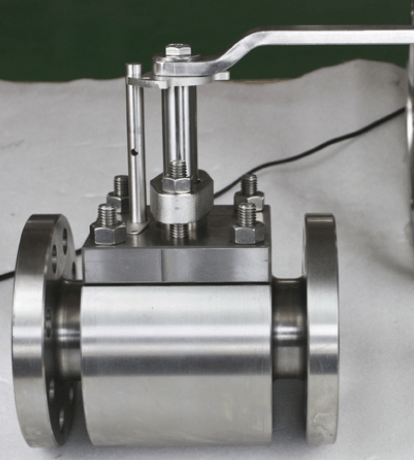
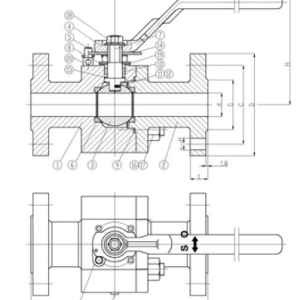
- Zirconium Floating Ball Valve: Quarter-turn isolation for corrosive media with soft or specialised seats.
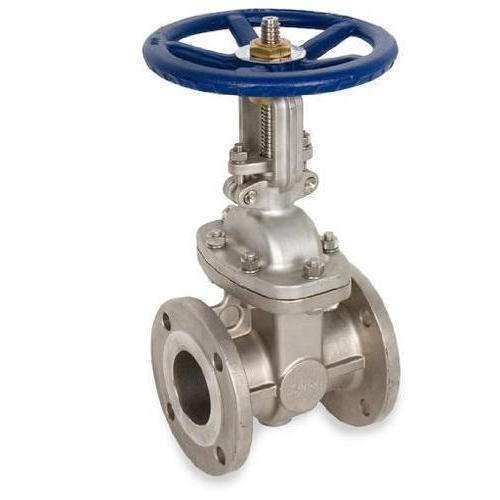
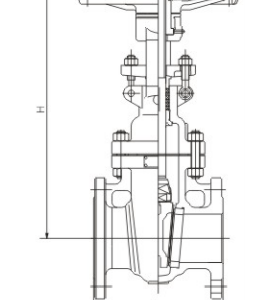
- Zirconium Gate Valve: Straight-through isolation with low flow resistance; mainly for on/off service.
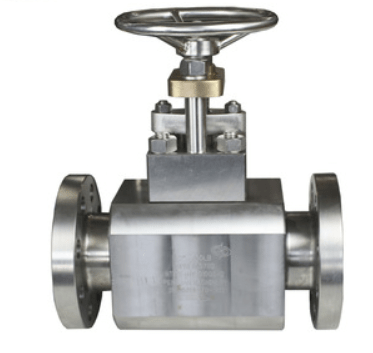
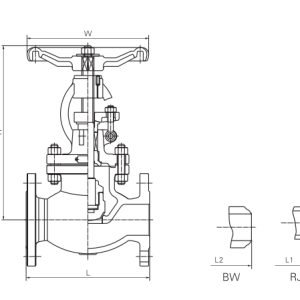
- Zirconium Globe Valve: Linear disc movement for throttling and controlled flow isolation.
- Wetted Components: Body, bonnet, ball/disc, gate, stem and seat ring can be zirconium.
- Trim Compatibility: All wetted trim should be checked for chemical compatibility with the process fluid.
Technical Specifications
| Parameter | Typical Specification |
| Material Grades | Zirconium 702 / UNS R60702; Zirconium 705 / UNS R60705 |
| Valve Types | Floating Ball, Gate, Globe |
| Size Range | DN15–DN600 across the range; valve-type dependent |
| Pressure Rating | PN10–PN250 / ASME Class 150–2500 depending on qualified design |
| Body Construction | Cast, forged or fabricated according to valve type |
| Wetted Trim | Zirconium 702/705 or compatible corrosion-resistant material |
| Seat Options | PTFE, RPTFE, PEEK or Metal depending on service |
| Packing | PTFE, Graphite or chemically compatible packing |
| End Connections | Flanged, Butt Weld, Socket Weld depending on valve design |
| Operation | Manual, Gear, Pneumatic or Electric |
| Pressure Design | ASME B16.34 or applicable valve-specific requirement |
| Testing | API 598 / EN 12266-1 or project-specific testing |
Chemical Concentration and Temperature Effects
Corrosion behaviour must be evaluated using both chemical concentration and operating temperature.
A zirconium alloy that performs well at low temperature can experience a different corrosion rate when temperature increases.
Important variables include:
- Acid concentration
- Temperature
- Water content
- Oxidizing contaminants
- Reducing conditions
- Chlorides
- Fluorides
- Process impurities
- Fluid velocity
- Crevice conditions
Material-selection data should therefore reflect the maximum credible process condition, not only normal operating conditions.
Where the chemical composition varies during start-up, shutdown, cleaning or upset conditions, these temporary conditions should also be reviewed.
Material Compatibility and Limitations
Zirconium is highly corrosion resistant in selected chemical processes, but it has important limitations.
- Fluoride Media: Avoid zirconium where hydrofluoric acid or high fluoride levels can damage the oxide layer.
- Seat & Packing: Check PTFE, graphite and other seals separately for media compatibility.
- Galvanic Interaction: Evaluate contact with dissimilar metals in conductive fluids.
- Temperature: Seat, gasket or packing limits may control the valve temperature rating.
- Process Contamination: Trace impurities can change corrosion behaviour, so actual process chemistry should be reviewed.
Acid Processing Applications
Zirconium valves can be considered for severe chemical-processing applications including:
- Hydrochloric acid production and transfer
- Sulphuric acid processing under suitable conditions
- Acetic acid systems
- Organic acid processing
- Specialty chemical production
- Chemical reactors
- Acid recovery
- Corrosive waste treatment systems
- Fine chemical production
- Metal processing chemical systems
Ball and gate valves are primarily used for isolation, while globe valves provide a suitable option where throttling is required.