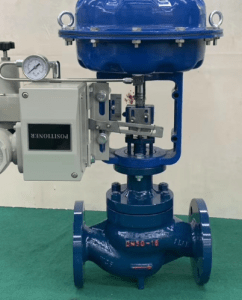


Why Industrial Valves Fail Prematurely is a question frequently raised during plant audits, shutdown reviews, and reliability assessments. Valve failure is rarely the result of a single defect; instead, it is often caused by a combination of design assumptions, operating conditions, and maintenance practices that diverge over time. Industrial valves operate under pressure, temperature, and flow conditions that can change significantly from original specifications. In regulated facilities, including many operating in Europe, understanding premature valve failure is essential for improving safety, reducing unplanned downtime, and extending asset life without treating valves as disposable components.
Mismatch Between Valve Design and Service Conditions
One of the most common reasons industrial valves fail early is incorrect application. Valves are often selected based on nominal pressure and temperature ratings, while real operating conditions may involve frequent cycling, pressure spikes, or aggressive media.
Typical mismatches include:
- Valves designed for isolation being used for throttling
- Soft-seated designs exposed to high temperatures
- Standard materials used in corrosive or abrasive service
From a valve manufacturer perspective, these issues usually arise during the specification stage rather than during production. When actual service conditions exceed the design intent, accelerated wear and leakage become unavoidable. Over time, even robust designs will fail if they are consistently pushed beyond their functional limits.
Material Incompatibility and Degradation
Material selection plays a critical role in valve longevity. Premature failure often occurs when valve body, trim, or sealing materials are not fully compatible with the process fluid or operating temperature.
Common material-related issues include:
- Corrosion due to chemical incompatibility
- Erosion from high-velocity or particle-laden fluids
- Thermal degradation of seals and packing
These problems may not be immediately visible during commissioning. Instead, degradation progresses internally until leakage or seizure occurs. Internal technical references discussing [valve material compatibility] and [corrosion mechanisms in process equipment] highlight how small material mismatches can significantly shorten service life.
Installation and Piping Stress Effects
Even correctly specified valves can fail prematurely if installation practices introduce unintended stress. Misalignment, excessive flange loading, or inadequate pipe support can distort valve bodies and affect internal sealing surfaces.
Installation-related contributors include:
- Misaligned flanges forcing the valve into position
- Uneven bolt tightening leading to body distortion
- External loads transferred from unsupported piping
Such stresses may not cause immediate leakage but can gradually compromise seat alignment and packing integrity. Over time, these conditions increase the likelihood of operational issues, particularly in systems subject to thermal expansion and contraction.
Operational Practices and Cycling Frequency
Valve operation patterns have a direct impact on service life. Valves that are cycled more frequently than intended experience higher mechanical wear, while valves that remain static for long periods may seize or develop seal adhesion.
Common operational contributors include:
- Excessive cycling in control or throttling service
- Infrequent operation of isolation valves
- Rapid opening or closing causing pressure shocks
Pressure surges and water hammer can damage seating surfaces and internal components. In many cases, premature failure is linked not to valve design but to how the valve is operated within the system. Guidance on operational suitability is often covered in internal discussions on [valve application limits] and [flow-induced damage prevention].
Packing, Sealing, and Gasket Issues
Leakage from packing and body joints is a frequent indicator of early valve deterioration. Packing systems are designed to accommodate stem movement while maintaining a seal, but they are sensitive to temperature variation and mechanical wear.
Factors contributing to premature sealing failure include:
- Incorrect packing material selection
- Over-tightening during maintenance
- Thermal cycling causing packing relaxation
Similarly, gasket failures at body or bonnet joints can occur if materials are not suitable for the service temperature or pressure. These issues are often addressed reactively, but repeated adjustment without root cause analysis can accelerate overall valve degradation.
Maintenance Strategy Limitations
Inadequate or misaligned maintenance practices are another major contributor to early valve failure. Valves may be over-maintained, under-maintained, or maintained without regard to actual service conditions.
Typical maintenance-related causes include:
- Lack of periodic inspection and functional testing
- Deferred replacement of worn components
- Insufficient documentation of service history
As a valve manufacturer supporting industrial installations in Europe, these factors are commonly reviewed during reliability assessments. Valves that appear to fail “unexpectedly” often show clear warning signs when maintenance records and operating history are examined together.
Environmental and External Influences
External environmental factors are sometimes overlooked during valve selection and installation. Exposure to moisture, dust, vibration, or temperature extremes can affect valve performance even when internal conditions are well controlled.
Examples include:
- Corrosion under insulation in outdoor installations
- Vibration-induced loosening of fasteners
- Environmental temperature swings affecting clearances
These influences are especially relevant in facilities with outdoor piping systems or mobile equipment. Addressing environmental exposure during design can significantly improve valve service life.
Conclusion
Industrial valves fail prematurely not because of isolated defects, but due to the cumulative effect of specification gaps, operating realities, and maintenance limitations. Understanding these root causes allows engineers and operators to address problems systematically rather than replacing valves reactively. By aligning valve design, materials, installation practices, and operational use with actual service conditions, premature failures can be reduced significantly. At ValvesOnly Manufacturer in Europe, technical evaluations often emphasize this holistic view of valve performance. A disciplined, engineering-driven approach helps extend valve life while maintaining safety, compliance, and operational reliability—without turning failure analysis into a sales exercise.