Our Shop
Contact us for all your questions and requirements
Ball Valve Manufacturer in Germany
Ball valves are used for tight shutoff and fast isolation in pipeline systems handling liquids and gases under pressure. In Germany’s industrial applications, these valves are selected where reliable sealing, low pressure drop, and quick operation are critical to system performance.
As a Ball Valve Manufacturer in Germany, ValvesOnly Europe supplies valves built to meet EN standards with precise machining, material traceability, and consistent performance in high-pressure, high-temperature, and corrosive service conditions.
Working Principle of Ball Valve
Ball valves operate using a spherical closure element with a central bore. When aligned with the pipeline, flow passes through; rotating the ball by 90 degrees stops the flow completely.
This quarter-turn mechanism allows quick operation and is suitable for both manual systems and automated setups using pneumatic or electric actuators.
Advantages of Ball Valves in Industrial Applications
- Fast shutoff with simple quarter-turn operation
- Tight sealing performance with low leakage rates
- Minimal pressure drop in full-bore design
- Suitable for high-pressure and high-temperature conditions
- Easy integration with automated control systems
Types of Ball Valves Offered
Valve selection depends on pressure conditions, installation requirements, and the nature of the process media.
- Double Block and Bleed Ball Valve – Provides dual isolation with a bleed port for safe maintenance and pressure release
- Forged Steel Ball Valve – Used in high-pressure and high-temperature applications requiring enhanced strength
- Cast Iron and Cast Steel Ball Valve – Suitable for general industrial services with robust construction
- Floating Ball Valve – Designed for low to medium pressure applications with simple seat-supported design
- Heavy Duty Investment Casting Ball Valve – Offers precision casting with improved surface finish and durability
- Fully Welded Ball Valve – Ideal for pipeline and underground installations where zero leakage is critical
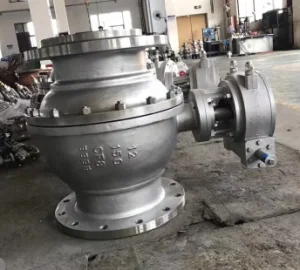
- Top Entry Ball Valve – Allows internal maintenance without removing the valve from the pipeline
- Trunnion Ball Valve – Designed for high-pressure systems with reduced operating torque
- Jacketed Ball Valve – Used in applications requiring temperature control of the media
- Investment Casting Ball Valve – Provides dimensional accuracy and consistent performance in industrial service
Ball Valve Design Standards (EN / DIN)
- EN 12516 – Pressure-temperature ratings
- EN 558 – Face-to-face dimensions
- EN 1983 – Steel ball valve design
- DIN standards for industrial valve construction
Inspection and Testing Standards for Ball Valves
- EN 12266 – Pressure testing
- ISO 5208 – Leakage testing
- API 6D – Pipeline valve testing (where required)
Body and Trim Material Compatibility
Material selection is based on operating pressure, temperature range, and media characteristics, especially for corrosive, high-temperature, and high-pressure applications.
| Material | European Grade | Typical Applications |
|---|---|---|
| Stainless Steel | EN 1.4408 / 1.4404 | Chemical processing, water treatment, general industrial service |
| Carbon Steel | EN 1.0619 / 1.0618 | Oil and gas pipelines, high-pressure systems |
| Duplex Stainless Steel | EN 1.4462 | Offshore, seawater handling, corrosive environments |
| Super Duplex Stainless Steel | EN 1.4410 | High chloride media, aggressive chemical applications |
| Alloy 20 | EN 2.4660 | Sulfuric acid, chemical processing, acidic media |
| Hastelloy | EN 2.4819 / 2.4602 | Severe corrosion resistance, chemical and petrochemical plants |
| Inconel | EN 2.4816 / 2.4856 | High-temperature and oxidation-resistant applications |
| Incoloy | EN 1.4876 / 2.4858 | Heat exchangers, high-temperature service environments |
| Titanium | EN 3.7035 / 3.7165 | Seawater, desalination, highly corrosive media |
| Aluminium Bronze | EN CW307G | Marine applications, seawater systems |
| Bronze | EN CC491K | Low-pressure water and marine applications |
| Brass | EN CW617N | General utility and non-corrosive service |
Industrial Applications of Ball Valves
- Oil and Gas Processing – Pipeline isolation and flow control
- Petrochemical Plants – Handling corrosive and hazardous fluids
- Power Generation – Steam and utility systems
- Chemical Processing – Controlled flow in reactive media
- Water and Wastewater – Distribution and treatment systems
- Marine and Offshore – Seawater and offshore pipelines
Special Features and Customization Options
- Fire-safe construction options for critical service conditions
- Anti-static device for handling flammable media
- Custom bore sizes based on flow requirements
- Actuator mounting options for automation
- Extended stem options for insulated or buried pipelines
Share your operating medium, pressure rating, temperature range, valve size, and actuation requirements. Our team will assist in selecting the right ball valve configuration for your application.
Showing 1–16 of 24 results
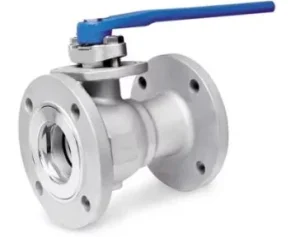
1 Piece Flanged Ball Valve
Price range: €25.77 through €386.69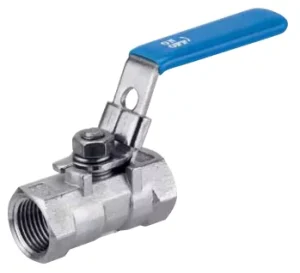
1 Piece Screwed Ball Valve
Price range: €6.59 through €105.69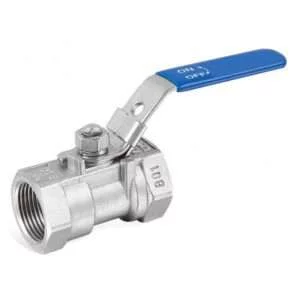
1 Piece Screwed Cast Iron Ball Valve
Price range: €4.66 through €82.39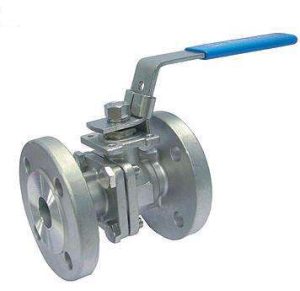
2 Piece Cast Steel Ball Valve
Price range: €22.64 through €134.40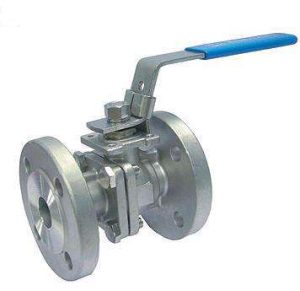
2 Piece Flanged Ball Valve
Price range: €29.60 through €443.72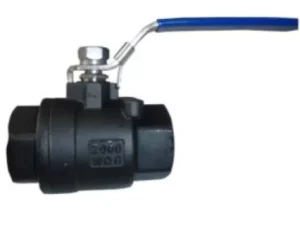
2 PIECE FORGED STEEL BALL VALVE
Price range: €25.00 through €296.00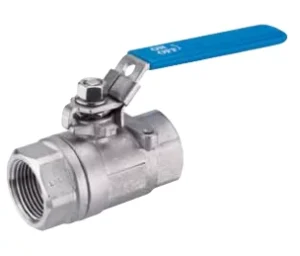
2 Piece Reduced Port Ball Valve
Original price was: €5,000.00.€4,500.00Current price is: €4,500.00.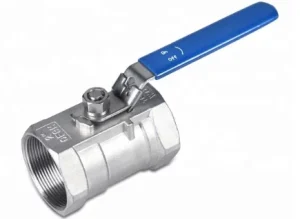
2 Piece Screwed Ball Valve
Price range: €5.81 through €184.60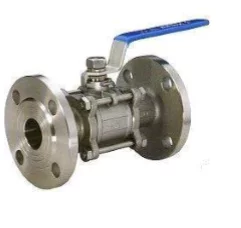
3 Piece Cast Iron Ball Valve
Price range: €12.89 through €2,808.32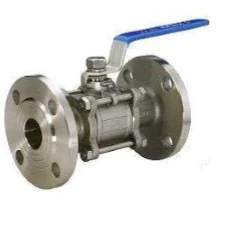
3 Piece Cast Steel Ball Valve
Price range: €13.57 through €3,295.44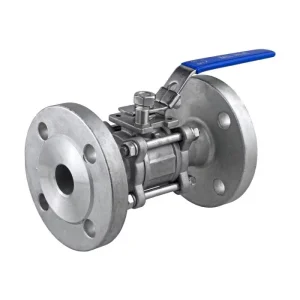
3 Piece Flanged Ball Valve
Price range: €19.39 through €818.86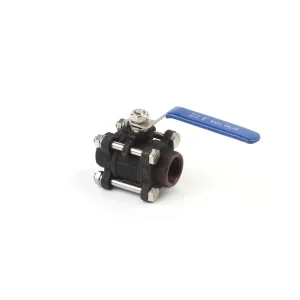
3 Piece Forged Steel Ball Valve
Price range: €29.00 through €348.00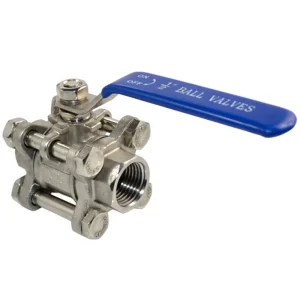
3 Piece Reduced Port Ball Valve
Price range: €13.61 through €114.62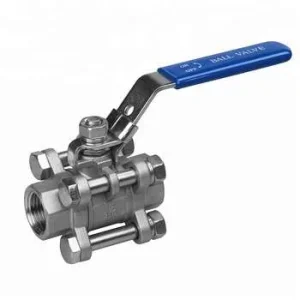
3 Piece Screwed Ball Valve
Price range: €6.40 through €176.87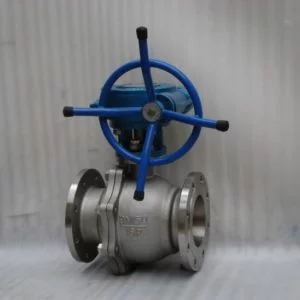
Cast Floating Ball Valve
Price range: €23.00 through €860.90