
Ball Valve Manufacturer in Germany
Ball valves provide rapid quarter turn isolation using a spherical closure element with a bore through its centre. When the bore aligns with the pipeline, fluid passes through the valve; rotating the ball by approximately 90 degrees moves the solid section across the flow path and isolates the line.
Quarter Turn Shut Off Performance:
Ball valves operate between the fully open and fully closed positions through approximately 90 degrees of stem rotation.
The quarter turn mechanism provides:
- Fast isolation
- Compact operation
- Low pressure loss in full bore designs
- Straight through flow
- Compatibility with manual or automated actuation
- Reliable seating across a wide range of process conditions
Ball valves are primarily used for isolation. Standard round-bore designs are generally not selected for continuous throttling because partial opening can expose the seats and ball surface to concentrated high velocity flow.
Ball valve Types:
The way the ball is supported significantly affects operating torque and pressure capability.
- Floating Ball Valve
- Trunnion Mounted Ball Valve
Full Bore and Reduced Bore Configurations:
Ball bore diameter determines pressure loss and flow capacity.
Full Bore Ball Valve
A full bore valve has an internal flow passage close to the pipeline bore. This minimizes flow restriction and pressure loss.
Full bore construction is commonly selected where:
- Low pressure drop is important
- Pipeline pigging is required
- High flow capacity is required
- Solids accumulation must be minimized
Reduced Bore Ball Valve
A reduced bore valve uses a smaller internal port than the pipeline diameter. This produces a more compact valve but creates greater flow restriction than a full bore design.
Ball Valve Body Construction:
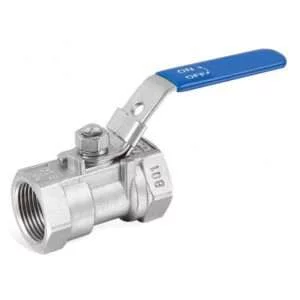
- One Piece: Compact body with fewer joints, generally used for smaller standard-duty valves.
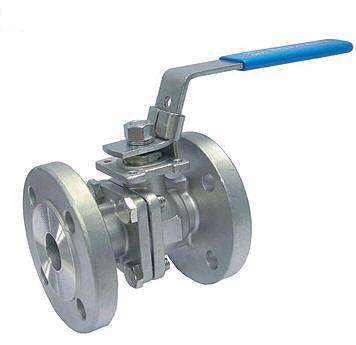
- Two Piece: Two-section body allowing ball and seat assembly; common in threaded and flanged designs.
- Three Piece: Removable centre section for easier maintenance without disturbing end connections.
- Other Designs: Top entry, side entry, fully welded, forged body, cast body and jacketed body.
Technical Specifications:
| Parameter | Typical Specification |
| Size Range | DN8–DN1600 depending on valve design |
| Pressure Rating | PN10–PN420 / ASME Class 150–2500 depending on configuration |
| Ball Support | Floating, Trunnion Mounted |
| Bore | Full Bore, Reduced Bore; characterised/V-port for selected control designs |
| Body Construction | One-Piece, Two-Piece, Three-Piece, Top Entry, Side Entry, Fully Welded |
| Body Materials | Carbon Steel, Stainless Steel, Forged Steel, Cast Steel, Duplex, Super Duplex and special alloys |
| Seat Materials | PTFE, RPTFE, PEEK, other engineered polymers, Metal |
| End Connections | Flanged, Threaded, Socket Weld, Butt Weld |
| Operation | Lever, Gearbox, Pneumatic, Electric or Hydraulic |
| Design Standards | API 6D, ISO 17292, ASME B16.34 where applicable |
| Fire Testing | API 607 / ISO 10497 where specifically tested |
| Testing | API 598 / API 6D / EN 12266-1 according to design |
Cavity Relief, Anti Static and Fire Safe Features:
Certain ball valve applications require additional safety features.
Cavity Pressure Relief
Relieves pressure caused by thermal expansion of fluid trapped inside the ball valve cavity.
Anti Static Device
Maintains electrical continuity between the ball, stem and body for suitable flammable-fluid service.
Fire Safe Construction
Uses secondary metal sealing to reduce leakage if soft seats are damaged by fire; certification applies only to models tested to standards such as API 607 or ISO 10497.
Seat Selection for Process Conditions:
- PTFE: Good chemical compatibility and low friction for general process service.
- RPTFE: Higher mechanical strength for increased pressure and temperature conditions.
- PEEK: Suitable for higher pressure and higher temperature service where chemically compatible.
- Metal Seat: Used for high temperature, abrasive, erosive and severe duty applications.
Seat selection should match the media, temperature, differential pressure, cycling frequency and required leakage class.
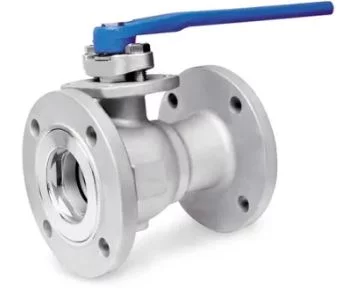
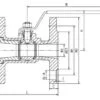
1 Piece Flanged Ball Valve
Price range: €25.77 through €386.69
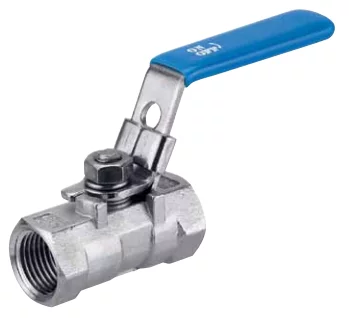
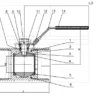
1 Piece Screwed Ball Valve
Price range: €6.59 through €105.69
1 Piece Screwed Cast Iron Ball Valve
Price range: €4.66 through €82.39
2 Piece Cast Steel Ball Valve
Price range: €22.64 through €134.40
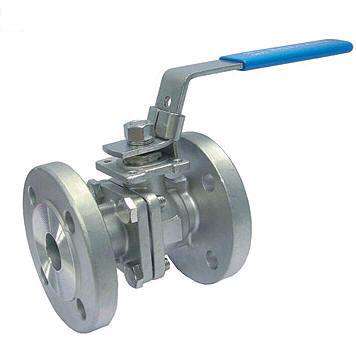
2 Piece Flanged Ball Valve
Price range: €29.60 through €443.72
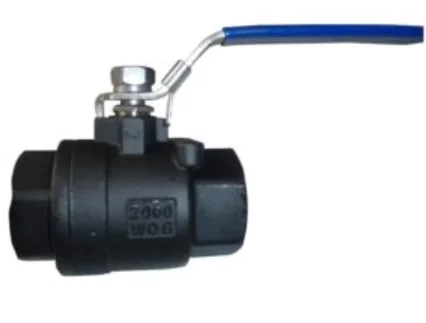
2 PIECE FORGED STEEL BALL VALVE
Price range: €25.00 through €296.00
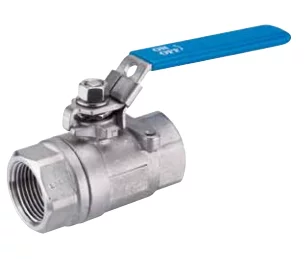
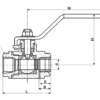
2 Piece Reduced Port Ball Valve
€4,500.00
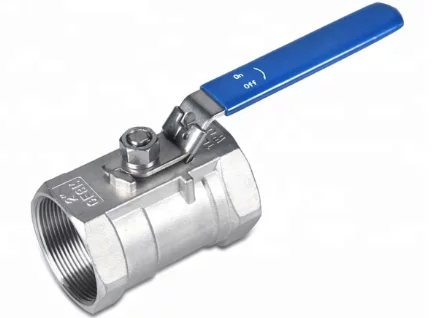
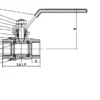
2 Piece Screwed Ball Valve
Price range: €5.81 through €184.60
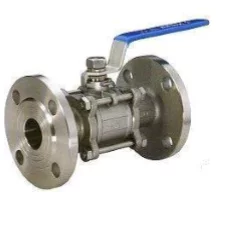
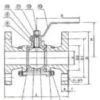
3 Piece Cast Iron Ball Valve
Price range: €12.89 through €2,808.32
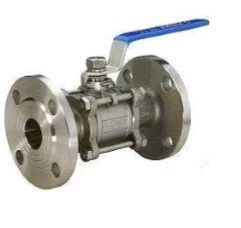
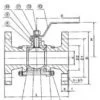
3 Piece Cast Steel Ball Valve
Price range: €13.57 through €3,295.44
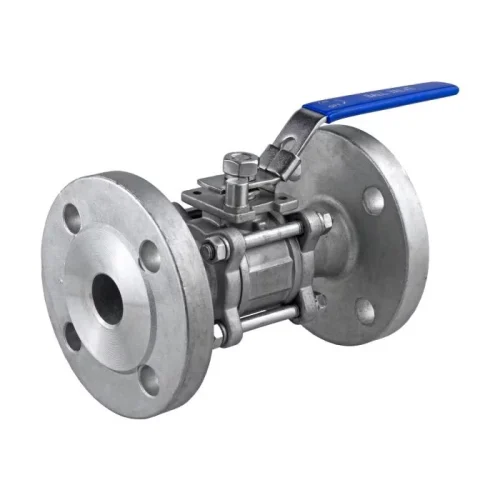
3 Piece Flanged Ball Valve
Price range: €19.39 through €818.86
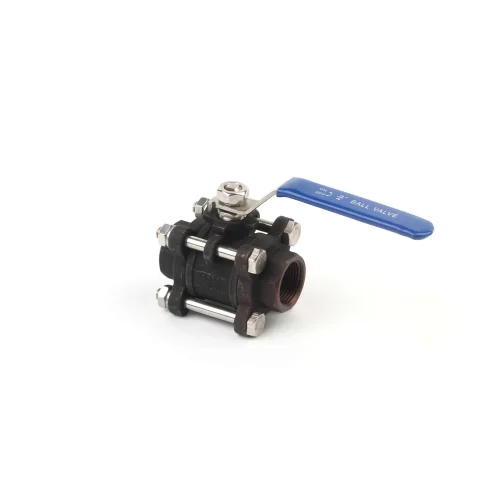
3 Piece Forged Steel Ball Valve
Price range: €29.00 through €348.00