
Brass Valve Manufacturer in Germany
Brass valves provide compact and economical flow isolation or regulation for water, compressed air, compatible fuels and general industrial utility systems. Brass is a copper-zinc alloy family that offers good machinability, corrosion resistance in suitable environments and reliable sealing for small- and medium-size valve construction.
Brass Valve Construction for Utility Service
Brass is commonly used for smaller valve bodies because it can be readily forged, cast and machined into complex pressure-containing components.
Typical brass valve construction can include:
- Forged or cast brass body
- Brass bonnet
- Brass or stainless-steel stem
- Chrome-plated or nickel-plated brass ball
- PTFE seating
- Elastomeric seals
- Threaded or flanged end connections
The exact construction depends on valve type, pressure rating and service medium.
Brass valves are normally selected for moderate pressure and temperature conditions rather than severe high-temperature or highly corrosive industrial processes.
Ball, Gate, Globe and Check Configurations:
- Brass Ball Valve: Quarter-turn isolation using a bored rotating ball; available in full-bore or reduced-bore designs.
- Brass Gate Valve: Provides on/off isolation using a rising or non-rising gate and is intended for fully open or closed service.
- Brass Globe Valve: Uses linear disc movement for throttling and controlled flow adjustment.
- Brass Check Valve: Prevents reverse flow using swing, lift or spring-loaded closure mechanisms.
- Other Designs: Safety, drain and utility valve configurations can be selected according to service requirements.
Standard and Dezincification Resistant Brass:
Not all brass grades provide the same performance in water systems.
Standard Brass
- Conventional copper-zinc alloy
- Used for general water, air and utility service
- Suitable where dezincification risk is low
- CW617N can be used for suitable forged valve components
Dezincification Resistant Brass
- Designed to reduce selective zinc loss in aggressive water conditions
- Common European DZR grade: CW602N
- Used where water chemistry increases dezincification risk
- Potable water use depends on country specific material and product approvals
Technical Specifications:
| Parameter | Typical Specification |
| Valve Types | Ball, Gate, Globe, Check and selected utility valves |
| Typical Size Range | DN8–DN100 depending on design |
| Typical Pressure Rating | PN10–PN40 depending on valve type |
| Body Materials | Standard Brass, DZR Brass |
| European Grades | CW617N, CW602N or other specified grades where applicable |
| Ball | Chrome/Nickel-Plated Brass or suitable corrosion-resistant material |
| Stem | Brass or Stainless Steel |
| Seats | PTFE, RPTFE or service-specific polymer |
| Seals | NBR, EPDM, FKM or other compatible elastomer |
| End Connections | BSP, BSPT, NPT Threaded, Compression or Flanged depending on design |
| Operation | Lever, Handwheel or automatic actuation for selected models |
| Testing | EN 12266-1 or applicable product requirement |
| Applications | Water, Air, compatible gases and utility fluids |
Pressure and Temperature Limitations
Brass valves are generally intended for lower pressure-temperature combinations than heavy industrial carbon-steel or alloy-steel valves.
The maximum rating depends on:
- Brass grade
- Body design
- Valve size
- Seat material
- Seal material
- End connection
- Operating temperature
Pressure capability normally decreases as operating temperature increases.
For hot water or steam applications, valve suitability should be confirmed against the manufacturer’s pressure temperature chart rather than relying only on the nominal PN value.
Threaded and Flanged Connections
Threaded Brass Valve
Threaded connections are the most common configuration for smaller brass valves.
Connections can include:
- BSP parallel threads
- BSPT tapered threads
- NPT threads
The thread standard must match the connected piping to avoid poor engagement or leakage.
Flanged Brass Valve
Larger brass or bronze-type valve designs can use flanged connections where greater installation rigidity or easier removal is required.
Flange drilling should match the applicable EN, DIN or project piping standard.
Care should be taken during installation to avoid excessive tightening loads on threaded brass bodies.
Water, Air and Fuel Applications
Brass valves are used across utility and light-industrial systems where operating conditions are compatible with the alloy and sealing materials.
Typical applications include:
- Cold-water distribution
- Hot-water systems
- Industrial process water
- Compressed-air networks
- Pneumatic equipment
- Irrigation systems
- Building services
- Heating circuits
- Compatible fuel and oil systems
- General utility piping
For potable-water applications, the exact brass composition and product approval should comply with applicable national requirements.
For fuel or oil service, seat and seal compatibility must be confirmed because a brass body alone does not establish suitability for the fluid.
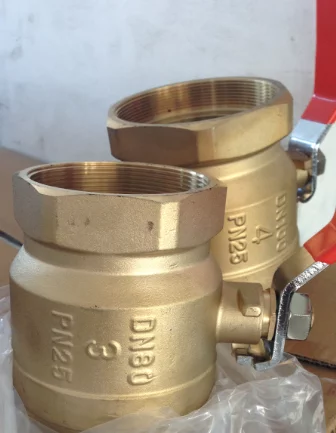
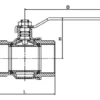
Brass Ball Valve
Price range: €6.13 through €94.45
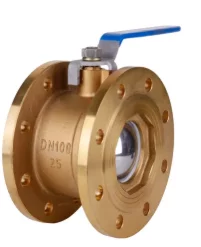
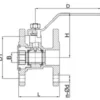
Brass Flanged Ball Valve
Price range: €27.12 through €411.59
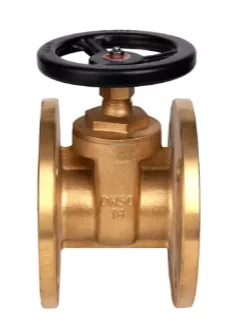
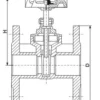
Brass Flanged Gate Valve
Price range: €21.79 through €490.97
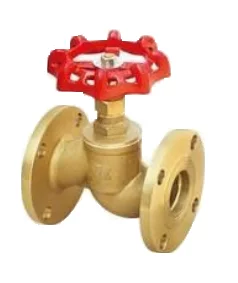
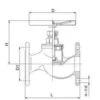
Brass Flanged Globe Valve
Price range: €20.88 through €627.62
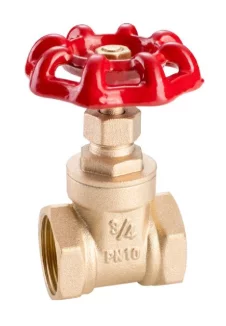
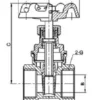
Brass Gate Valve
Price range: €6.43 through €89.25
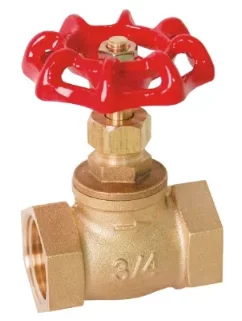
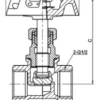
Brass Globe Valve
Price range: €7.02 through €110.07
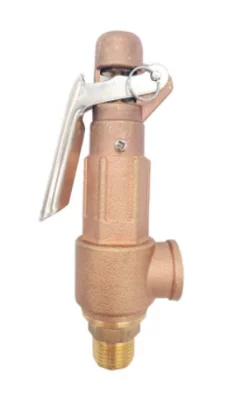
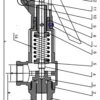
Brass Safety Valve
Price range: €15.35 through €88.65
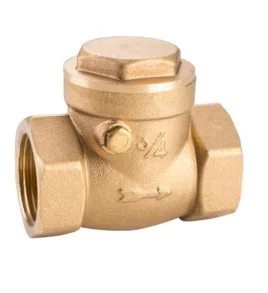
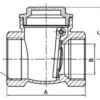
Brass Swing Check Valve
Price range: €6.24 through €185.14
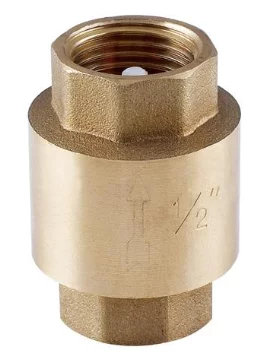
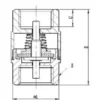
Brass Vertical Check Valve
Price range: €6.07 through €84.04
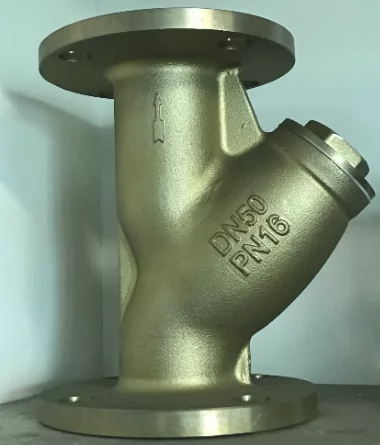
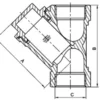
Brass Y Strainer
Price range: €6.30 through €102.26