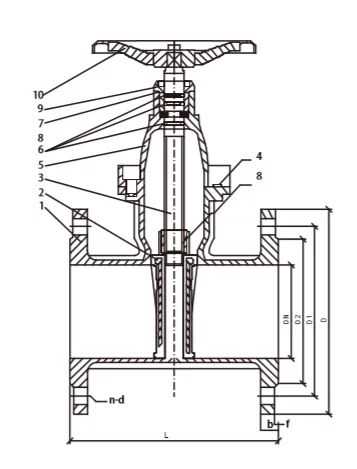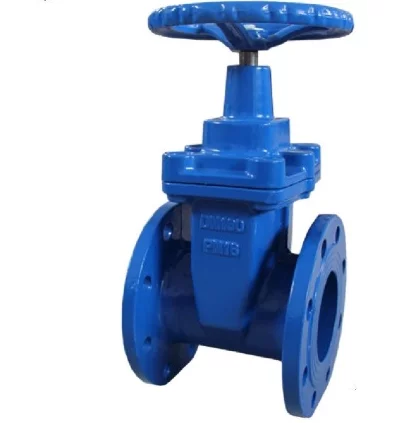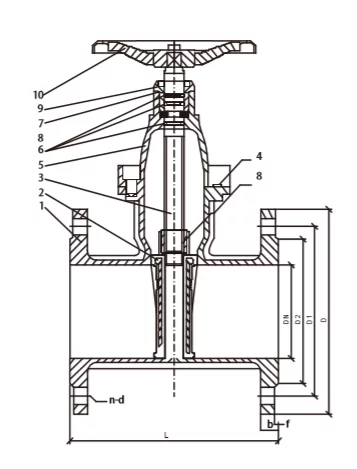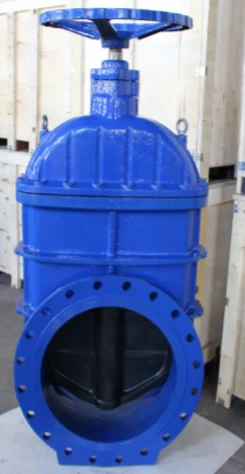

Gate Valve Manufacturer in Germany
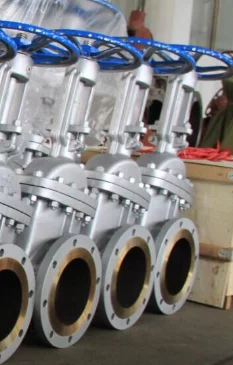
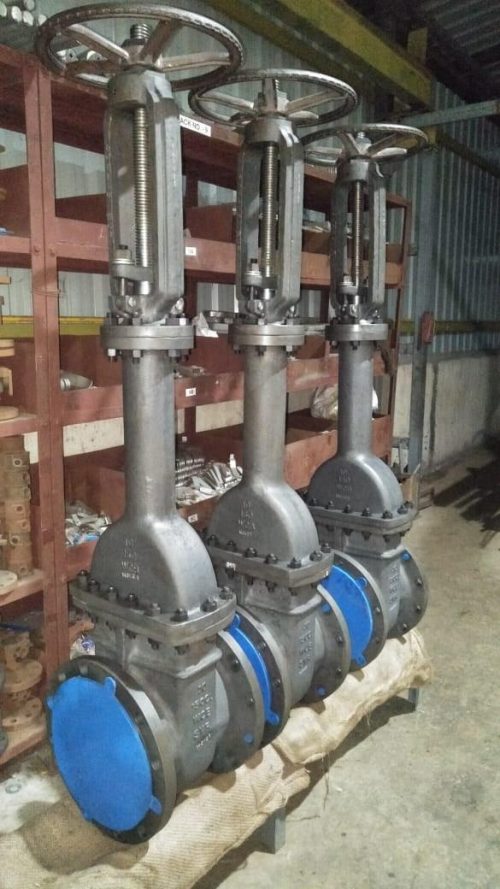
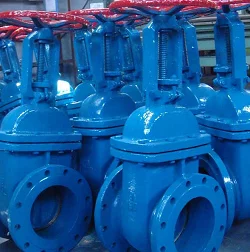
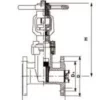
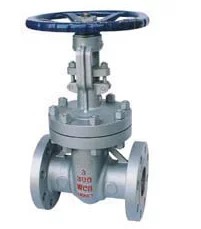
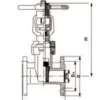
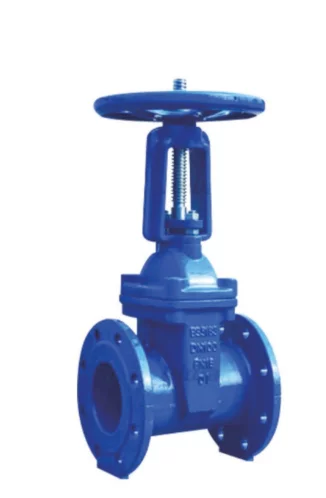
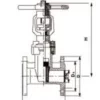
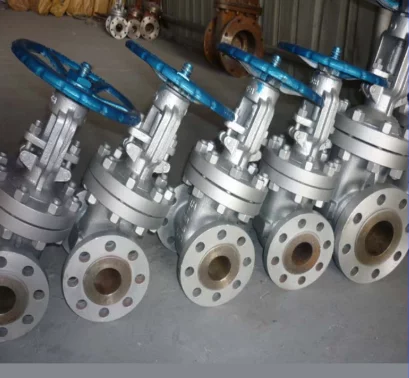
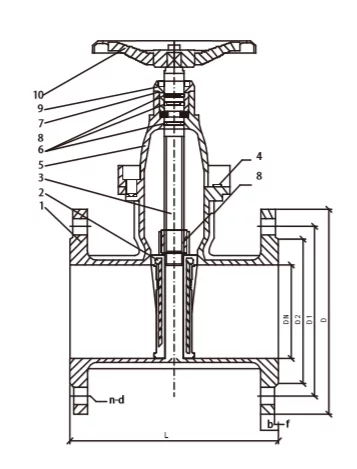
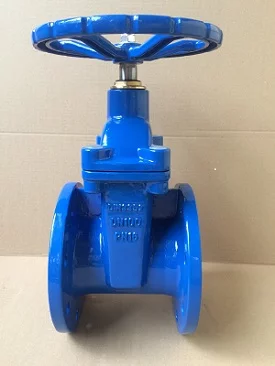
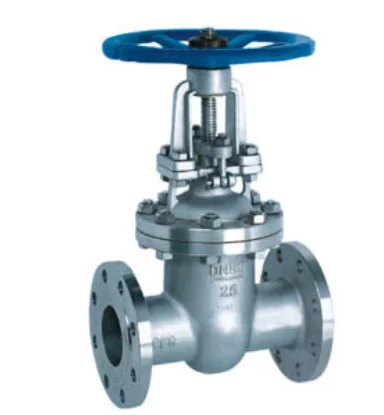
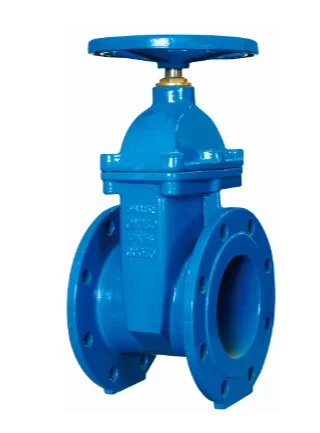
Gate valves provide straight through isolation by moving a wedge, gate or parallel disc perpendicular to the direction of flow. When fully open, the closure element is removed from the flow path, producing a relatively unrestricted bore and low pressure loss. They are therefore primarily selected for on/off isolation rather than continuous throttling.
Full Bore Isolation in Industrial Pipelines:
During opening, the gate moves away from the seating surfaces until the flow passage is substantially unobstructed.
This provides several advantages for isolation duty:
- Low pressure loss in the fully open position
- Straight through flow path
- Suitability for large pipeline sizes
- Limited obstruction to pipeline flow
- Effective separation of upstream and downstream sections
Gate valves should normally be operated either fully open or fully closed. Prolonged operation in partially open positions can expose the gate and seats to high velocity flow, vibration and erosion.
Wedge and Parallel Gate Designs:
Gate geometry influences sealing behaviour, operating force and suitability for pressure and temperature conditions.
- Solid Wedge: One-piece wedge for reliable shut off in general industrial piping.
- Flexible Wedge: Allows slight movement to accommodate thermal and piping stresses.
- Split Wedge: Separate wedge sections align with the seats for effective shut off.
- Parallel Slide / Double Disc: Parallel seating design suited to steam and thermal-cycling service.
Technical Specifications:
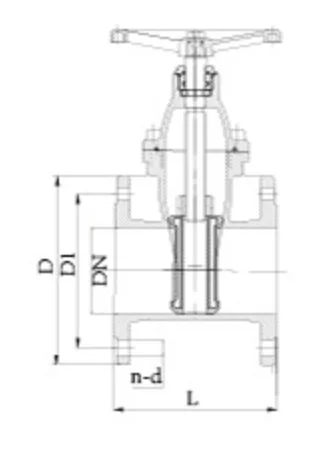
| Parameter | Typical Specification |
| Size Range | DN15–DN1200 |
| Pressure Rating | PN10–PN400 / ASME Class 150–2500 |
| Gate Designs | Solid Wedge, Flexible Wedge, Split Wedge, Parallel Disc |
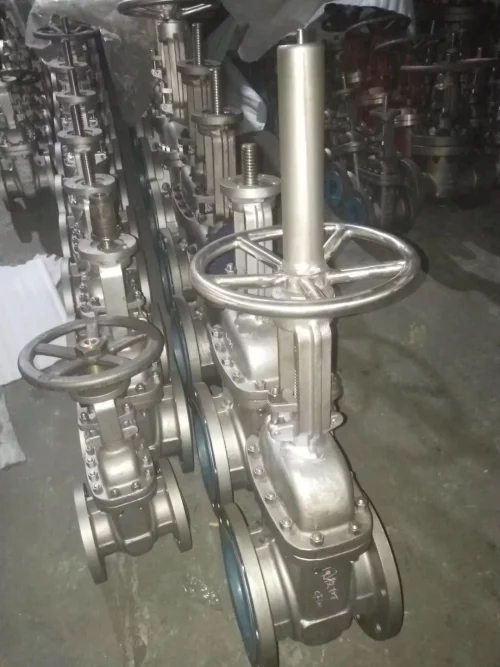
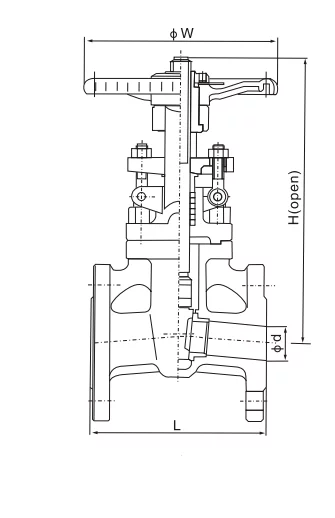
| Stem Design | Rising Stem, OS&Y, Non-Rising Stem |
| Bonnet | Bolted, Welded, Pressure Seal |
| Body Materials | WCB/WCC, LCB/LCC, WC6/WC9, CF8/CF8M, Forged Carbon Steel, Duplex and Super Duplex |
| Trim Materials | 13Cr Stainless Steel, SS316, hard-faced/Stellite options, special alloys where required |
| Seat | Metal Seat or Soft Seat depending on valve design |
| End Connections | RF/RTJ Flanged, Butt Weld, Socket Weld, Threaded |
| Operation | Handwheel, Gearbox, Electric, Pneumatic or Hydraulic |
| Design Standards | API 600, API 602, API 603, EN 1984, ASME B16.34 where applicable |
| Testing | API 598 / EN 12266-1 / ISO 5208 where applicable |
Either use one in category and the other in product , cannot indicate material twice in just category
Pressure Seal and Cryogenic Configurations:
Special gate valve constructions are used where normal bolted-bonnet designs are not optimal.
Pressure Seal Gate Valve
Pressure seal gate valves are selected for high-pressure and high-temperature systems such as main steam, feedwater and power generation piping.
As internal pressure rises, the pressure-seal arrangement increases loading on the bonnet sealing element.
Cryogenic Gate Valve
Cryogenic gate valves use materials capable of retaining toughness at low temperatures and can incorporate extended bonnet arrangements to protect the stem packing from direct exposure to cryogenic fluid temperatures.
Typical cryogenic construction may use:
- LCB or LCC for applicable low temperature service
- Austenitic stainless steels for very low temperature duties
- Extended bonnet
- Low temperature compatible packing and gasket materials
The required configuration depends on the minimum design temperature and process medium.
Selection for Isolation Duty:
Gate valve selection should start with the required isolation function and operating conditions.
Consider:
- Nominal pipeline size
- Pressure class
- Operating temperature
- Media composition
- Corrosion allowance
- Required end connections
- Installation space
- Frequency of operation
- Stem arrangement
- Seat leakage requirement
- Manual or automated operation