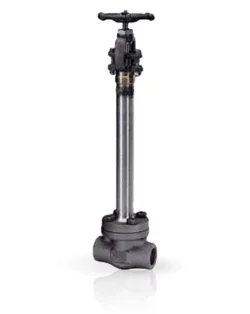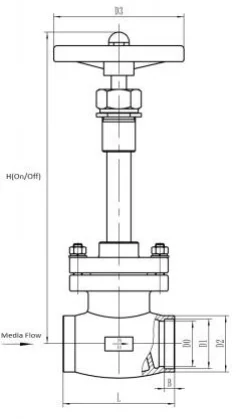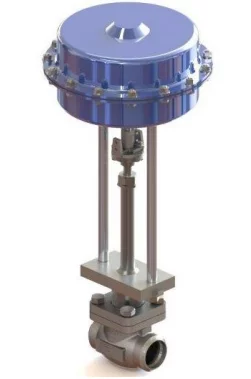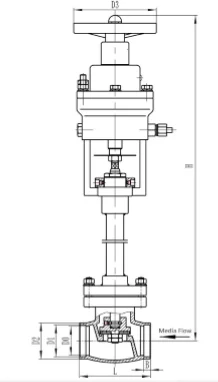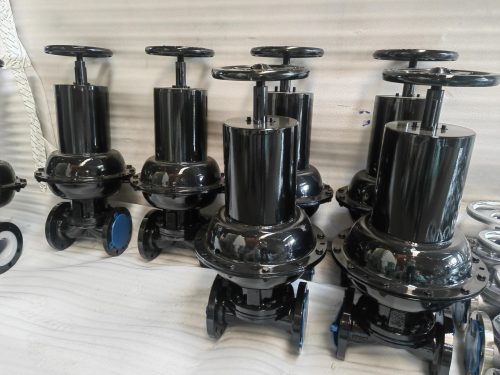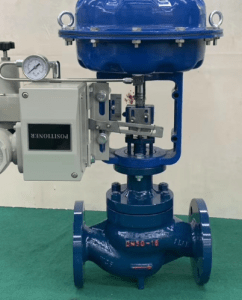

High Performance Cryogenic Valve Manufacturer in Germany
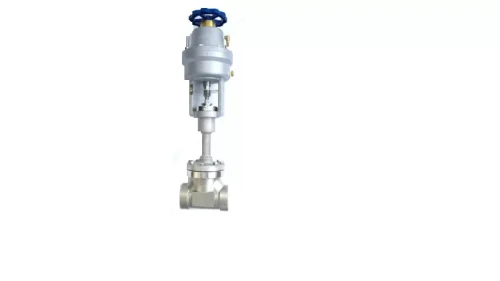
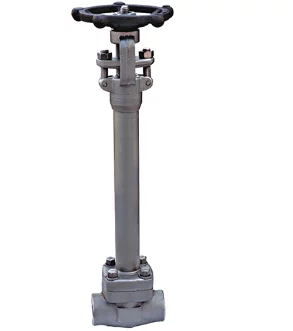
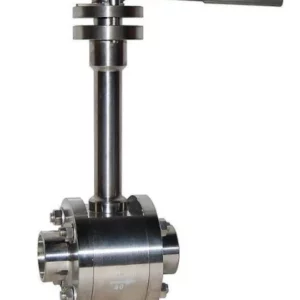
Cryogenic valves are designed for the safe isolation and control of fluids operating at extremely low temperatures. They are widely used in LNG facilities, industrial gas plants, cryogenic storage systems and low-temperature process pipelines. Unlike conventional industrial valves, cryogenic valves require specialised materials, sealing arrangements and construction to maintain reliable performance during temperature changes.
Our cryogenic valve manufacturing range includes solutions for liquefied natural gas (LNG), liquid nitrogen, liquid oxygen, liquid argon and other low-temperature fluids. Valves can be configured with extended bonnets, cryogenic-compatible seats, suitable body materials and manual or automated operation to meet specific project requirements.
Cryogenic Valve Technical Specifications
|
Parameter |
Typical Specification |
|---|---|
|
Valve Types |
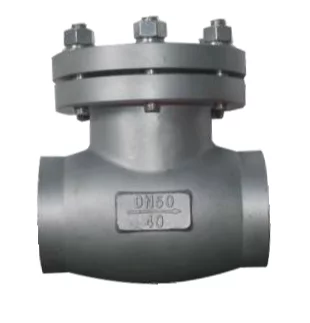
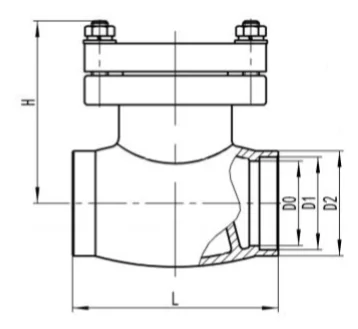
Ball, gate, globe and check valves |
|
Size Range |
According to valve design and project requirements |
|
Pressure Rating |
According to valve design and material specifications |
|
Temperature Range |
Down to −196°C for suitably qualified configurations |
|
Body Materials |
ASTM A351 CF8, CF8M, CF3, CF3M; ASTM A352 LCB/LCC for suitable low-temperature applications |
|
Forged Materials |
ASTM A182 F304, F304L, F316 and F316L |
|
Trim Materials |
Stainless steel and other cryogenic-compatible materials |
|
Seat Materials |
PCTFE, qualified PTFE-based materials or metal seating |
|
Stem Packing |
Graphite, PTFE-based or other suitable packing materials |
|
Bonnet Construction |
Extended bonnet or extended stem, depending on valve design |
|
End Connections |
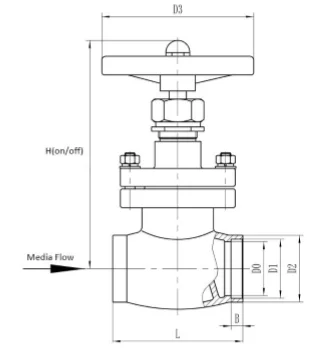
Flanged, butt weld, socket weld or threaded |
|
Operation |
Manual, gear-operated, pneumatic or electric |
|
Cavity Pressure Relief |
Self-relieving seats, relief holes or other suitable arrangements |
|
Design Standards |
ASME B16.34, EN 12516 or applicable product standards |
|
Cryogenic Requirements |
ISO 28921-1; BS 6364 where specified |
|
Cryogenic Type Testing |
ISO 28921-2, where applicable |
|
Pressure Testing |
API 598 / EN 12266-1, as applicable |
|
Material Documentation |
EN 10204 3.1 / 3.2, where required |
|
European Compliance |
PED 2014/68/EU, where applicable |
Specifications depend on valve construction, operating conditions and project requirements. Material suitability and pressure-temperature limits must be verified for the intended service.
Cryogenic Valve Design and Construction
Cryogenic valves must withstand significant temperature differences while maintaining mechanical strength and sealing performance. Their construction is selected according to the operating medium, minimum design temperature, pressure and installation requirements.
Important design considerations include:
Maintaining material toughness at low temperatures
Accommodating thermal contraction of internal components
Maintaining seat and stem sealing during temperature cycling
Protecting stem packing from direct exposure to cryogenic fluids
Preventing excessive pressure in trapped-liquid cavities
Maintaining suitable operating torque and stem thrust
Ensuring reliable operation after cool-down
Proper material and sealing selection is essential for consistent operation in cryogenic service.
Extended Bonnet and Stem Construction
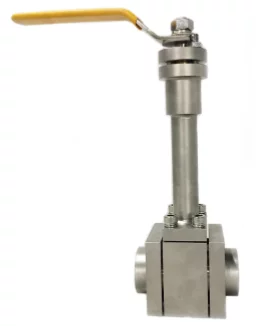
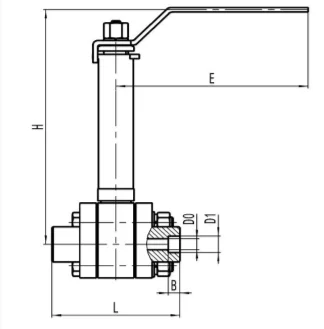
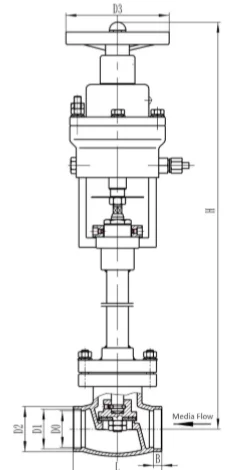
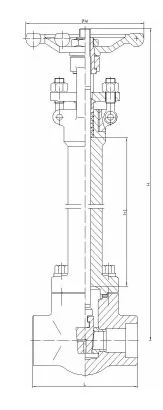
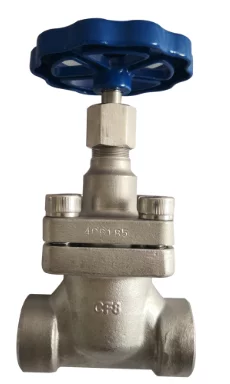
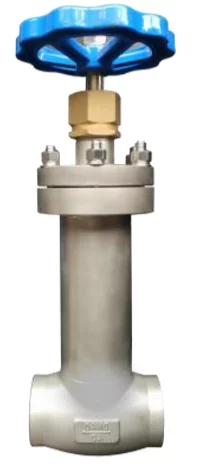
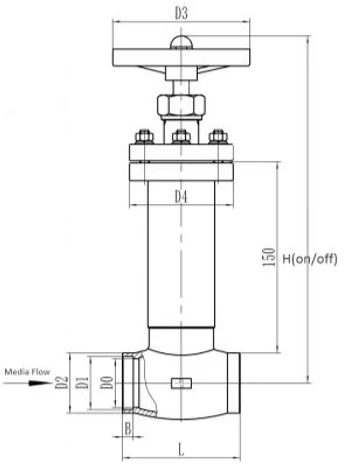
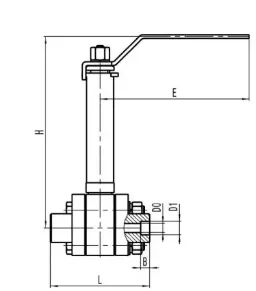
Extended bonnet construction is a common feature of cryogenic valves. It increases the distance between the low-temperature process fluid and the stem packing, helping maintain the packing within its suitable operating temperature range.
The required extension length depends on the valve size, process temperature, piping insulation and installation arrangement. An extended stem also provides clearance above the insulation, allowing easier access to the handwheel, gearbox or actuator.
The installation orientation should follow the specified valve design to maintain the intended thermal performance and sealing integrity.
Low-Temperature Materials and Sealing Arrangements
Material selection plays an important role in cryogenic valve performance. Austenitic stainless steels are commonly used for very-low-temperature applications because they retain toughness under cryogenic conditions.
Low-temperature carbon steels may also be considered where the specified operating temperature falls within their qualified limits.
Seat materials such as PCTFE and suitable PTFE-based compounds can be used depending on the valve design, temperature and process medium. Metal seating may be selected for applications requiring specific sealing or operating characteristics.
Stem packing and bonnet sealing arrangements must also be compatible with the temperatures experienced at their installed locations.
Cavity Pressure Relief and Thermal Protection
Cryogenic liquids trapped inside a closed valve cavity can expand as the temperature increases. Without a suitable relief arrangement, this expansion may create excessive internal pressure.
Depending on the valve construction, cavity pressure relief may be provided through self-relieving seats, relief holes or dedicated venting arrangements.
The appropriate solution is selected according to the valve design, flow direction and operating conditions. Internal clearances and material combinations must also accommodate thermal contraction to maintain proper valve operation.
Cryogenic Valve Testing and Quality Requirements
Cryogenic valves may require additional testing to verify their suitability for low-temperature operation. Inspection and testing are determined by the valve type, applicable standards and project specifications.
Typical requirements may include:
Body and seat pressure testing
Cryogenic seat leakage testing
Low-temperature functional testing
Stem packing leakage verification
Operating torque or thrust verification
Material certificate review
Visual and dimensional inspection
The required testing temperature, acceptance criteria and documentation are established according to the relevant project requirements.
Manual and Actuated Cryogenic Valves
Cryogenic valves can be supplied with manual operators, gearboxes, pneumatic actuators or electric actuators.
Actuator selection depends on the valve size, operating differential pressure, required torque or thrust, operating time and available power supply.
For automated applications, suitable accessories may include position indicators, limit switches, solenoid valves and position transmitters.
Actuator sizing must account for the operating conditions, including any changes in seating friction and operating forces during low-temperature service.
Cryogenic Valve Industries and Applications
Cryogenic valves are used in industrial systems handling liquefied gases and low-temperature process fluids.
|
Industry |
Typical Applications |
|---|---|
|
LNG Processing |
Liquefaction, regasification and LNG process piping |
|
LNG Storage and Distribution |
Storage tanks, transfer lines, loading and unloading systems |
|
Industrial Gas Production |
Liquid nitrogen, oxygen and argon handling |
|
Air Separation Plants |
Cryogenic gas separation and associated process systems |
|
Chemical and Petrochemical |
Low-temperature fluid handling and liquefied gas processing |
|
Marine and Shipbuilding |
LNG fuel systems and marine cryogenic transfer |
|
Power and Energy |
LNG receiving terminals and associated gas infrastructure |
|
Cryogenic Equipment |
Vaporizers, storage vessels and low-temperature equipment |
Valve selection must consider the operating medium, temperature, pressure, material compatibility and applicable safety requirements.
LNG and Liquid Oxygen Service Requirements
Cryogenic valves used in LNG and other hydrocarbon applications may require fire-safe construction, fugitive-emission control and additional testing according to the relevant project specifications.
Liquid oxygen applications require particular attention to material compatibility and cleanliness. Valves intended for oxygen service must be manufactured, cleaned, inspected and handled according to the specified oxygen-service requirements.
Cleaning procedures should address oil, grease, particulate contamination and other potentially incompatible materials.
Cryogenic Valve Manufacturing and Project Requirements
Our cryogenic valve range can be configured according to the specified operating conditions, materials, end connections and applicable industrial standards.
For project enquiries, the required information should include valve type, size, pressure rating, operating temperature, process medium, end connection and operating method. Testing and material documentation requirements should also be identified.
For actuated valves, the operating differential pressure, available air or electrical supply, required operating time and failure position should be specified.
These parameters support the selection of a suitable cryogenic valve configuration for the intended industrial application.