
Titanium Valve Manufacturer in Germany
Titanium valves are used in piping systems where resistance to chloride attack, seawater corrosion and aggressive chemical media is more important than conventional material cost. Titanium forms a stable protective oxide layer on its surface, giving suitable grades strong corrosion resistance in many seawater, brine and chemical processing environments.
Titanium Valve Performance in Chloride Media
Titanium finds extensive application in chloride-bearing systems where ordinary stainless steel can succumb to pitting, crevice corrosion or stress corrosion cracking.
Applications can include:
- Seawater
- Brine
- Chloride bearing process water
- Desalination systems
- Chloralkali processing
- Selected oxidizing chemical environments
Titanium should not be considered universally resistant to every chloride or chemical condition. Performance can be influenced by temperature, concentration, pH, impurities, crevice geometry and reducing conditions.
Ball, Gate, Globe, Butterfly and Check Designs
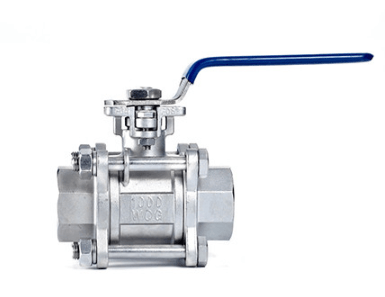
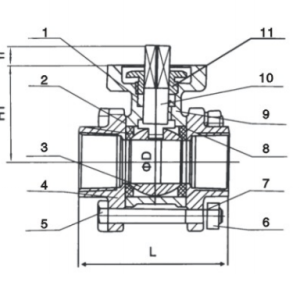
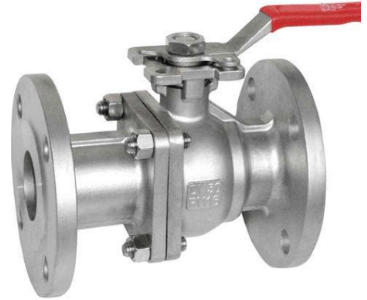
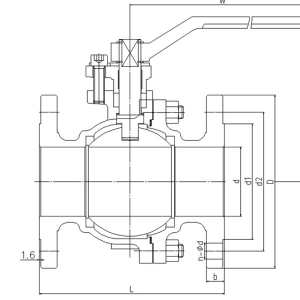
- Titanium Ball Valve: Quarter turn shut off with low pressure loss available in two piece, three piece and floating designs.
- Titanium Gate Valve: Straight through isolation for fully open or fully closed service.
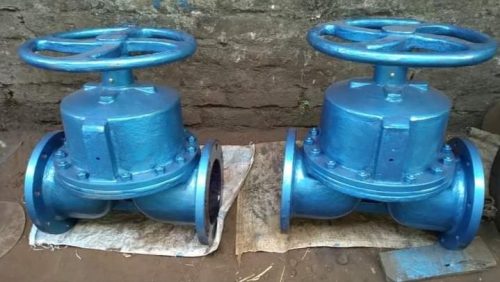
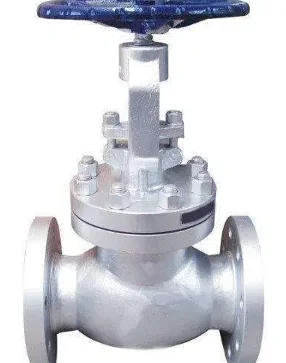
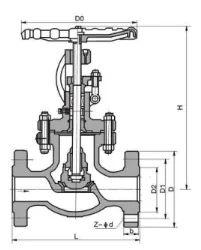
- Titanium Globe Valve: Suitable for flow regulation and frequent isolation in corrosive process lines.
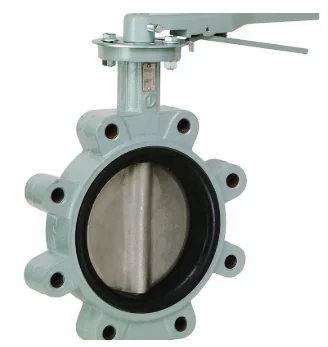
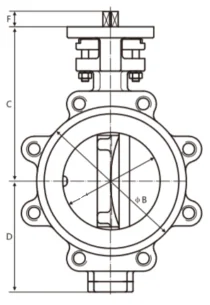
- Titanium Butterfly Valve: Compact quarter turn control for medium and large diameter pipelines.
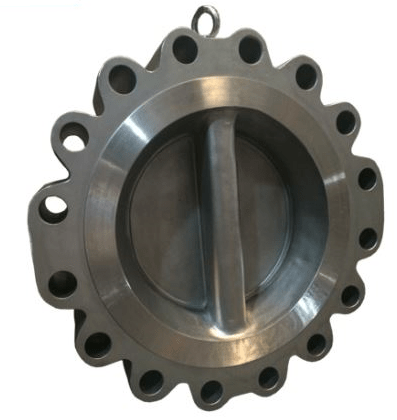
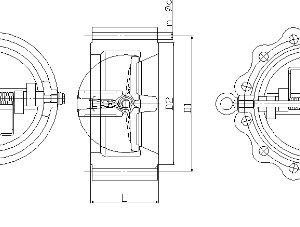
- Titanium Check Valve: Automatically prevents reverse flow in pump discharge and corrosive process systems.
Oxide Film Corrosion Protection:
Titanium develops a thin, adherent titanium oxide film when exposed to oxygen containing environments.
This passive film can reform rapidly after minor mechanical damage when sufficient oxygen or another suitable oxidizing species is present.
The oxide layer is responsible for much of titanium’s resistance to:
- Seawater corrosion
- Chloride pitting
- Many oxidizing acids
- Wet chlorine environments under appropriate conditions
However, passivity can be affected under strongly reducing, oxygen deficient or highly concentrated chemical conditions.
Crevices, deposits and stagnant zones should therefore be considered during valve and piping design.
Technical Specifications
| Parameter | Typical Specification |
| Valve Types | Ball, Gate, Globe, Butterfly, Check |
| Common Titanium Grades | Grade 2, Grade 5, Grade 7, Grade 12 |
| Size Range | DN15–DN600 depending on valve type |
| Pressure Rating | PN10–PN40 / ASME Class 150–300 in common configurations; higher ratings design-dependent |
| Body Construction | Cast, forged or fabricated according to valve type and grade |
| Trim | Titanium or compatible corrosion-resistant alloy |
| Seats | PTFE, RPTFE, PEEK or Metal depending on service |
| End Connections | Flanged, Butt Weld, Socket Weld, Threaded depending on valve |
| Operation | Manual, Gear Operated, Pneumatic or Electric |
| Testing | EN 12266-1 / API 598 where applicable |
| Design Standards | Valve-type-specific EN, ASME or API standards |
Media and Temperature Limitations
Titanium valve selection should consider more than a general material temperature rating.
Important variables include:
- Fluid composition
- Chloride concentration
- pH
- Reducing or oxidizing conditions
- Process temperature
- Pressure
- Fluid velocity
- Presence of deposits
- Crevice conditions
- Seat and gasket limitations
The metallic titanium component may tolerate a higher temperature than the selected polymer seat, gasket or packing.
For this reason, the allowable valve operating temperature must be established from the complete valve construction rather than from the raw titanium grade alone.
Desalination and Chemical Applications
Titanium valves are used where corrosion resistance can justify their higher material cost.
Typical applications include:
- Seawater intake systems
- Desalination plants
- Reverse osmosis support systems
- Brine handling
- Marine cooling-water systems
- Offshore installations
- Chlor alkali processing
- Chemical transfer systems
- Selected acid processing applications
- Coastal power plants
- High purity process systems
Titanium is particularly valuable where prolonged exposure to chloride-bearing fluids can reduce the service life of conventional stainless steel valve materials.

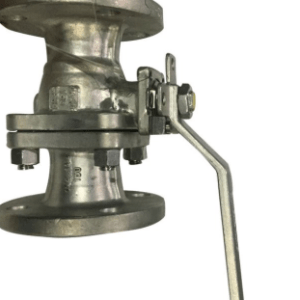
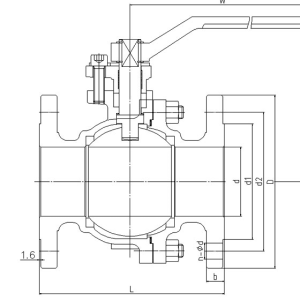
Titanium Floating Ball Valve
Price range: €443.00 through €4,594.00
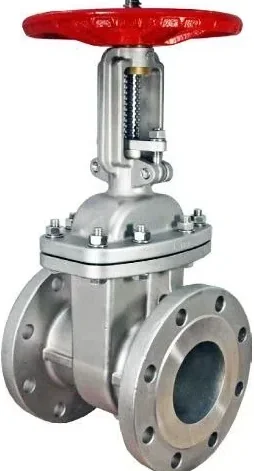
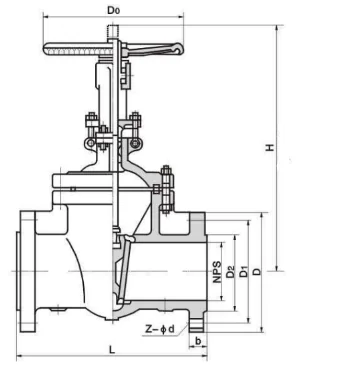
Titanium Gr.2 2pc Flanged Ball Valve
Price range: €1,186.00 through €1,861.00
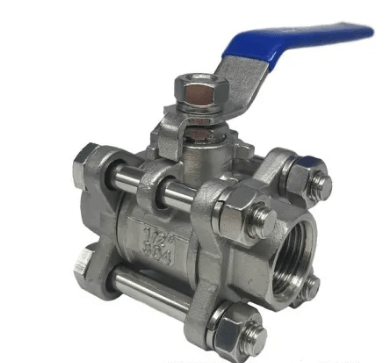
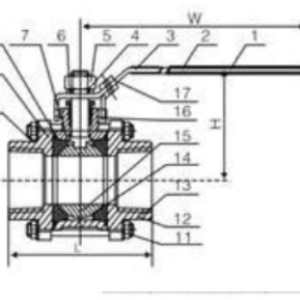
Titanium Gr.2 3pc Ball Valve
Price range: €1,604.00 through €2,151.00
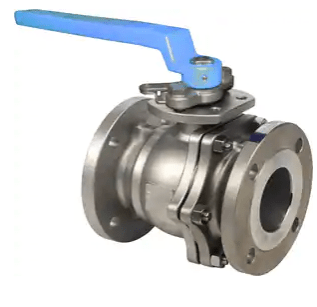
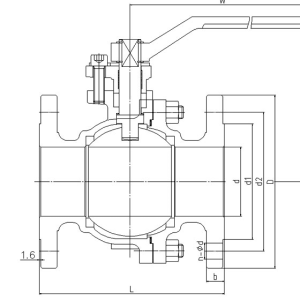
Titanium Gr.5 2pc Flanged Ball Valve
Price range: €1,434.00 through €3,234.00
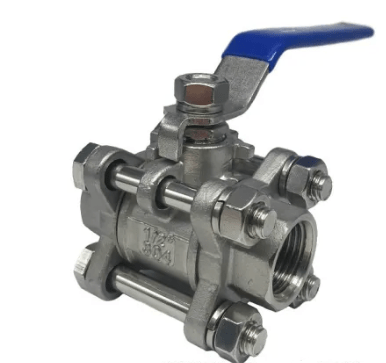
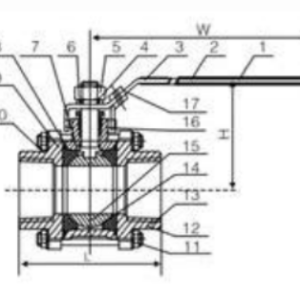
Titanium Gr.5 3pc Ball Valve
€1,534.00