
Electric Actuated Valve Manufacturer in Germany
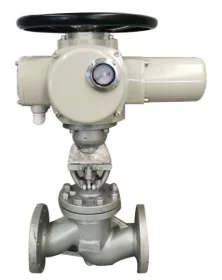
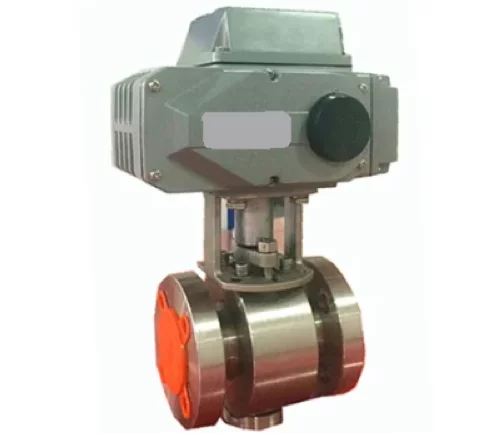
Electric actuated valves combine an industrial valve with a motor driven actuator to provide remote or automated flow isolation and regulation. Electrical input is converted into rotary, multi-turn or linear mechanical movement, allowing the valve to operate without continuous manual intervention or a compressed air supply.
Motor Operated Flow Control and Isolation:
- Quarter Turn: For ball, butterfly and plug valves.
- Multi Turn: Commonly used for gate valves.
- Linear Travel: Used for globe and other linear motion valves.
- Functions: Remote isolation, on/off operation, modulating control, sequencing, interlocking and shutdown.
- Integration: Connects with plant automation and control systems.
On Off and Modulating Operation:
Electric actuated valves can be configured for either discrete positioning or continuous process control.
On Off Operation
An on-off actuator moves the valve between defined open and closed positions.
This arrangement is suited to:
- Pipeline isolation
- Tank inlet/outlet control
- Utility switching
- Pump isolation
- Batch processes
Limit switches or electronic position sensing confirm when the valve reaches the required end position.
Modulating Operation
A modulating actuator positions the valve at intermediate points according to an analogue or digital control signal.
This allows the valve to regulate:
- Flow
- Pressure
- Temperature
- Process level
Electric Actuator Construction:
A typical industrial electric actuator can incorporate:
- Electric motor
- Reduction gearbox
- Output drive
- Torque sensing
- Position sensing
- Limit switches
- Local control station
- Manual override
- Terminal compartment
- Control electronics
- Position transmitter
- Heater or anti condensation arrangement
The reduction gear converts motor speed into the required valve output torque or thrust.
Torque or thrust limiting protects the valve and actuator when excessive resistance is encountered.
A manual handwheel or override arrangement enables operation during commissioning, maintenance or loss of electrical power where provided by the actuator design.
Valve and Actuator Matching:
Correct actuator selection requires more than matching the valve connection flange.
For rotary valves, the actuator must provide adequate torque for:
- Breakaway from the seat
- Movement during travel
- Differential pressure
- Final seating
- Unseating after long periods in one position
For gate and globe valves, selection is based on the required stem torque or linear thrust together with the number of stem turns and required travel.
Important matching parameters include:
- Valve size
- Differential pressure
- Stem dimensions
- Required torque or thrust
- Valve operating direction
- Required operating time
- Mounting interface
- Duty cycle
- Control mode
- Required safety factor
Actuator output should be selected from verified valve operating data rather than nominal valve diameter alone.
Torque, Duty Cycle and Operating Speed:
- Actuator torque determines whether a rotary valve can open and close under maximum differential pressure.
- The overall Electric Actuated Valve range can require output torque from relatively small values for compact ball valves to several thousand newton metres for large industrial valves.
- The current ValvesOnly Europe category lists actuator options up to 20,000 Nm, depending on the selected valve and actuator configuration.
- Duty cycle determines how frequently the actuator can operate without exceeding motor thermal limits.
Common service categories include:
- Infrequent on off duty
- Regular switching duty
- Modulating duty
- Continuous positioning duty
Technical Specifications:
| Parameter | Typical Specification |
| Valve Types | Ball, Butterfly, Gate, Globe, Plug, Knife Gate and selected control configurations |
| Size Range | DN15–DN2000 across the overall range |
| Pressure Rating | PN10–PN420 / ASME Class 150–2500 depending on valve design |
| Actuator Motion | Quarter Turn, Multi-Turn, Linear |
| Torque Range | Up to approximately 20,000 Nm depending on actuator model |
| Power Supply | 24 VDC, 110 VAC, 230 VAC, 400 VAC and selected three-phase supplies |
| Control | On-Off or Modulating |
| Control Signals | 4–20 mA, digital I/O and communication options depending on actuator |
| Position Feedback | Limit switches, analogue transmitter or digital position feedback |
| Ingress Protection | IP67 / IP68 configurations according to IEC 60529 where specified |
| End Connections | Flanged, Butt Weld, Socket Weld, Threaded according to valve |
| Valve Testing | EN 12266-1 / API 598 or valve-specific standard |
| Actuator Requirements | EN 15714-2 and IEC 60529 where applicable |
| Hazardous Area | ATEX / IECEx actuator options only where the selected actuator carries the required certification |
Control Signals and Feedback Accessories:
Electric actuators can interface with local panels, PLCs, DCS or SCADA systems.
Available control and feedback functions can include:
- Open/close commands
- 4–20 mA positioning signal
- Open position indication
- Closed position indication
- Intermediate position feedback
- Torque alarm
- Motor overload indication
- Local/remote selector
- Emergency shutdown input
- Modbus
- Profibus
- Other supported digital communication protocols
The exact communication system depends on the actuator electronics selected for the project.
Accessories can include:
- Local control station
- Position transmitter
- Additional limit switches
- Space heater
- Remote display
- Communication module
- Separate control panel
Ingress Protection and Fail Position Requirements:
- Electric actuators used outdoors or in industrial plants require suitable protection against dust, moisture and environmental exposure.
- IP ratings are defined according to IEC 60529. IP67 or IP68 enclosures can be selected where the actuator design and installation conditions require higher ingress protection.
- For hazardous areas, the selected actuator must carry the appropriate explosion-protection certification for the required gas or dust zone. ATEX or IECEx capability should therefore be specified at actuator-model level rather than treated as universal across the complete product range.
Custom Configurations:
Electric actuated valves, made according to project specifications, are supplied by Valvesonly Europe. These specifications include individual face to face dimensions, special trim and body material, long bonnet design for cryogenic/high temperature lines, gearing type bypass designs, as well as compatibility with the current SCADA/DCS control system design. Technical information, dimension drawings and actuator wiring diagrams can be provided upon request.
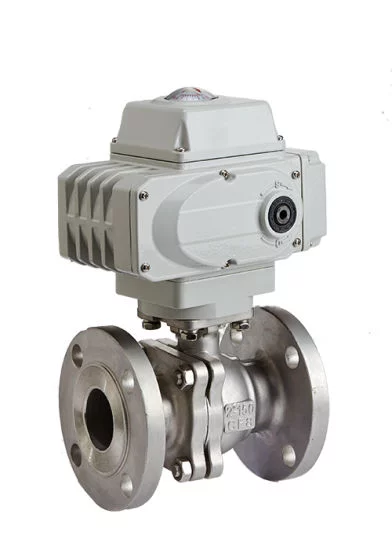
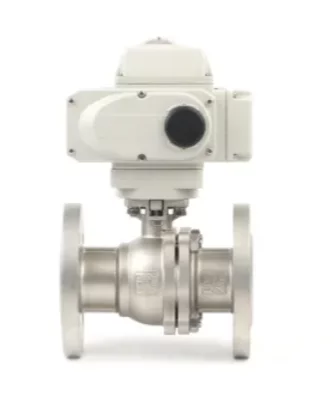
Electric Actuated 2 Piece Flanged Ball Valve
Price range: €159.20 through €2,402.94
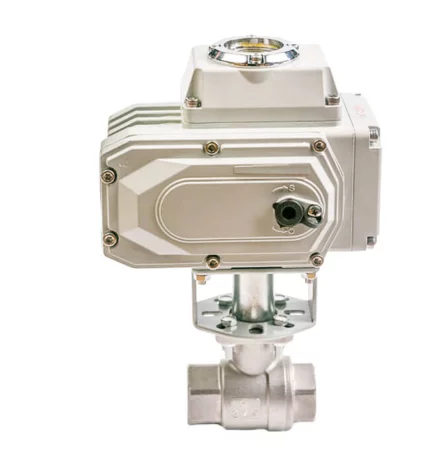
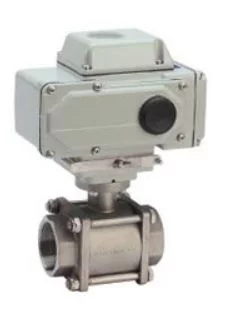
Electric Actuated 2 Piece Screwed Ball Valve
Price range: €112.29 through €525.11

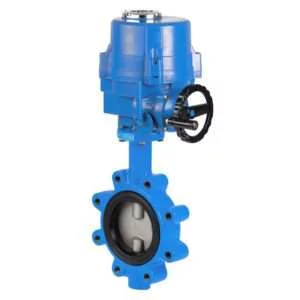
Electric Actuated Lug Butterfly Valve
Price range: €115.20 through €743.00
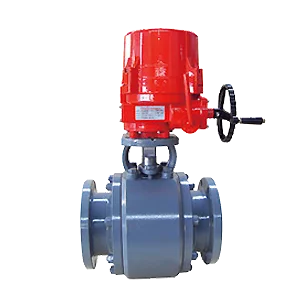
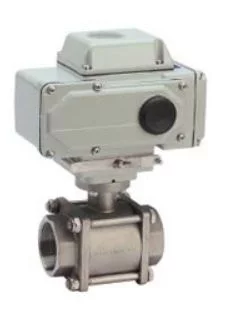
Electric Actuated Three Piece Ball Valve
Price range: €130.00 through €1,498.00